
If you’ve ever downloaded a free guide, checklist, or e-book from a business, you’ve experienced a digital product used as a lead magnet. A digital product is any non-physical resource like templates, courses, or toolkits, that can be created once and shared endlessly online.
In marketing, a digital product can be used as a lead magnet and offered to potential customers to turn them into leads. By giving away something valuable, you draw people to your business, build trust, and position yourself as an authority in your field.
In this article, we’ll cover proven strategies, tools, and examples to help you create digital products that generate leads and grow your audience.
Why Digital Products Work for Lead Generation
If you're wondering how to create a digital product, here's a guide on how to turn your own skills into a digital product.
Digital products work great for lead generation because they help to build trust with the audience. When you give them something that’s helpful for free, they are bound to always come back for more, especially if your resources were beneficial to them.
Types of Digital Products for Lead Generation
Here are digital products that you can use for lead generation:
Ebooks and Guides
Ebooks and guides give your audience an in-depth look at topics they care about while building your credibility. For example, a cookbook of easy recipes for single men delivers practical value while positioning you as an authority.
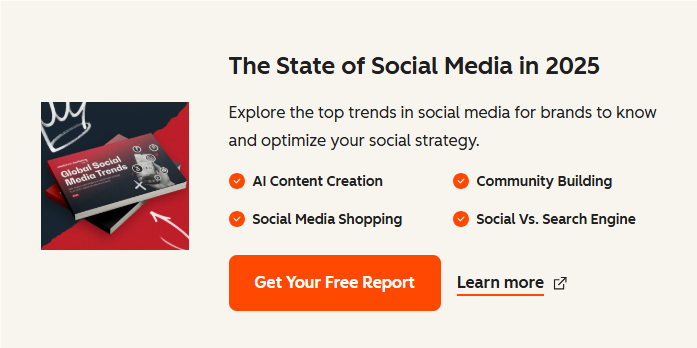
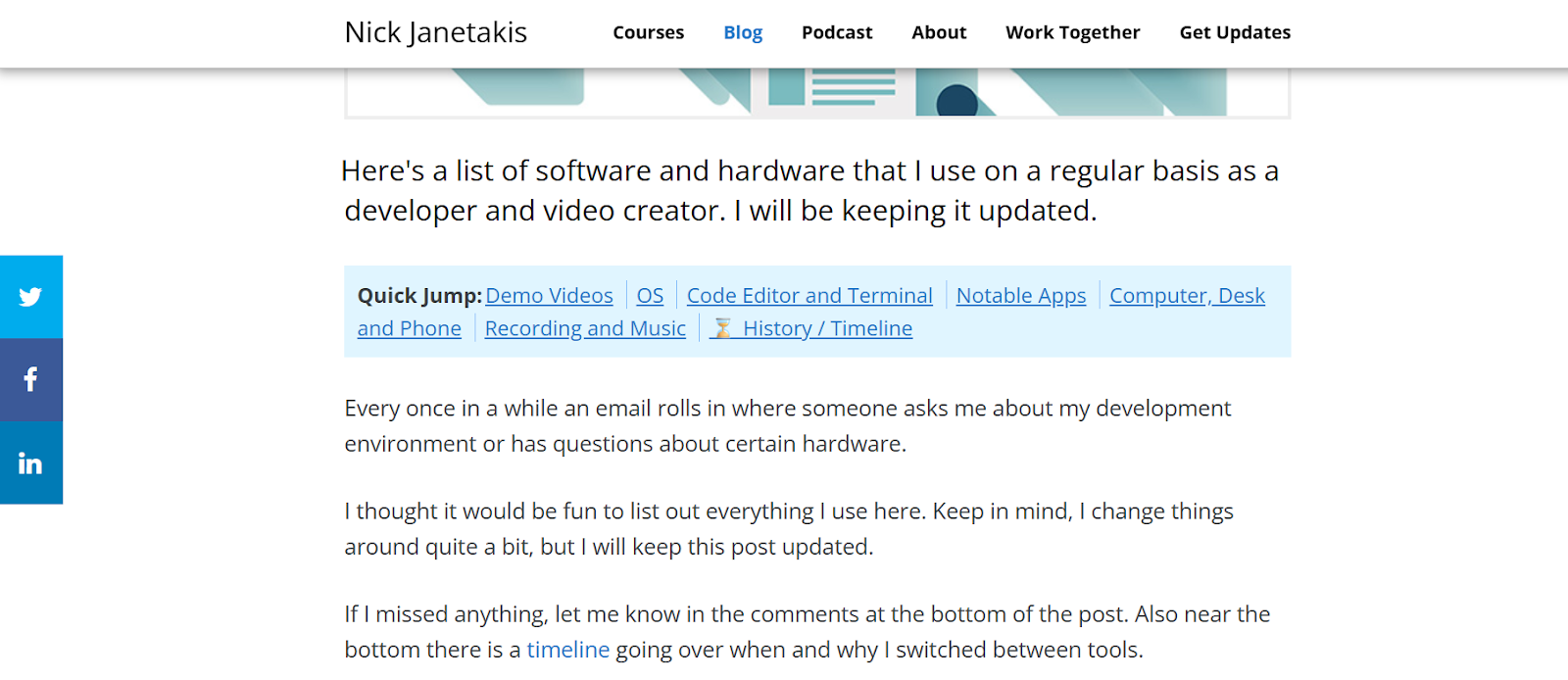
Brands like Hubspot use Ebooks as a lead magnet to capture email addresses, build its subscriber base, and nurture potential customers as they move through the sales funnel.
Checklists, Templates, and Toolkits
These are practical tools potential customers can use immediately. They tend to convert well because they offer immediate value and convert well .For example, a design template for graphic designers offers instant utility.
Shopify offers a free Business Plan Template to help new entrepreneurs get started. The value is clear: solve a common problem and, in return, they capture leads through sign-ups.

Webinars and Virtual Events
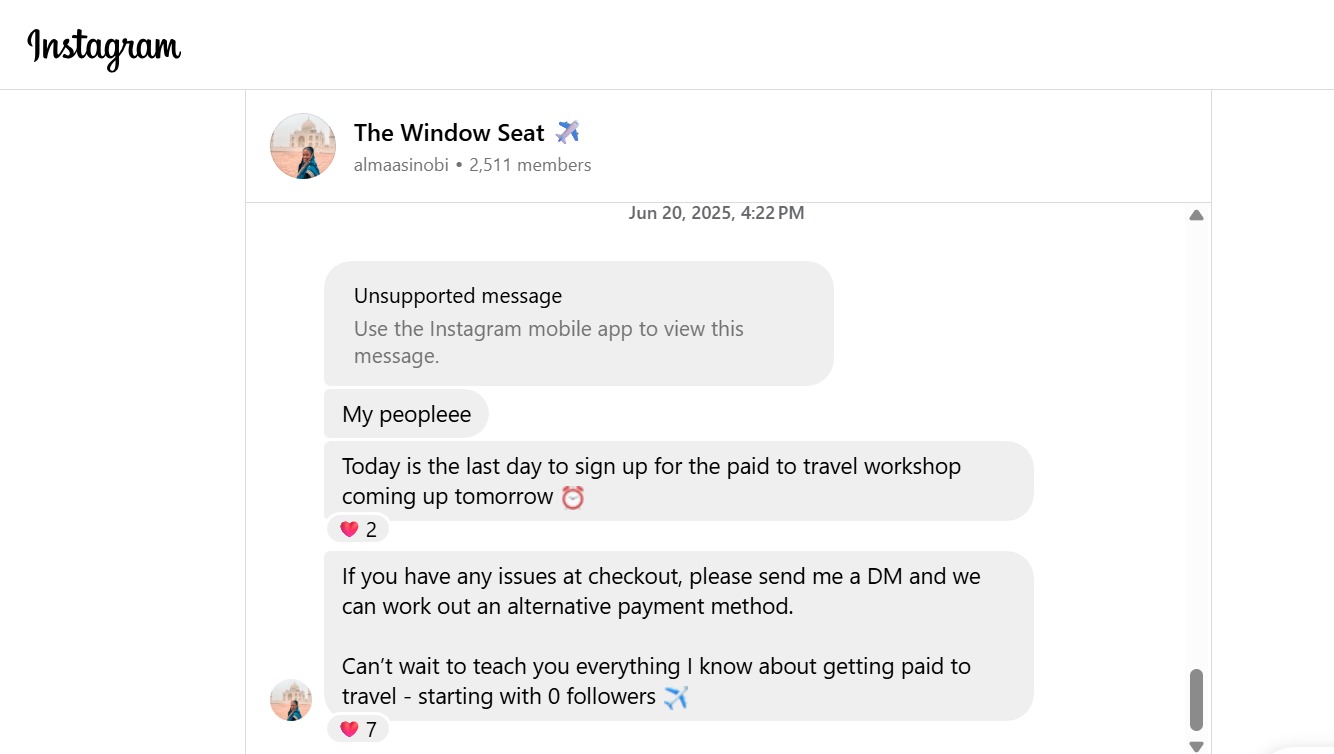
These are live or recorded sessions you can hold to share your knowledge on what you know. By doing this, you are setting yourself as an expert in your field and signaling to your potential customers you have more knowledge to share.
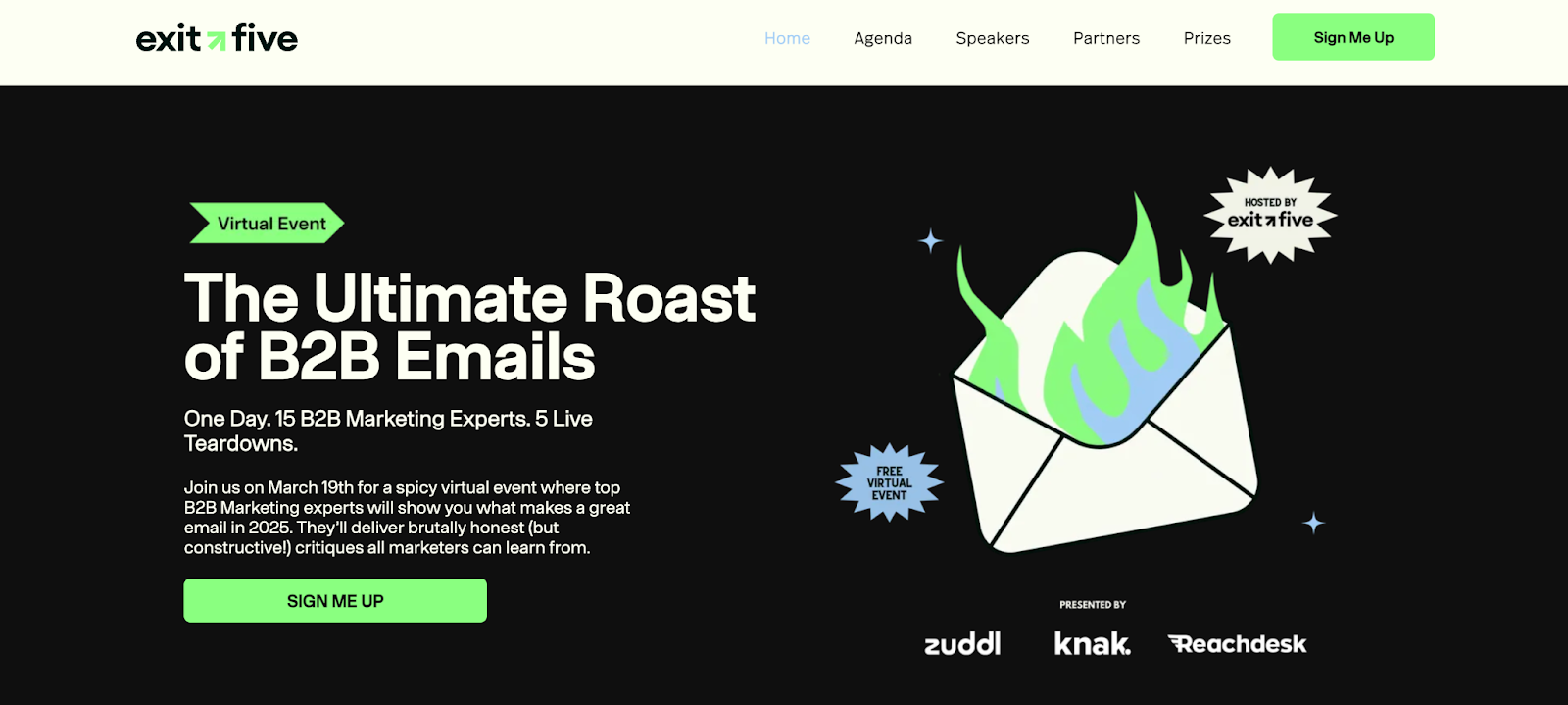
Exit Five, for example, uses virtual events as lead magnets for potential customers. They deliver clear value and use urgency to encourage sign-ups. This results in more leads captured and stronger authority with their audience.
Mini-Courses
Short courses delivered via email or video help people solve a problem in several steps.
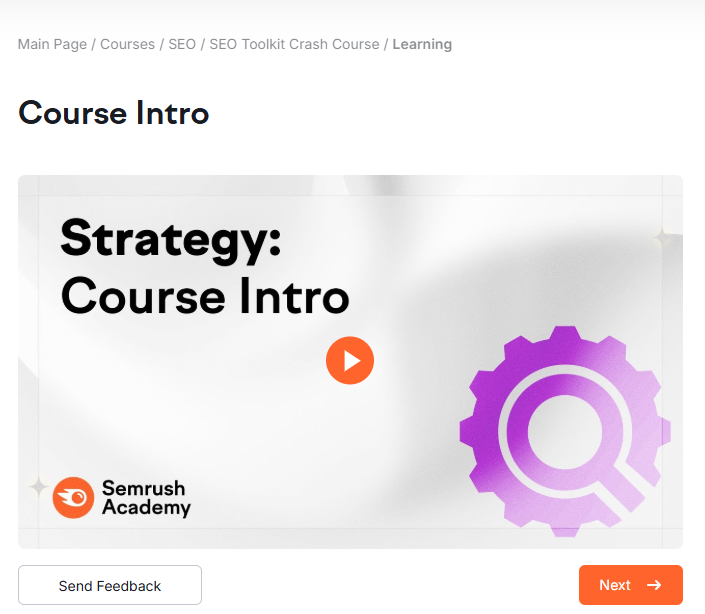
Semrush offers free mini-courses like its SEO Toolkit Crash Course to attract and educate marketers. These short lessons provide quick wins, build trust, and introduce users to Semrush’s tools, which makes them an effective lead magnet
Free Trials or Samples
If you have a software product, a trial gives people direct experience. If you don’t, sample lessons (for courses) or partial templates work.
Also note that each type of digital product serves different parts of the lead generation funnel. For example, checklists or templates are great for bringing awareness while webinars or mini courses are stronger for consideration and nurturing.
Step-by-Step Method: How to Create Your Digital Product for Lead Generation
Take these following steps in creating your digital product for lead generation
Step 1: Identify Your Audience and Their Pain Points
The first step to creating a digital product is defining your target audience. Ask yourself: Who are they? What do they need? What problems are they finding difficult and how can you help them to solve those problems?
In order to execute this, you need to research your audience to find out what it is they are looking for. To make your work more efficient, there are a number of tools you can use to research on your target audience and their problems:
Google Analytics: This is a free tool that offers more insights into ongoing trends and searches based on website traffic, user behaviour and demographics
AnswerThePublic: This tool helps you to find out questions people often ask concerning a topic. This can be used when looking for content ideas to create to draw your target audience to your product.
BuzzSumo: BuzzSumo's research and analysis tool offers advanced content insights, trending topic identification, social mention monitoring, and content engagement measurement.
After identifying those problems, research their challenges and needs. For example: If your audience are beginners in graphic design, their pain point would probably be trying to understand the ”Basics of Graphic Design”
Step 2: Choose the Right Digital Product Type
Next, match the product type to each stage in your customer’s journey:
- Awareness stage → Simple resources (checklists, infographics)
- Interest stage → quick guides(how-to’s)
- Consideration stage → In-depth resources (ebooks, webinars, case studies)
- Decision stage → Hands-on value (free trials, mini-courses, templates)
Step 3: Define the Core Value Proposition
Define what value your product has to offer to your audience. By now, you understand your audience and their painpoint. Next step is defining how you want your product to stand out. Answer the question: “What problem does this solve?” Keep it specific and actionable so it’s not too broad or vague to confuse your audience. An example would be naming your design guide” Principles of Graphic design” instead of “A Beginner’s Guide to Graphic design”
Step 4: Create and Design the Product
Once your value prop is defined, the next step is to create a copy for the digital product. Start with an outline to understand what you’re writing. Ensure the copy written is helpful, insightful and easy to understand.
Remember to use a compelling title and a clear call-to-action (CTA). Make titles benefit-driven (e.g., “The Ultimate Checklist to Double Your Leads in 30 Days”) and a strong CTA on landing page and promotions (e.g., “Get Instant Access,” “Download Free Today”)
Once the writing is complete, design around the copy. Keep content visually appealing, since strong design helps convert customers. Use tools like Canva, Figma, or Google Docs to create polished assets.
Step 5: Place and Promote Your Digital Product
Once your digital product is complete, the next step is promoting what you have. From your research, you should have an idea of where your audience hangs out and how to reach them.
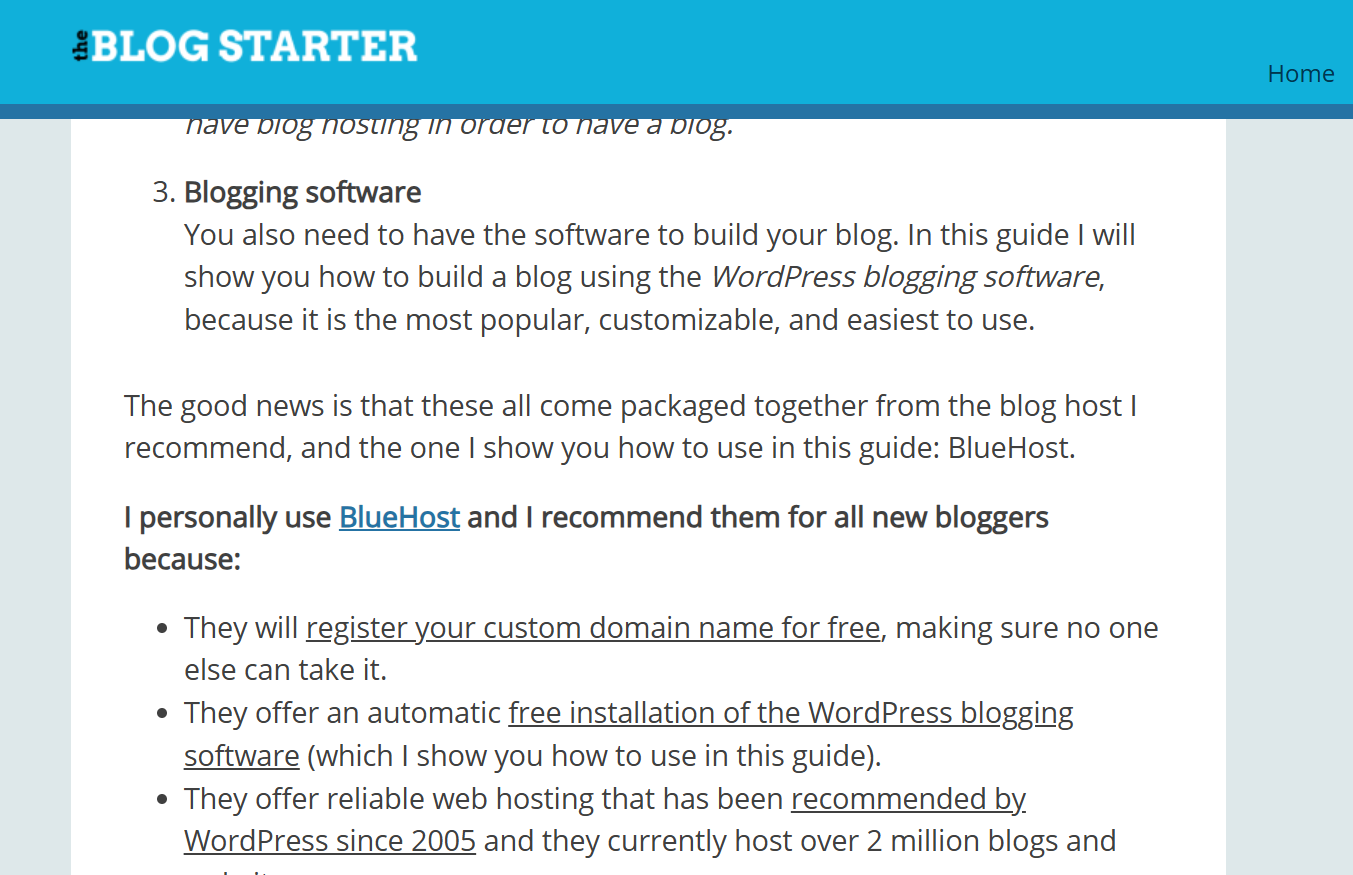
Like Hubspot, you could place the digital product on your blog page or Homepage to collect emails from leads organically. Or you could also run paid ads on social media to drive more attention and reach a bigger audience.

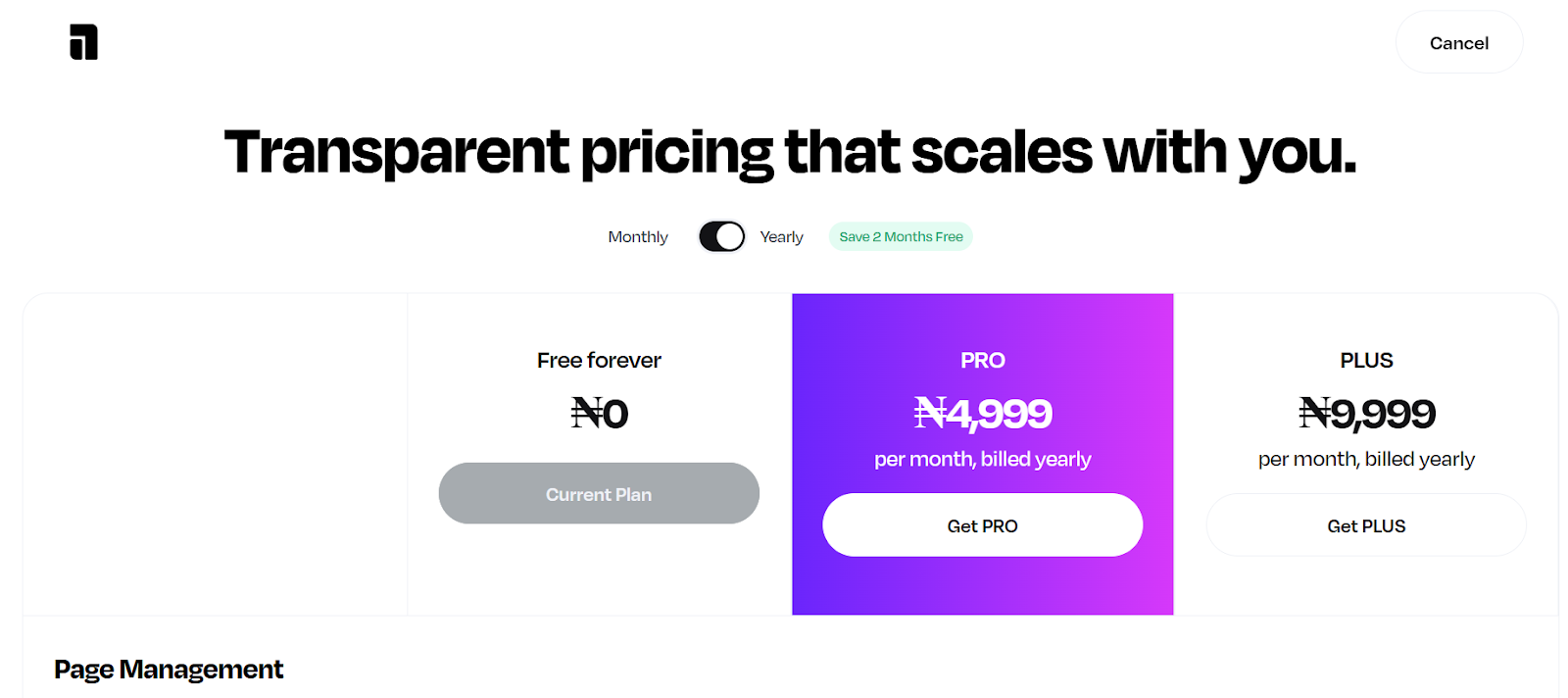
To place and store your products digitally, you can make use of all-in-one tools such as Mainstack. It allows its users to create storefronts to sell digital products to their customers, a link-in-bio feature that allows intrigued customers to find all links in one place and an email marketing tool to automate delivery to clients who request for their products.
Step 6: Nurture and Convert Leads
Attracting a new lead is just the beginning of the relationship. To turn that interest into revenue, you need to nurture and guide prospects toward a purchase. The most effective way to do this is through automated follow-up email sequences.
For example, if someone downloads a Social media growth guide, they should receive a tailored series of emails with tips, case studies, and free insights on social media growth before being introduced to a paid service or course.
Use lead nurturing emails to share testimonials, educate prospects or announce new products or features. Here's an example of an educational lead nurturing email from Busuu.

Best Practices for Quality Lead Generation
Creating your digital product is one part of the equation, but you also need to ensure they drive high-quality leads and that requires a strategy. Here are some proven best practices:
- Optimize landing pages: Keep them clean, with one clear call-to-action (CTA), compelling copy, and minimal form listings to avoid chasing your potential customers.
- Segment and tag your leads properly: Use your email platform to tag your leads based on what they opted in for (e.g., “downloaded guide,” “signed up for webinar”). This allows for more relevant follow-up campaigns.
- Automate nurturing: Use email sequences to educate, engage, and warm up leads before introducing a paid product. Consistency is what builds trust.
- Track key metrics: Monitor opt-in rates, conversion rates, and engagement. If leads are downloading but not engaging, revisit your product value or follow-up sequence.
Common Mistakes to Avoid
Even with the best intentions, creators often stumble when building lead generation funnels. To stay on the right track, you need to avoid:
- Offering low-value freebies that don’t solve a real problem
- Asking for too much information on the signup form too early
- Confusing offers with the audience’s actual pain points
- Creating vague, generic, or unfocused digital products
- Using overly long or complicated forms
- Skipping essential follow-up sequences after the opt-in
To get results, identify your target audience, match them with the right product, design it well, promote it, and follow up consistently. This is how you attract quality leads. You need to also remember to be patient with the process, not everyone will convert immediately and that’s okay. By staying consistent and providing real value, you build trust, and your audience becomes far more likely to invest in your premium products. Follow this guide to know how to price your digital products.
If you’ve ever downloaded a free guide, checklist, or e-book from a business, you’ve experienced a digital product used as a lead magnet. A digital product is any non-physical resource like templates, courses, or toolkits, that can be created once and shared endlessly online.
In marketing, a digital product can be used as a lead magnet and offered to potential customers to turn them into leads. By giving away something valuable, you draw people to your business, build trust, and position yourself as an authority in your field.
In this article, we’ll cover proven strategies, tools, and examples to help you create digital products that generate leads and grow your audience.
Why Digital Products Work for Lead Generation
If you're wondering how to create a digital product, here's a guide on how to turn your own skills into a digital product.
Digital products work great for lead generation because they help to build trust with the audience. When you give them something that’s helpful for free, they are bound to always come back for more, especially if your resources were beneficial to them.
Types of Digital Products for Lead Generation
Here are digital products that you can use for lead generation:
Ebooks and Guides
Ebooks and guides give your audience an in-depth look at topics they care about while building your credibility. For example, a cookbook of easy recipes for single men delivers practical value while positioning you as an authority.
Brands like Hubspot use Ebooks as a lead magnet to capture email addresses, build its subscriber base, and nurture potential customers as they move through the sales funnel.
Checklists, Templates, and Toolkits
These are practical tools potential customers can use immediately. They tend to convert well because they offer immediate value and convert well .For example, a design template for graphic designers offers instant utility.
Shopify offers a free Business Plan Template to help new entrepreneurs get started. The value is clear: solve a common problem and, in return, they capture leads through sign-ups.
Webinars and Virtual Events
These are live or recorded sessions you can hold to share your knowledge on what you know. By doing this, you are setting yourself as an expert in your field and signaling to your potential customers you have more knowledge to share.
Exit Five, for example, uses virtual events as lead magnets for potential customers. They deliver clear value and use urgency to encourage sign-ups. This results in more leads captured and stronger authority with their audience.
Mini-Courses
Short courses delivered via email or video help people solve a problem in several steps.
Semrush offers free mini-courses like its SEO Toolkit Crash Course to attract and educate marketers. These short lessons provide quick wins, build trust, and introduce users to Semrush’s tools, which makes them an effective lead magnet
Free Trials or Samples
If you have a software product, a trial gives people direct experience. If you don’t, sample lessons (for courses) or partial templates work.
Also note that each type of digital product serves different parts of the lead generation funnel. For example, checklists or templates are great for bringing awareness while webinars or mini courses are stronger for consideration and nurturing.
Step-by-Step Method: How to Create Your Digital Product for Lead Generation
Take these following steps in creating your digital product for lead generation
Step 1: Identify Your Audience and Their Pain Points
The first step to creating a digital product is defining your target audience. Ask yourself: Who are they? What do they need? What problems are they finding difficult and how can you help them to solve those problems?
In order to execute this, you need to research your audience to find out what it is they are looking for. To make your work more efficient, there are a number of tools you can use to research on your target audience and their problems:
Google Analytics: This is a free tool that offers more insights into ongoing trends and searches based on website traffic, user behaviour and demographics
AnswerThePublic: This tool helps you to find out questions people often ask concerning a topic. This can be used when looking for content ideas to create to draw your target audience to your product.
BuzzSumo: BuzzSumo's research and analysis tool offers advanced content insights, trending topic identification, social mention monitoring, and content engagement measurement.
After identifying those problems, research their challenges and needs. For example: If your audience are beginners in graphic design, their pain point would probably be trying to understand the ”Basics of Graphic Design”
Step 2: Choose the Right Digital Product Type
Next, match the product type to each stage in your customer’s journey:
- Awareness stage → Simple resources (checklists, infographics)
- Interest stage → quick guides(how-to’s)
- Consideration stage → In-depth resources (ebooks, webinars, case studies)
- Decision stage → Hands-on value (free trials, mini-courses, templates)
Step 3: Define the Core Value Proposition
Define what value your product has to offer to your audience. By now, you understand your audience and their painpoint. Next step is defining how you want your product to stand out. Answer the question: “What problem does this solve?” Keep it specific and actionable so it’s not too broad or vague to confuse your audience. An example would be naming your design guide” Principles of Graphic design” instead of “A Beginner’s Guide to Graphic design”
Step 4: Create and Design the Product
Once your value prop is defined, the next step is to create a copy for the digital product. Start with an outline to understand what you’re writing. Ensure the copy written is helpful, insightful and easy to understand.
Remember to use a compelling title and a clear call-to-action (CTA). Make titles benefit-driven (e.g., “The Ultimate Checklist to Double Your Leads in 30 Days”) and a strong CTA on landing page and promotions (e.g., “Get Instant Access,” “Download Free Today”)
Once the writing is complete, design around the copy. Keep content visually appealing, since strong design helps convert customers. Use tools like Canva, Figma, or Google Docs to create polished assets.
Step 5: Place and Promote Your Digital Product
Once your digital product is complete, the next step is promoting what you have. From your research, you should have an idea of where your audience hangs out and how to reach them.
Like Hubspot, you could place the digital product on your blog page or Homepage to collect emails from leads organically. Or you could also run paid ads on social media to drive more attention and reach a bigger audience.
To place and store your products digitally, you can make use of all-in-one tools such as Mainstack. It allows its users to create storefronts to sell digital products to their customers, a link-in-bio feature that allows intrigued customers to find all links in one place and an email marketing tool to automate delivery to clients who request for their products.
Step 6: Nurture and Convert Leads
Attracting a new lead is just the beginning of the relationship. To turn that interest into revenue, you need to nurture and guide prospects toward a purchase. The most effective way to do this is through automated follow-up email sequences.
For example, if someone downloads a Social media growth guide, they should receive a tailored series of emails with tips, case studies, and free insights on social media growth before being introduced to a paid service or course.
Use lead nurturing emails to share testimonials, educate prospects or announce new products or features. Here's an example of an educational lead nurturing email from Busuu.
Best Practices for Quality Lead Generation
Creating your digital product is one part of the equation, but you also need to ensure they drive high-quality leads and that requires a strategy. Here are some proven best practices:
- Optimize landing pages: Keep them clean, with one clear call-to-action (CTA), compelling copy, and minimal form listings to avoid chasing your potential customers.
- Segment and tag your leads properly: Use your email platform to tag your leads based on what they opted in for (e.g., “downloaded guide,” “signed up for webinar”). This allows for more relevant follow-up campaigns.
- Automate nurturing: Use email sequences to educate, engage, and warm up leads before introducing a paid product. Consistency is what builds trust.
- Track key metrics: Monitor opt-in rates, conversion rates, and engagement. If leads are downloading but not engaging, revisit your product value or follow-up sequence.
Common Mistakes to Avoid
Even with the best intentions, creators often stumble when building lead generation funnels. To stay on the right track, you need to avoid:
- Offering low-value freebies that don’t solve a real problem
- Asking for too much information on the signup form too early
- Confusing offers with the audience’s actual pain points
- Creating vague, generic, or unfocused digital products
- Using overly long or complicated forms
- Skipping essential follow-up sequences after the opt-in
To get results, identify your target audience, match them with the right product, design it well, promote it, and follow up consistently. This is how you attract quality leads. You need to also remember to be patient with the process, not everyone will convert immediately and that’s okay. By staying consistent and providing real value, you build trust, and your audience becomes far more likely to invest in your premium products. Follow this guide to know how to price your digital products.









.png)