As more businesses find ways to thrive in a crowded market, the best digital marketing tools in 2025 provide smarter, faster, and more efficient methods to reach customers.
What began as manual tracking and guesswork has now evolved into powerful systems that streamline every stage of marketing. This evolution enables startups and established brands to compete and grow in meaningful ways.
This guide will give a complete, step-by-step plan and downloadable checklist to help you choose the right tools, set up effective strategies, and track your progress with ease.
What Are Digital Marketing Tools?
Digital marketing tools are online platforms, apps, or software that help businesses plan, manage, and measure their marketing strategies across channels like social media, email, SEO, content, and advertising to boost engagement, generate leads, and increase sales.
Why Use Digital Marketing Tools?
Digital marketing tools make life easier by automating repetitive tasks such as post scheduling, email distribution, and campaign tracking. Instead of getting overwhelmed with manual tasks, you have more time to focus on the creative aspects of growing your business.
They also provide real-time feedback on what works and what doesn't. With clear data on customer behavior and campaign performance, it's much easier to make better decisions that are impactful to your business.
With how fast the business world is moving, the right tools can help your brand stand out. Whether it's personalizing your messages or reaching the right audience faster, they give you an advantage over businesses that still rely on traditional methods.
And the best part? They’re often far more affordable than traditional marketing. Small businesses can now benefit from effective tools without breaking the bank, making online growth more accessible than ever. Traditional marketing, on the other hand, usually involves methods like print ads, billboards, TV, or radio spots, all of which are costly and difficult to track.
For example, a small bakery wanting to advertise through a newspaper ad might spend hundreds of dollars for just a single placement, with no clear way to measure how many people actually came in because of it. With digital marketing tools, that same bakery could run targeted social media ads for a fraction of the price, track clicks and conversions in real time, and adjust the campaign instantly to get better results.
Best Digital Marketing Tools by Category
With many options available, the right tool depends on your marketing goals. Here’s a list of top digital marketing tools by category to help you find what fits your business.
All-in-One Tools for Creators
For creators who want everything in one place, all-in-one tools make it easier to manage content, grow an audience, and track performance without juggling multiple platforms.
1. Mainstack for all-in-one storefront and landing page
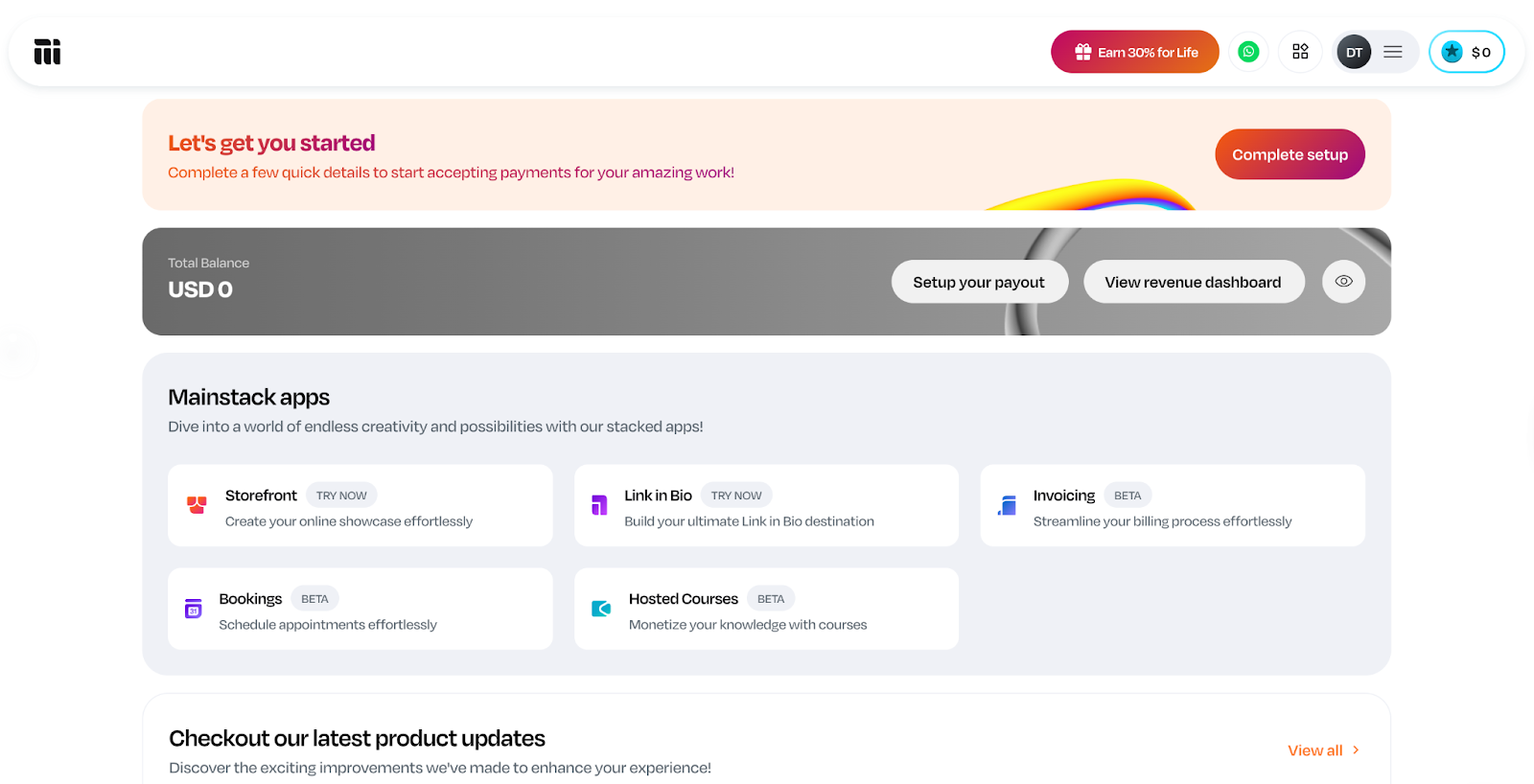
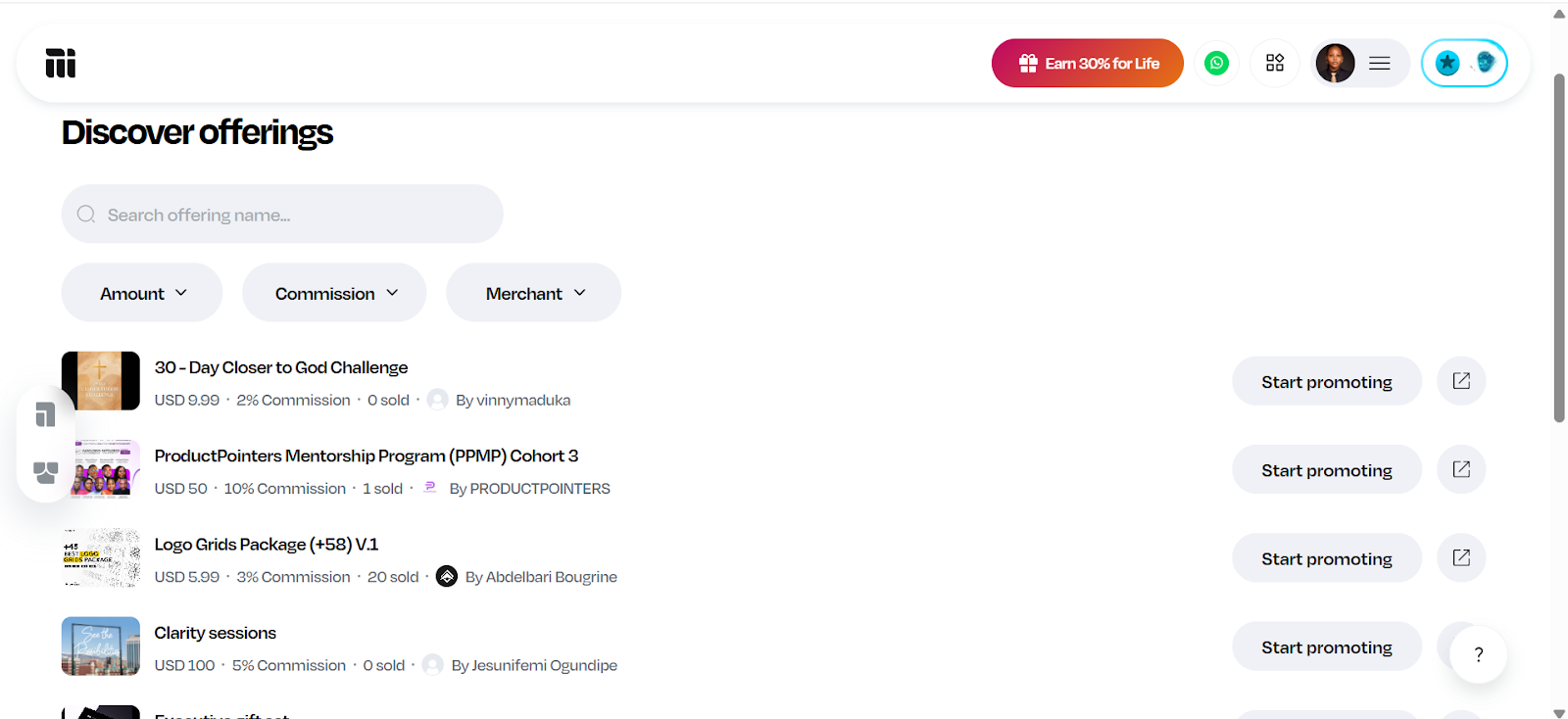
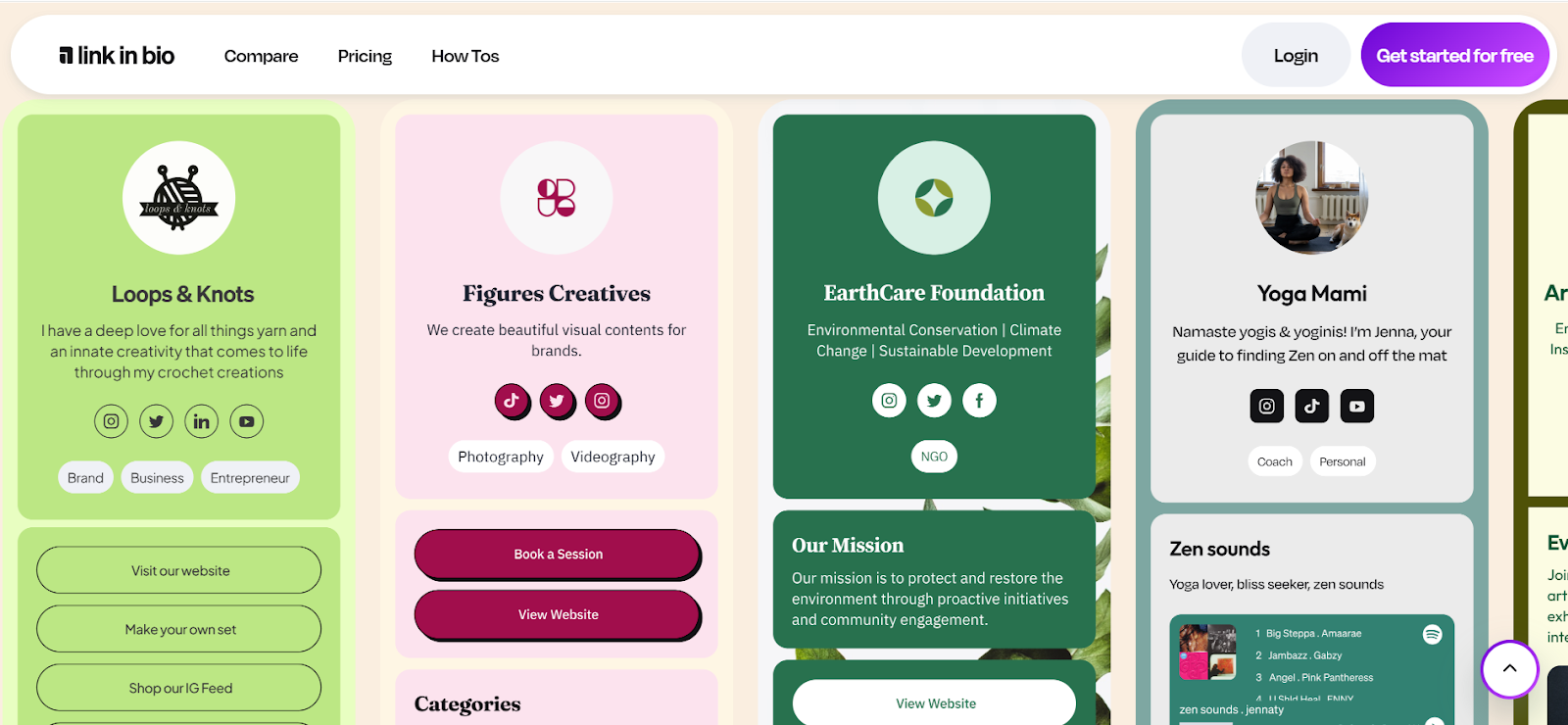
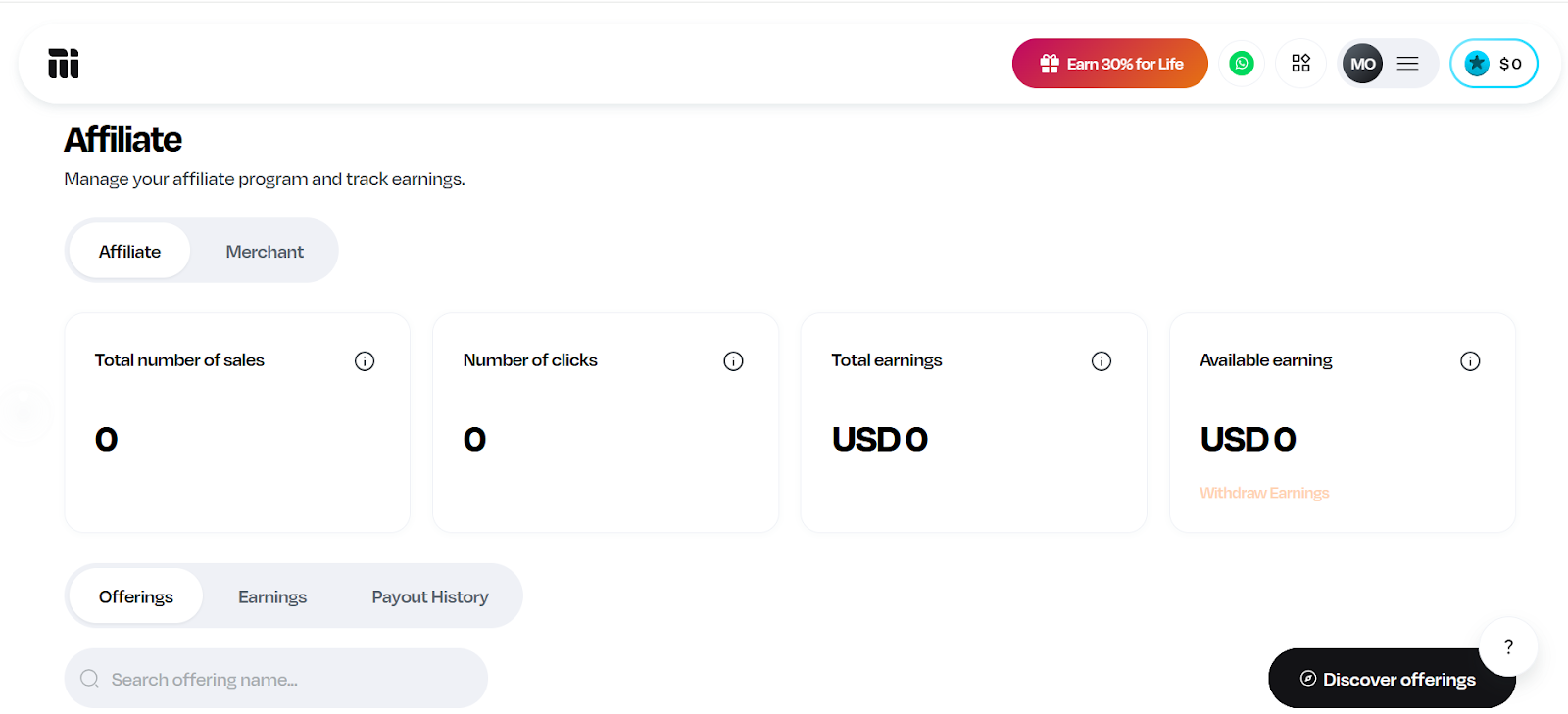
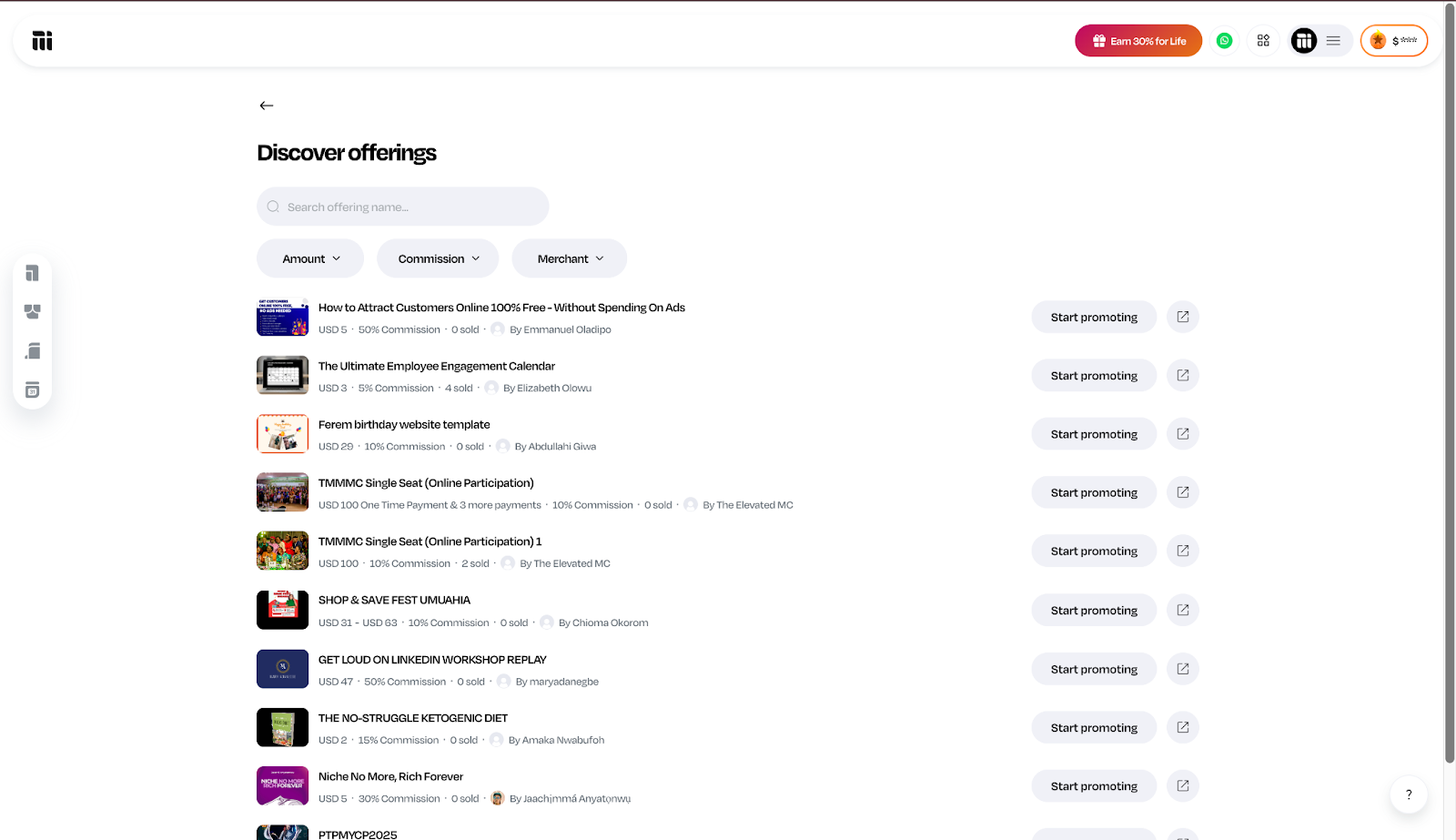
Mainstack is an all-in-one platform for creators, entrepreneurs, and small businesses to build landing pages, showcase products, and sell directly to their audience. It enables you to transform your online presence into a monetizable hub without the need for multiple tools, making it ideal for anyone who wants to manage everything in one place.
Some of its standout features include customizable landing pages, a built-in storefront for both digital and physical products, and an analytics dashboard that tracks audience engagement. It also comes with payment integrations for seamless sales and a simple link-in-bio option that works perfectly across social platforms.
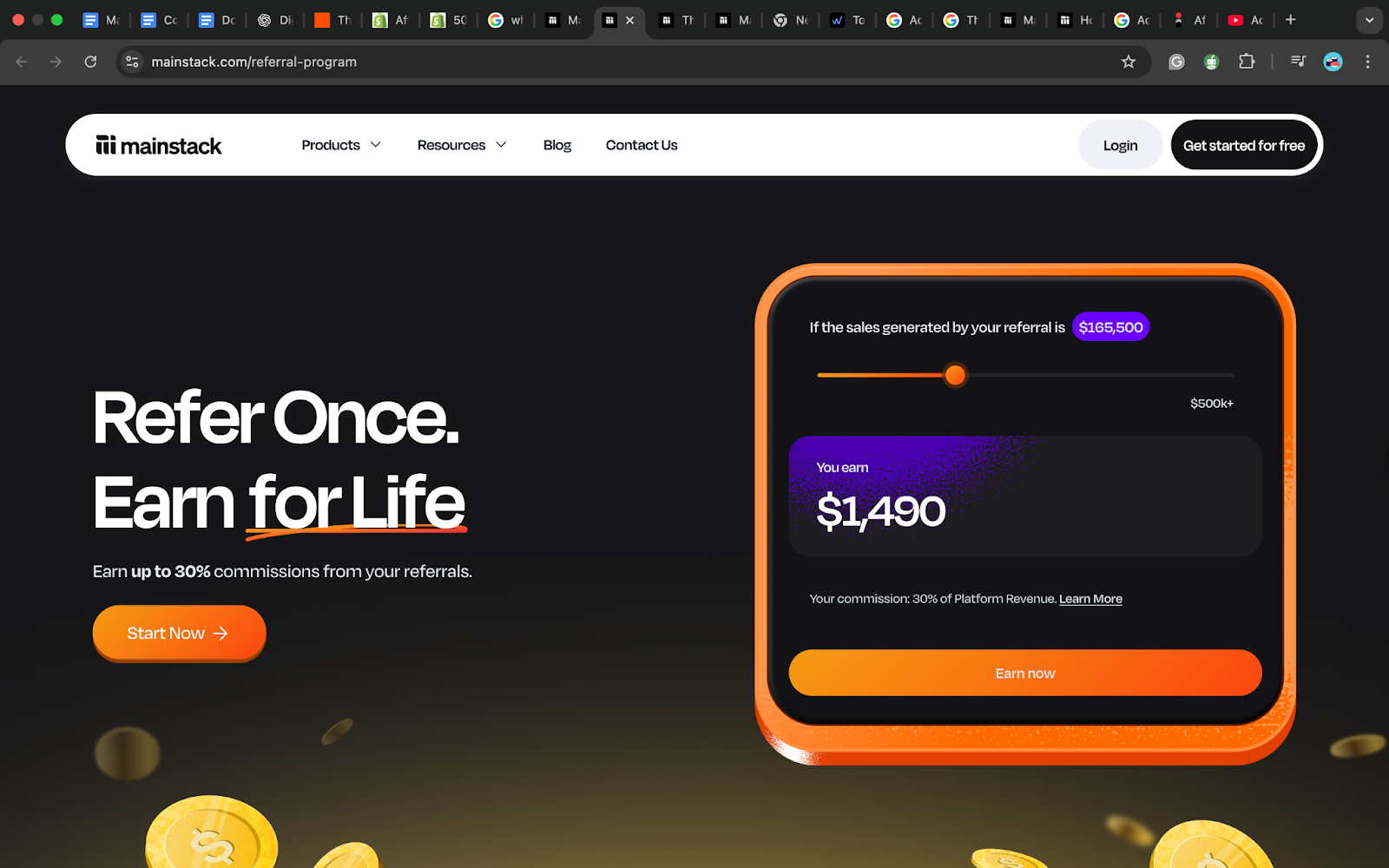
Mainstack offers a free plan with core features, making it accessible to beginners. The platform supports flexible payment options, including one-time fees, subscriptions, pay-what-you-want models, and even crypto payments in over 135 currencies. The icing of the cake is that Mainstack doesn’t charge monthly fees. It only collects a small 3% platform fee when you earn, so you keep more of your revenue.
The Best SEO & Content Marketing Tools
SEO and content marketing tools help businesses attract the right audience and rank higher on search engines. They simplify keyword research, on-page optimization, and content planning to improve results.
2. Ahrefs for keyword research
Ahrefs is a leading SEO platform for keyword research, backlink analysis, and competitor insights. Its free tools let you generate up to 150 keyword ideas, check difficulty, and track rankings. This makes it ideal for small businesses or individuals starting out.
Ahrefs is known for its accurate data and keyword precision, which gives marketers better keywords to target. The downside, however, is that you need a paid plan to unlock advanced features like detailed backlink reports or larger keyword volumes, which can be pricey.
Regardless, the upgrade unlocks one of the most powerful SEO suites on the market.
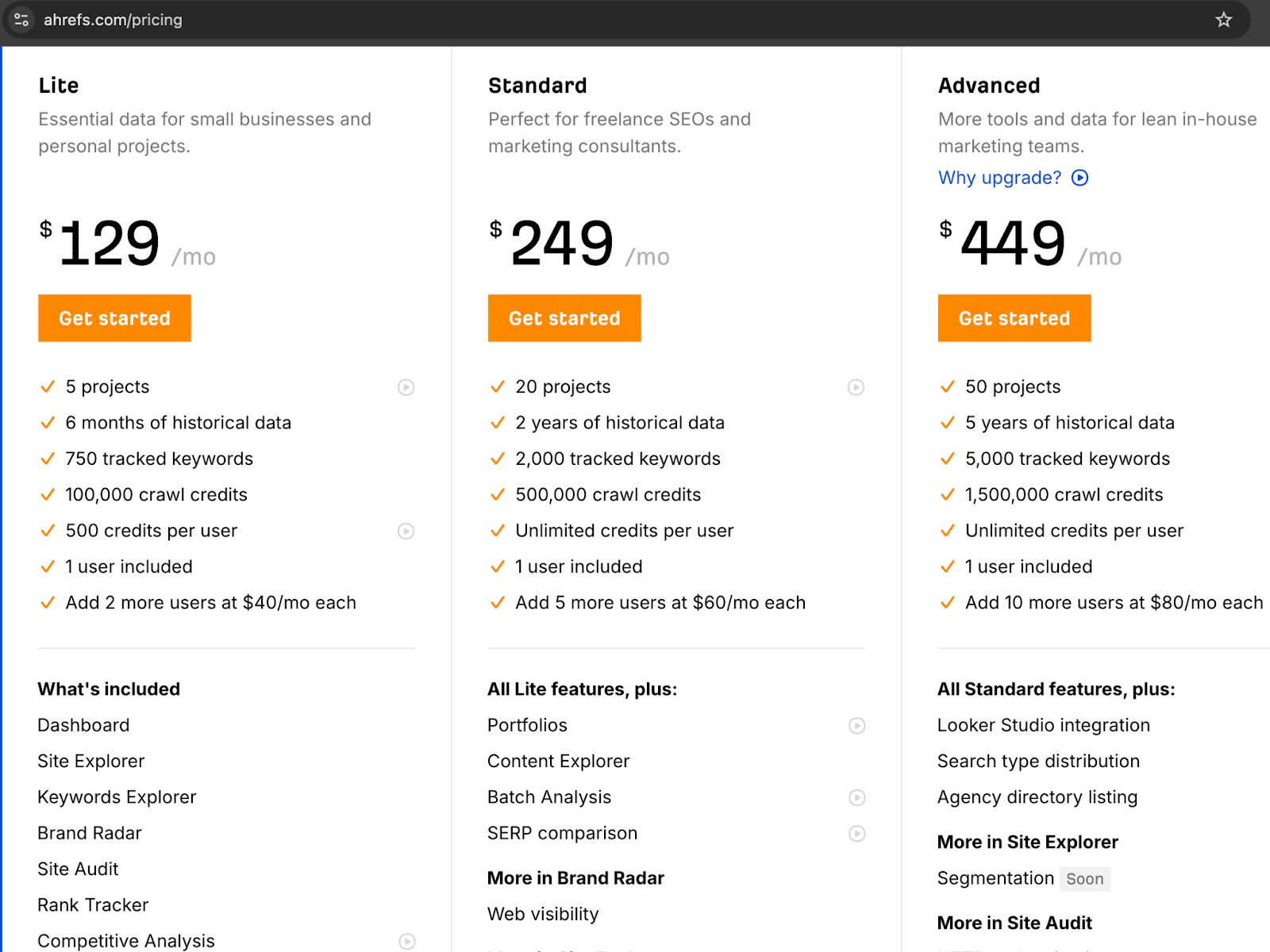
Pricing: Free; paid plans start at $129/month.
3. Semrush for competitor analysis

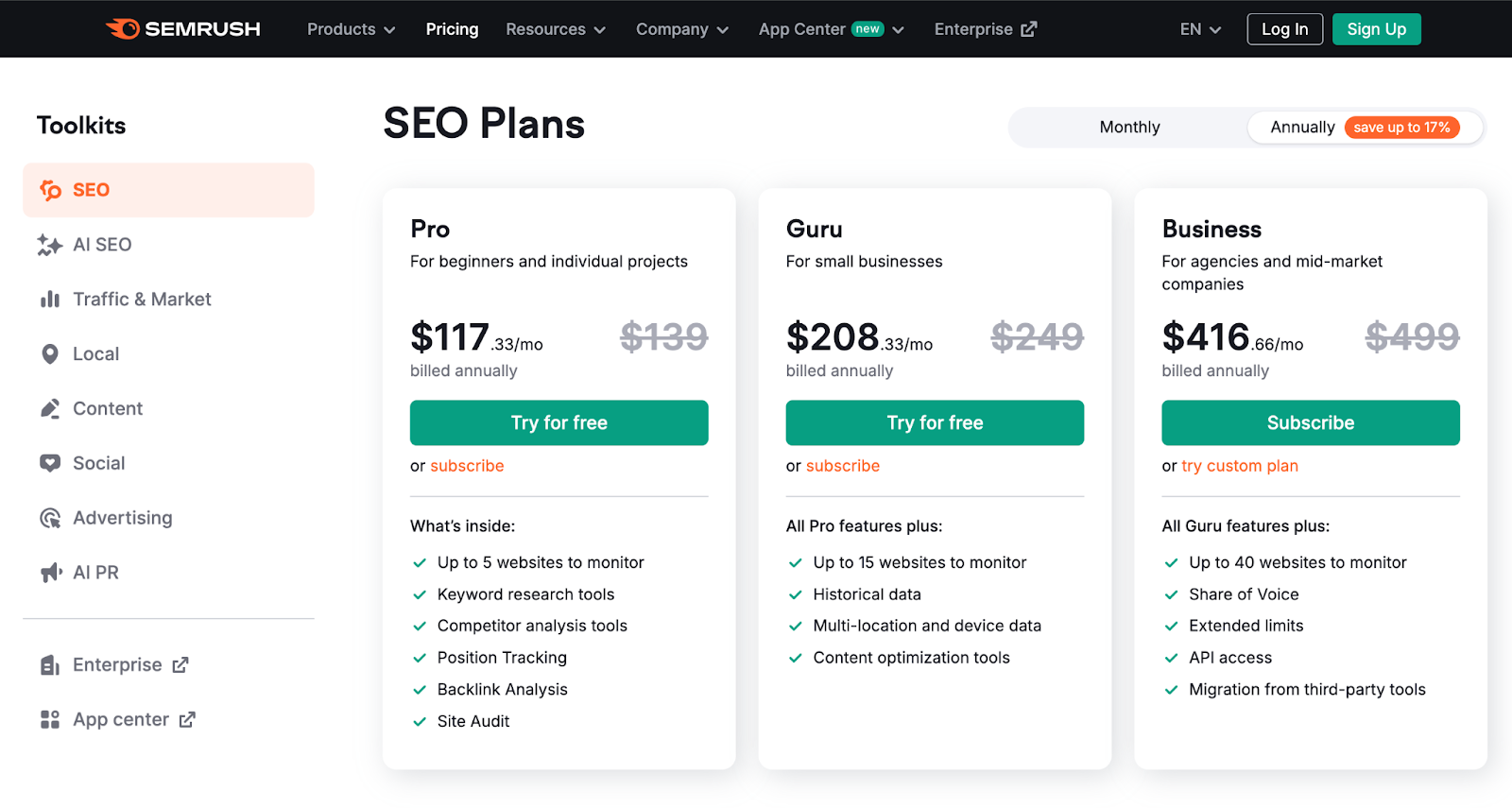
If you want to carry out a detailed competitor analysis, then Semrush is the best tool for that. It gives you a clear picture of who your competitors are, which keywords they rank for, where their traffic comes from, and what ads they run.
This makes it a powerful tool to find strategy gaps and new growth opportunities.
While using Semrush is great, its wide range of insights can be overwhelming for beginners. Also, pricing may be high for small teams. However, for businesses ready to take SEO and digital marketing seriously, Semrush provides exceptional value.
Pricing: Free trial available; paid plans start at $139/month.
4. Google Keyword Planner (best free SEO tool)
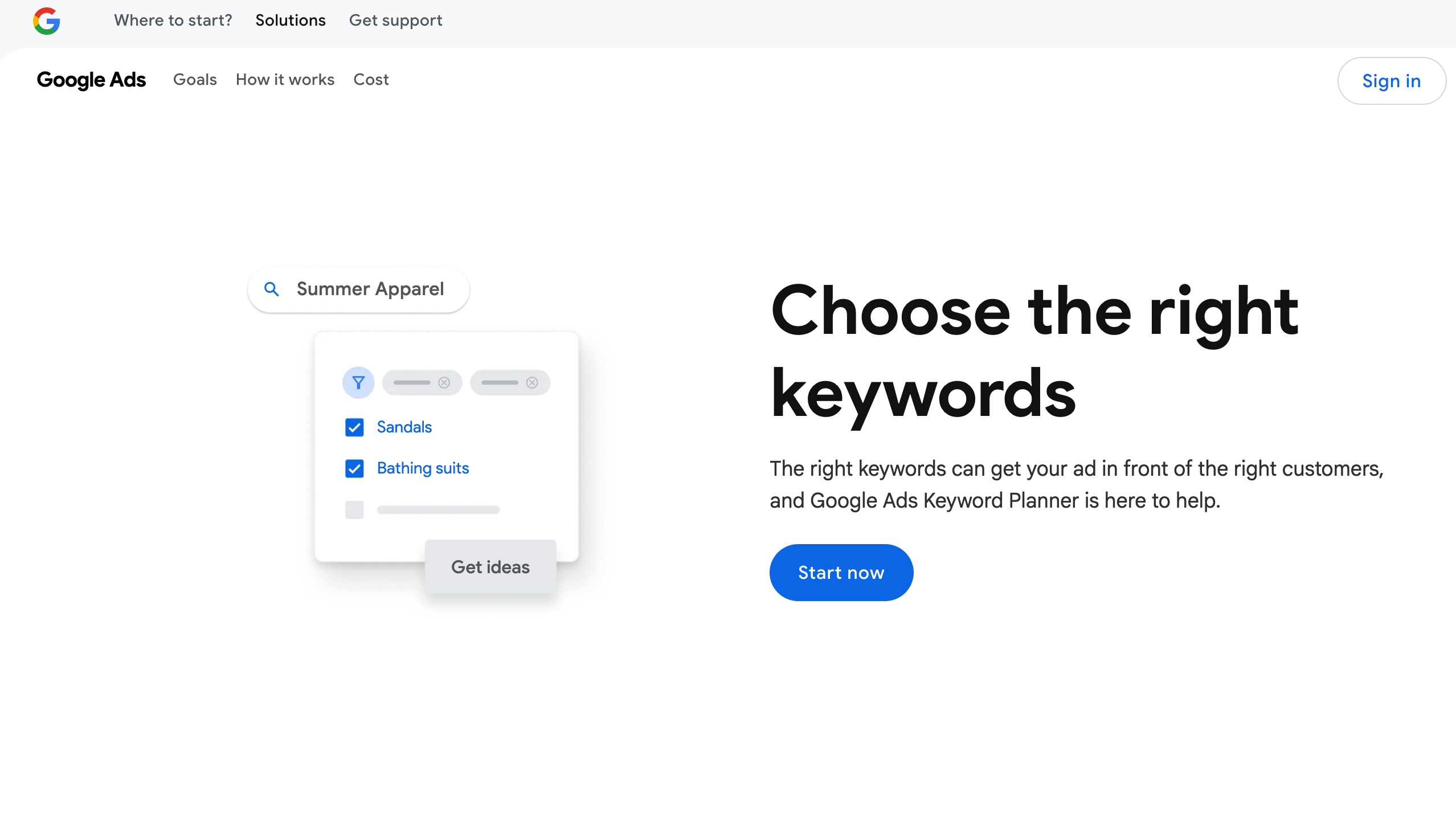
Google Keyword Planner is a solid free tool for basic keyword research. Originally built for Google Ads, it lets you find keyword ideas, search volumes, and competition levels using data directly from Google. It’s less detailed than paid tools like Ahrefs or Semrush but great for getting started on a budget.
Social Media Management Tools
Managing multiple social accounts is time-consuming, but social media tools help by scheduling posts, tracking performance, and boosting engagement. Here’s how the top options compare:
5. Buffer for simple scheduling
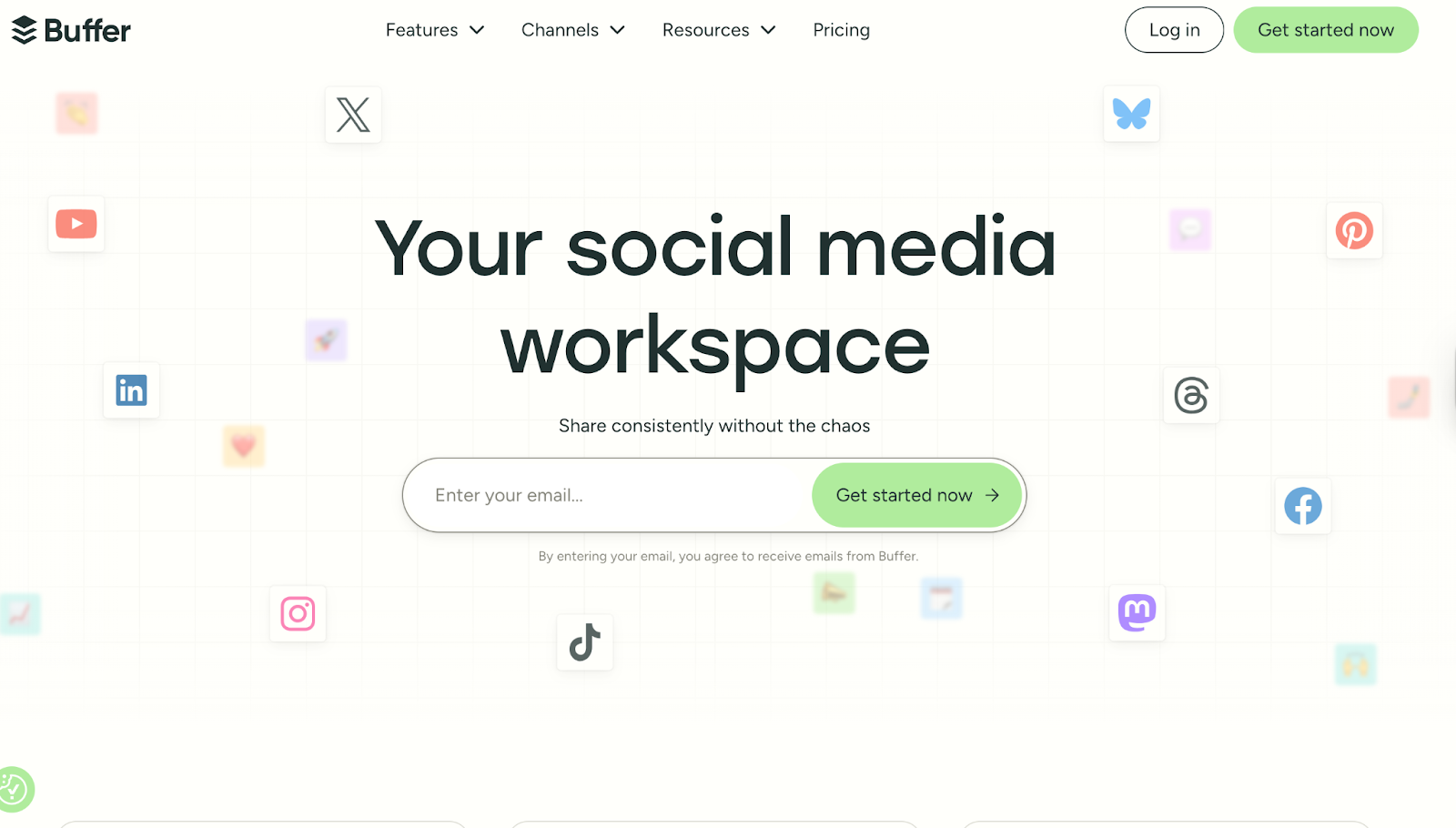
Buffer is a simple social media tool for scheduling and publishing posts across Facebook, Instagram, LinkedIn, and X (Twitter). Its clean interface makes it ideal for small businesses and creators who want an easy way to stay consistent.
While Buffer’s free and lower-tier plans offer only basic analytics, its paid plans include more in-depth performance insights. Where it really shines, though, is in reliable, straightforward scheduling that keeps your content organized and on time.
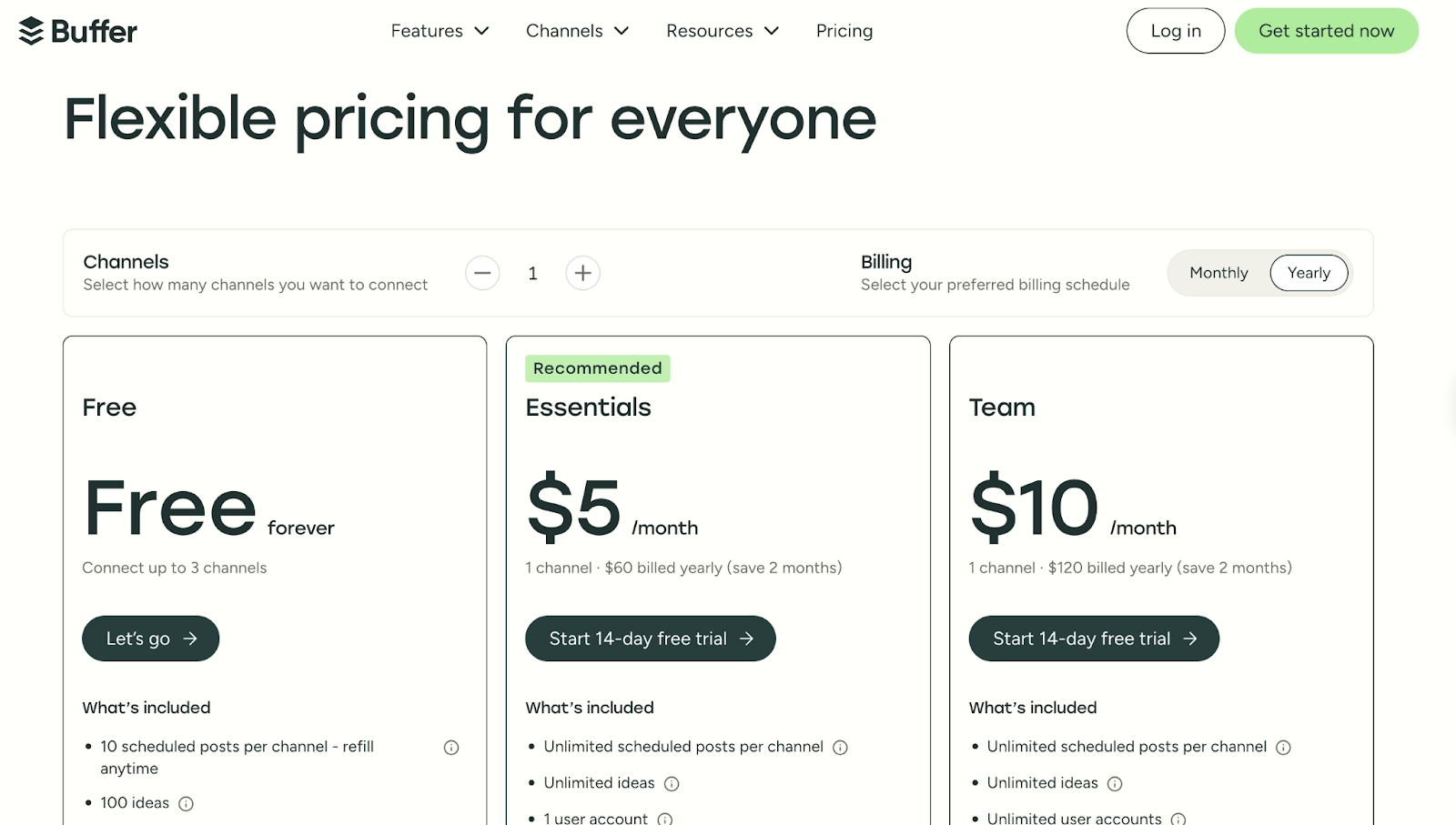
Pricing: Free plan available; paid plans start at $5/month per channel.
6. Sprout Social for analytics and reporting
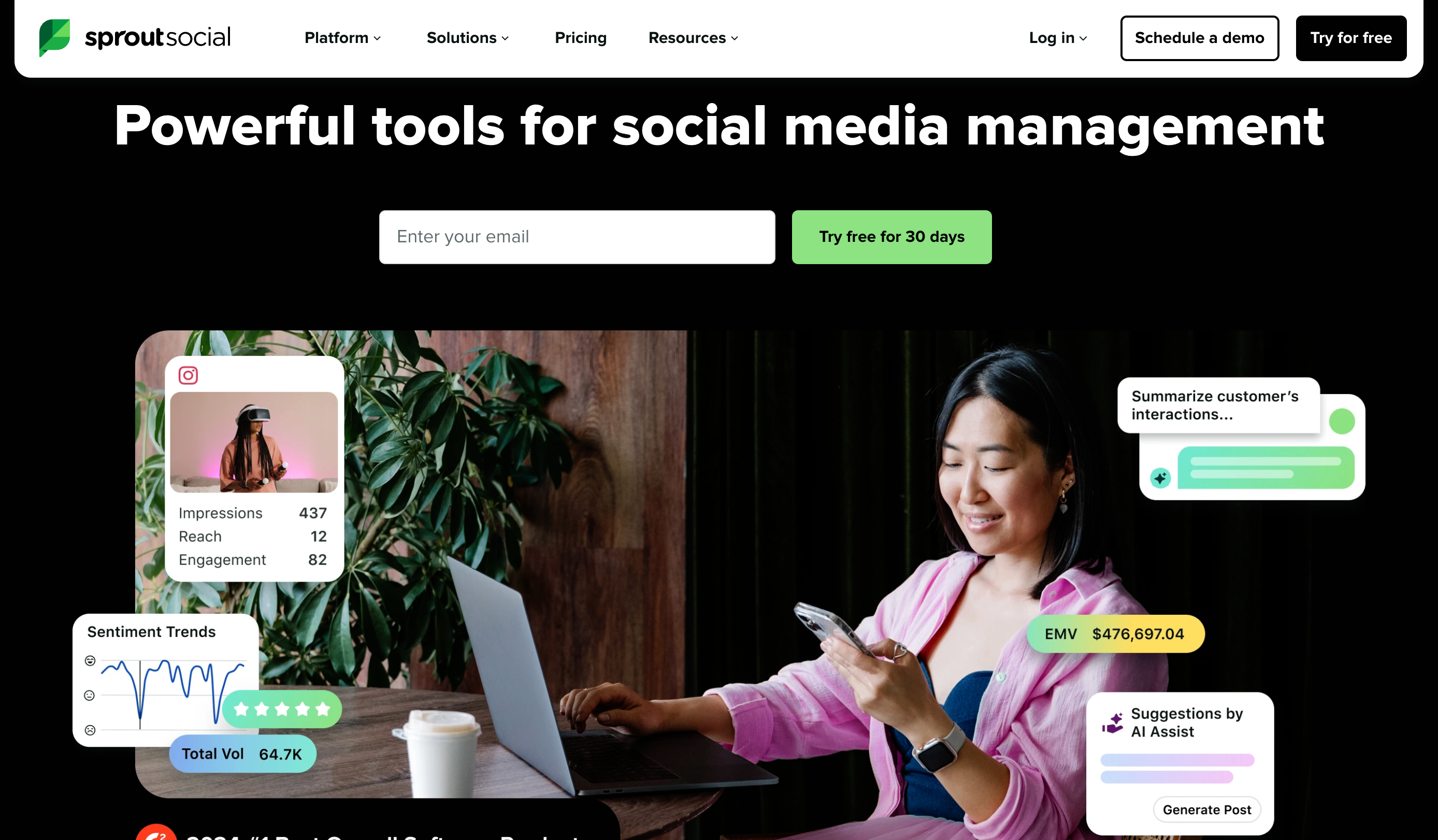
Sprout Social is a powerful social media tool with advanced analytics, detailed reporting, and engagement features. It’s ideal for teams and agencies that want to track campaign performance and make data-driven decisions.
What makes Sprout Social stand out is the quality of its insights. You can track audience growth, engagement trends, and campaign performance in detail, all while collaborating with your team on one platform. The downside of using Sprout Social is that it comes at a higher cost, which may be challenging for small businesses.
Pricing: Free trial available; paid plans start at $249/month.
7. Bonus: A Free Alternative — Meta Business Suite
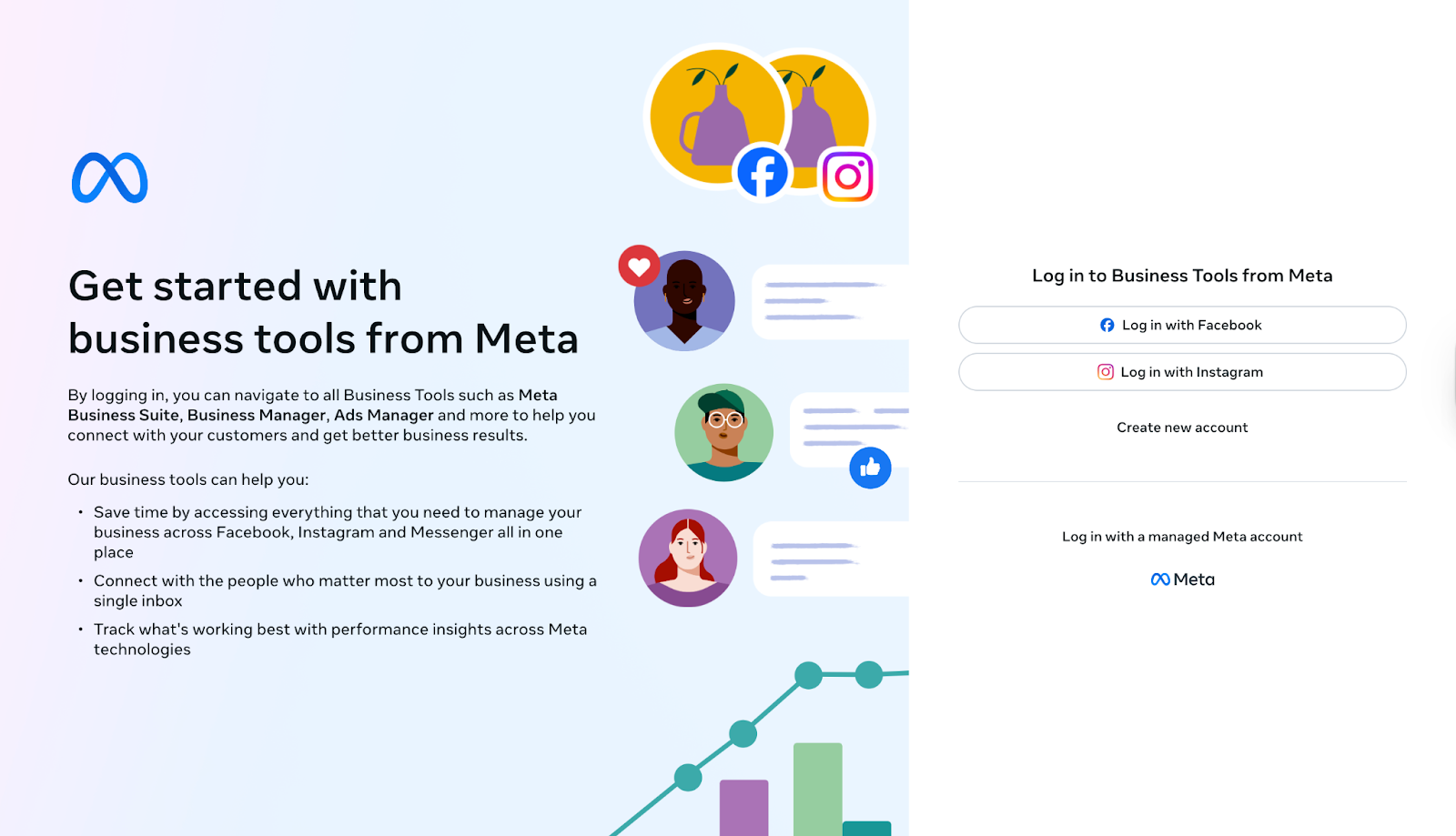
If you’re not ready to invest in a paid scheduling tool, Meta Business Suite is a great free option. Designed for Facebook and Instagram, it lets you plan and schedule posts, reply to messages, and check performance insights, all from one dashboard.
While it’s limited to Meta platforms, it’s surprisingly effective for small businesses, creators, and entrepreneurs who mainly use Facebook and Instagram to reach their audience. You can manage both accounts in one place without needing extra tools, making it a simple, no-cost way to stay consistent online.
Email Marketing & Automation Tools
Email marketing tools help businesses send campaigns, automate follow-ups, segment audiences, and personalize content. The right choice depends on your audience size and goals.
8. Mailchimp (best for all-in-one email campaigns)
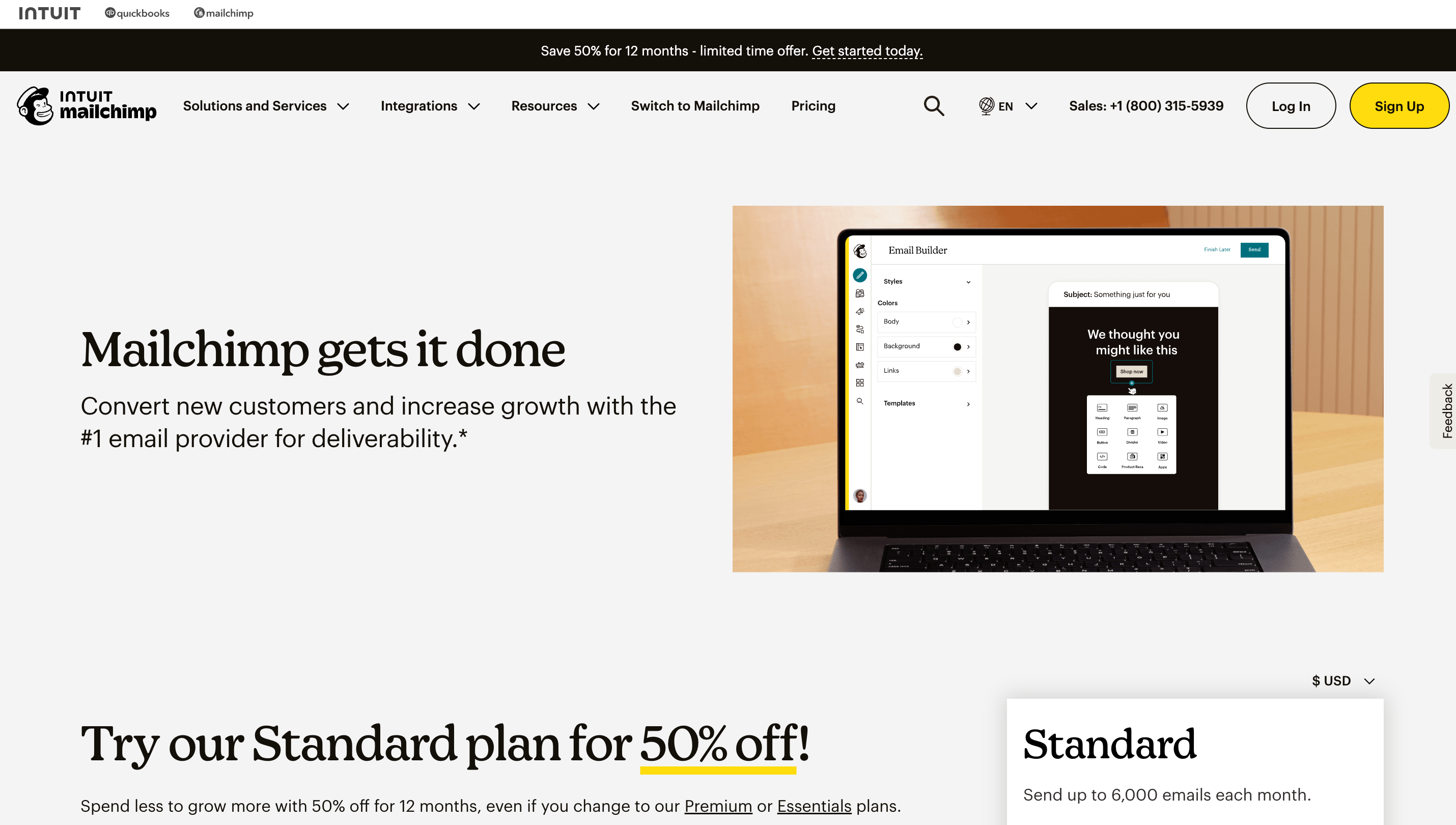
Mailchimp is known for its ease of use and range of features, from drag-and-drop email builders to automation workflows and audience segmentation. It’s great for managing campaigns in one place: from design to copy to planning to tracking analytics.
The free plan is generous, but pricing scales as your subscriber list grows.
Pricing: Free plan available; paid plans start at $13/month.
9. Kit formerly ConvertKit (best for creators selling digital products)
.png)
One advantage of using Kit is how it supports audience growth and monetization. You can tag and organize subscribers based on their actions, build custom sequences, and nurture leads without needing advanced technical skills.
While its email templates are minimal, it offers an efficient system for growing and monetizing your audience.
Pricing: Free plan available for up to 1,000 subscribers; paid plans start at $15/month.
10. MailerLite (best for simplicity and affordability)
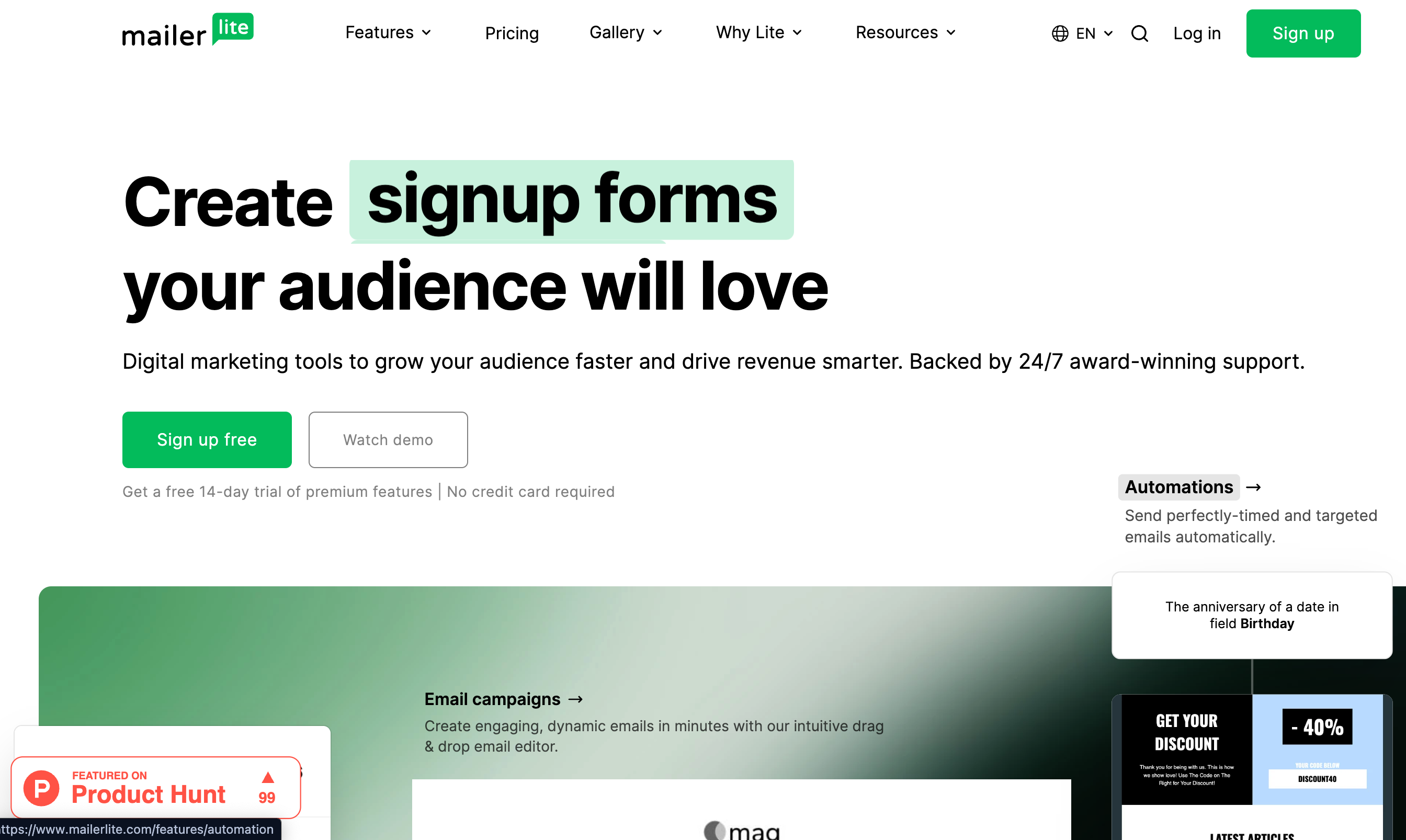
MailerLite is a lightweight, budget-friendly option that still covers essential features like automation, landing pages, and sign-up forms. It’s particularly appealing to small businesses or beginners who want a straightforward way to run email campaigns without complexity.
Pricing: Free plan available for up to 500 subscribers; paid plans start at $9/month.
Analytics & Reporting Tools
Analytics tools help businesses understand how campaigns perform, how users behave on websites or apps, and where to improve to maximize ROI. Here are some analytics tools:
11. Google Analytics 4 (best for website performance tracking)
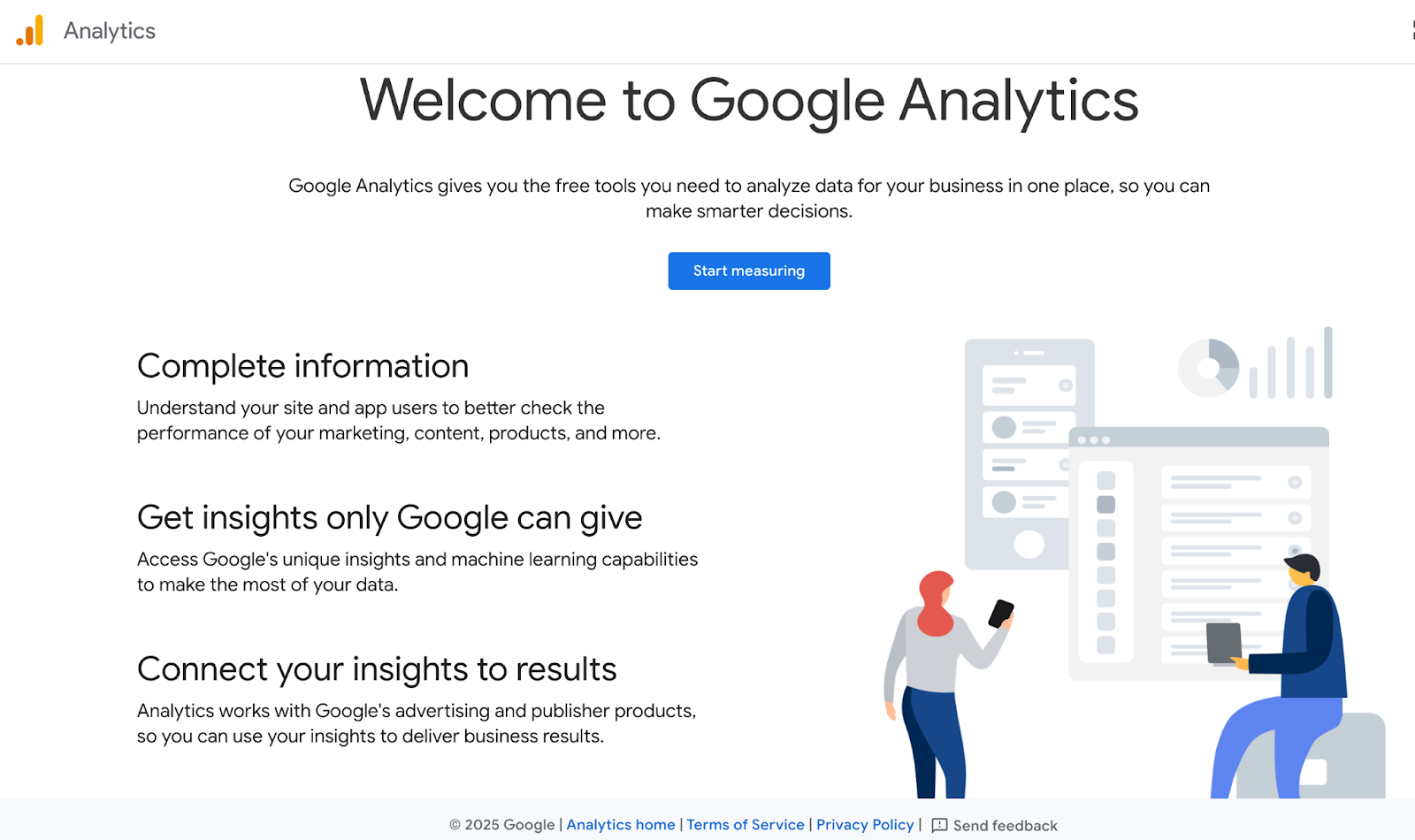
Google Analytics 4 (GA4) is the go-to tool for tracking website traffic, conversions, and user behavior. It helps you understand where visitors are coming from, how they interact with your content, and which channels drive the most revenue. While it’s powerful, the setup can feel complex for beginners.
Pricing: Free.
12. Hotjar (best for visual behavior insights)
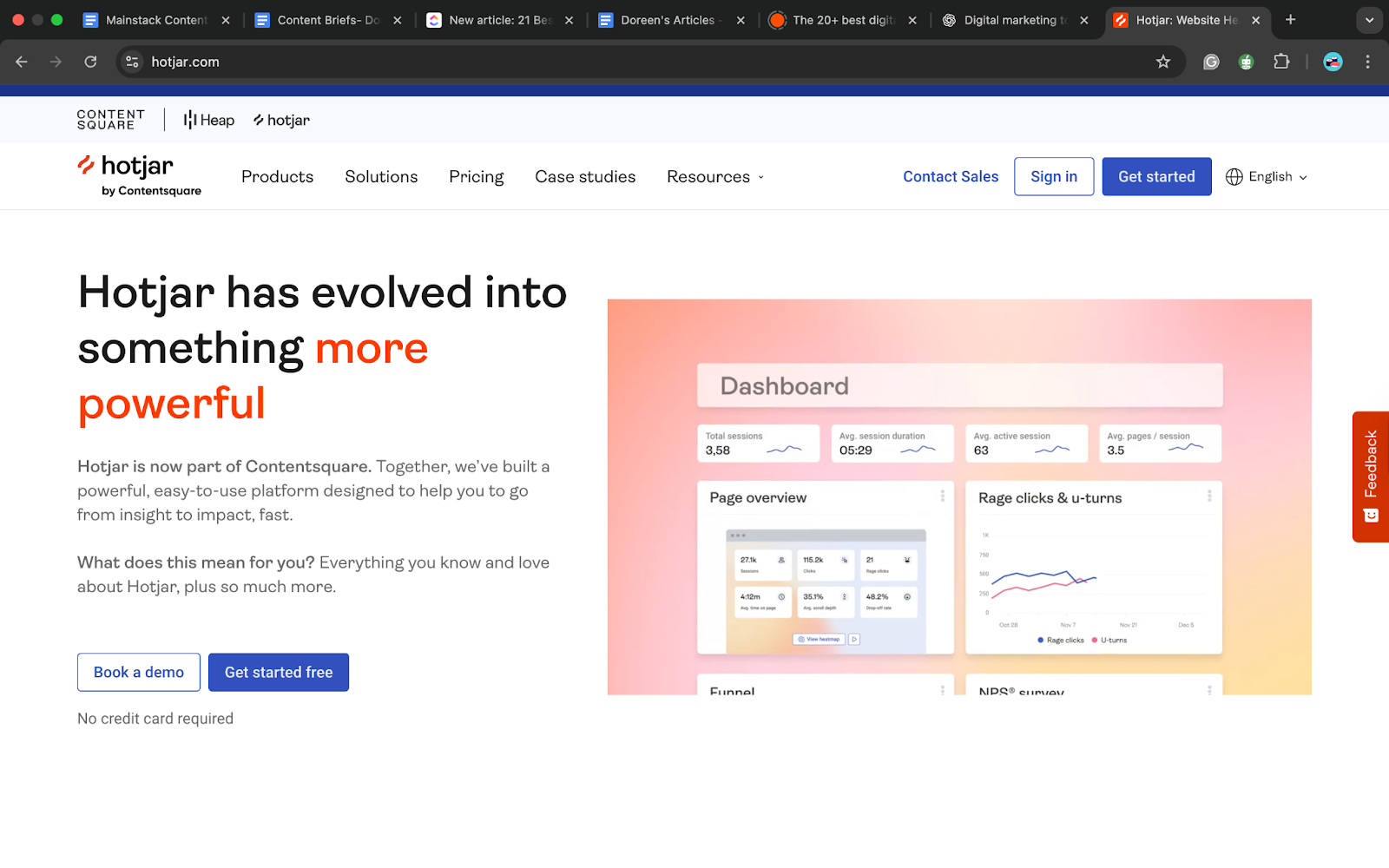
Hotjar takes analytics further by providing heatmaps, session recordings, and user feedback tools. Instead of just numbers, you can see exactly how people click, scroll, and interact with your website, making it easier to spot usability issues and optimize conversions.
Pricing: Free plan available; paid plans start at $32/month.
AI-Powered Marketing Tools
AI tools are transforming digital marketing by helping businesses create content faster, personalize messaging, and make smarter predictions about customer behavior.
13. Jasper AI (best for long-form marketing content)
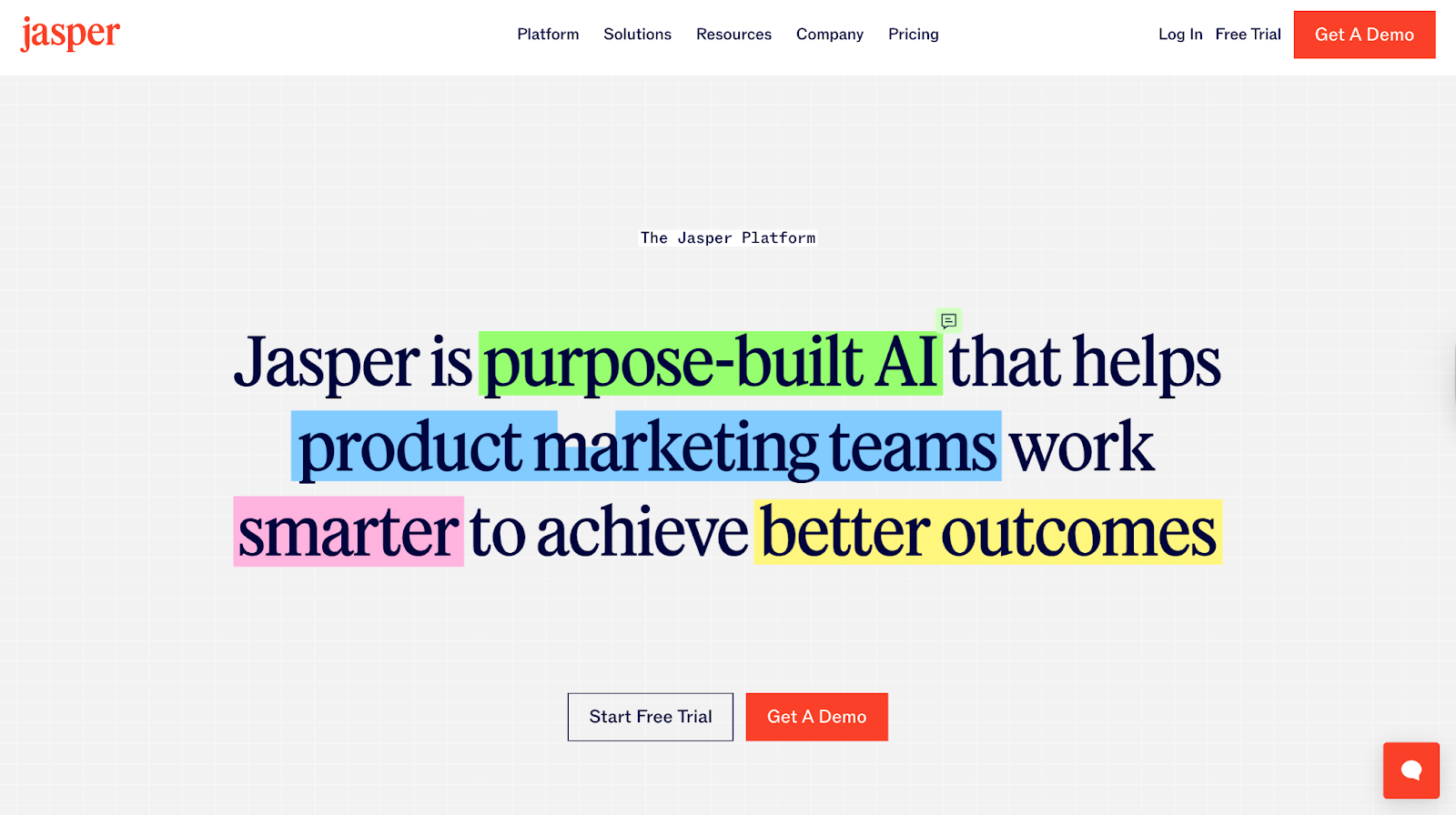
Jasper AI specializes in generating blog posts, ad copy, and marketing emails using AI. It’s trained on marketing frameworks and tones, making it a solid choice for brands that want polished, conversion-focused writing at scale.
Pricing: Plans start at $59/month.
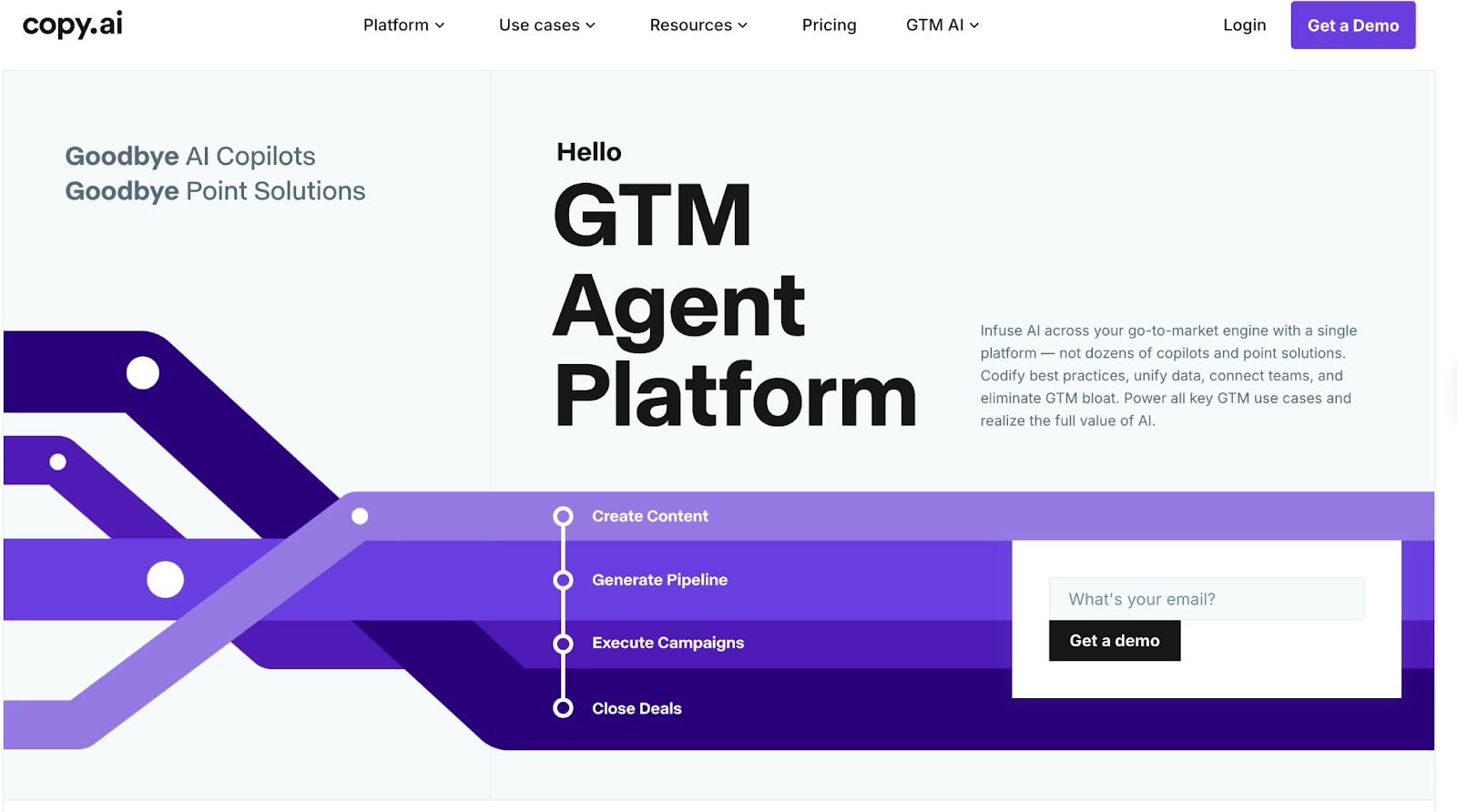
14. Copy.ai (best for quick copywriting)
Design & Creative Tools
Great marketing requires visuals that capture attention, and design tools make it easy for anyone even without design skills to create professional-looking graphics and campaigns.
15. Canva (best for quick, versatile designs)
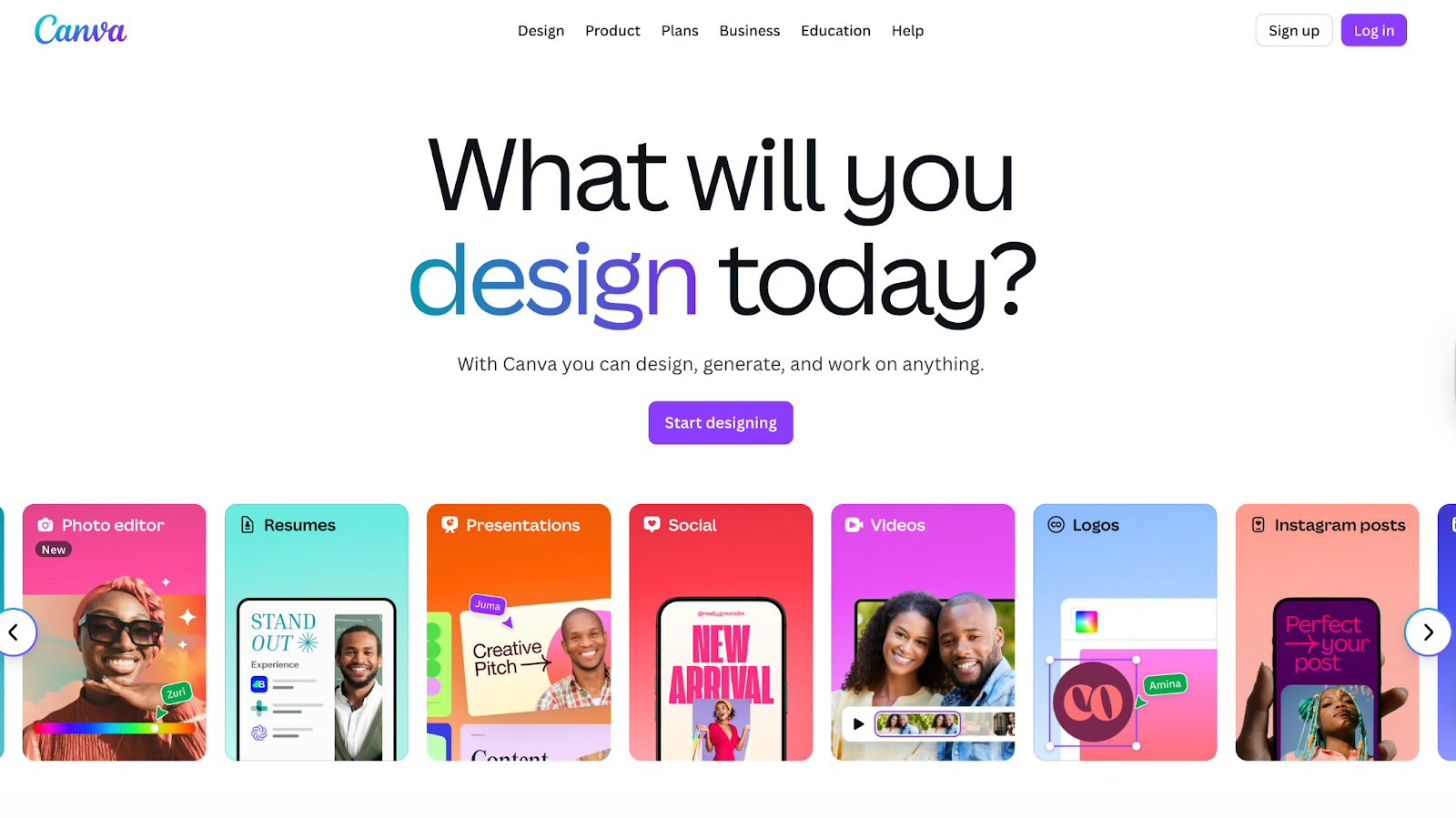
Canva is one of the most popular design tools, offering templates for social media, presentations, ads, and more. It is so beginner-friendly that anyone could work around the already existing templates and create a masterpiece. Its drag-and-drop interface makes it simple for non-designers, and the free version is robust enough for most small business needs.
Pricing: Free plan available; Canva Pro starts at $12.99/month.
16. Figma (best for collaborative design)
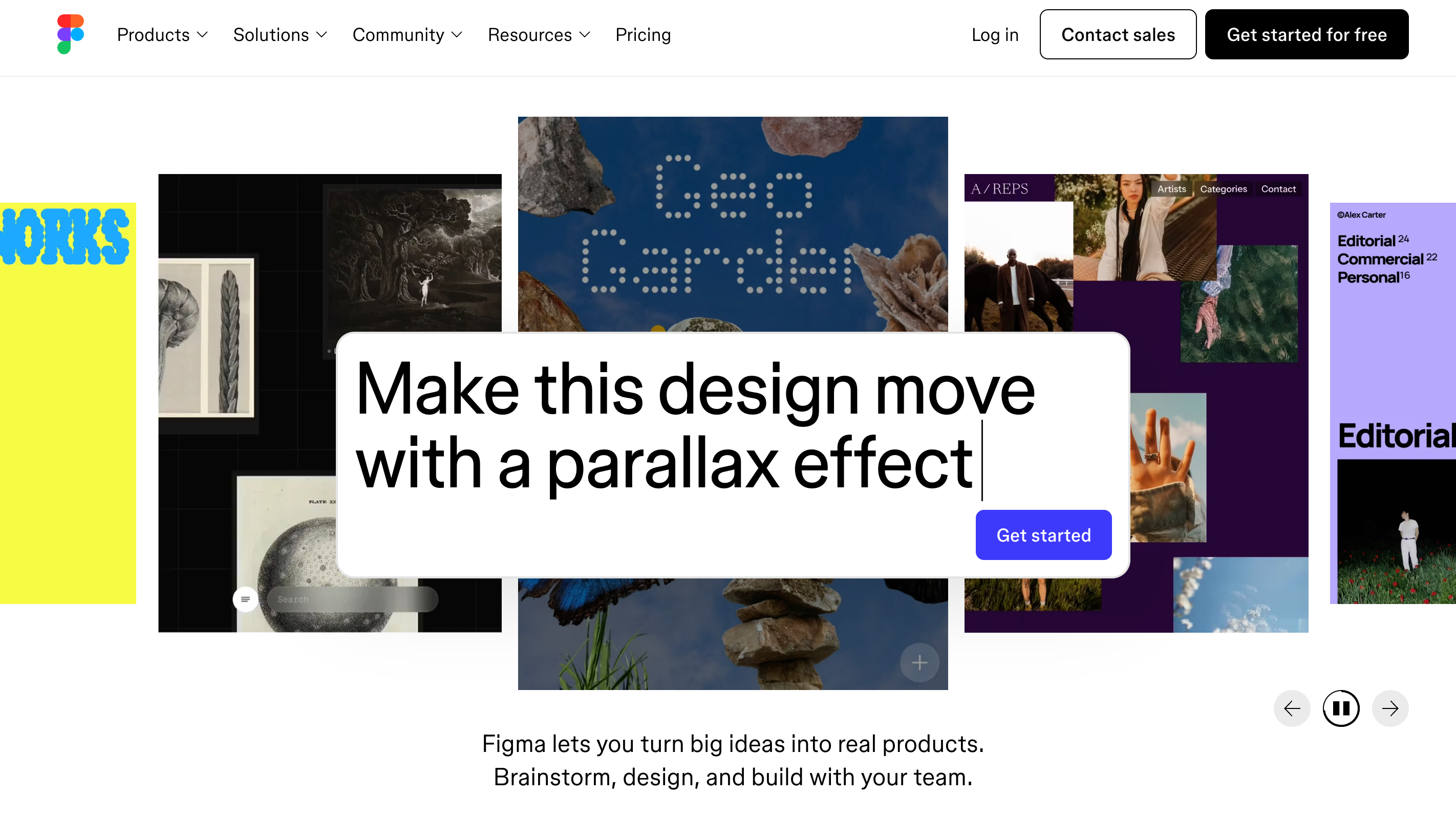
Figma is a design tool built for collaboration. Teams can create, edit, and comment on designs in real time, making it perfect for marketers working with designers or agencies. It’s especially useful for UI/UX projects and campaign mockups.
Pricing: Free plan available; paid plans start at $5/month depending on the collab, dev or dull seat..
17. Adobe Express (best for professional-grade templates)
Paid Ads & PPC Tools
Running paid ad campaigns requires precise targeting, careful budgeting, and clear tracking to make sure every dollar counts. Paid Ads and PPC tools simplify campaign management, measure ROI, and help businesses reach the right audiences faster.
18. Google Ads (best for search engine campaigns)
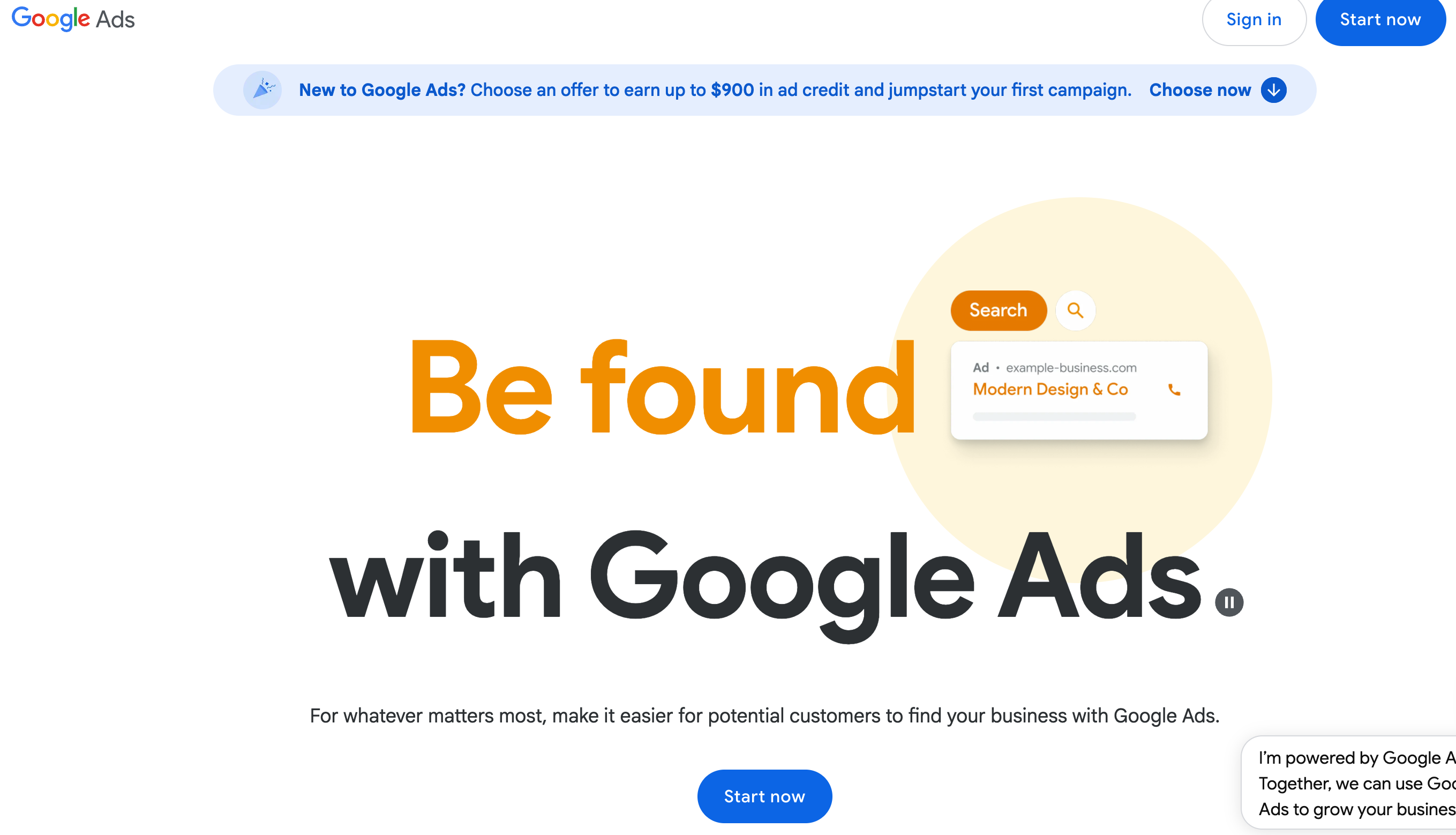
Google Ads is the most widely used platform for pay-per-click advertising. It allows businesses to bid on keywords and display ads at the top of search results, reaching customers at the exact moment they’re searching for solutions. Its strength is intent-driven traffic, though competition for popular keywords can make costs high.
Pricing: Pay-per-click model, no fixed monthly fee.
19. Meta Ads Manager (best for social ad targeting)
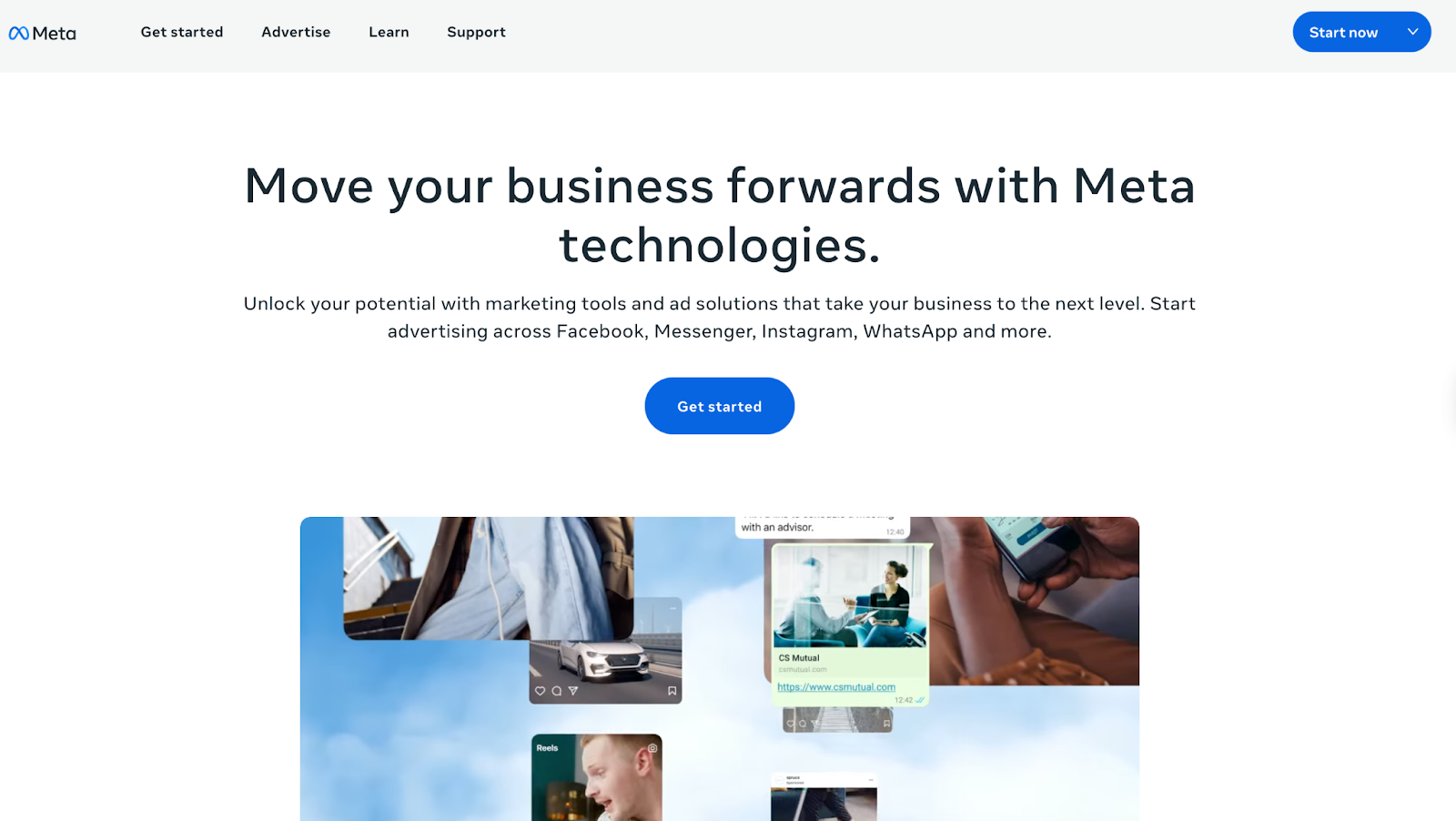
Pricing: Flexible budget; pay-per-click or impression.
Collaboration & Project Management Tools
With so many moving parts in digital marketing, project management tools help teams stay organized, collaborate smoothly, and ensure campaigns launch on time.
20. Trello (best for visual task management)
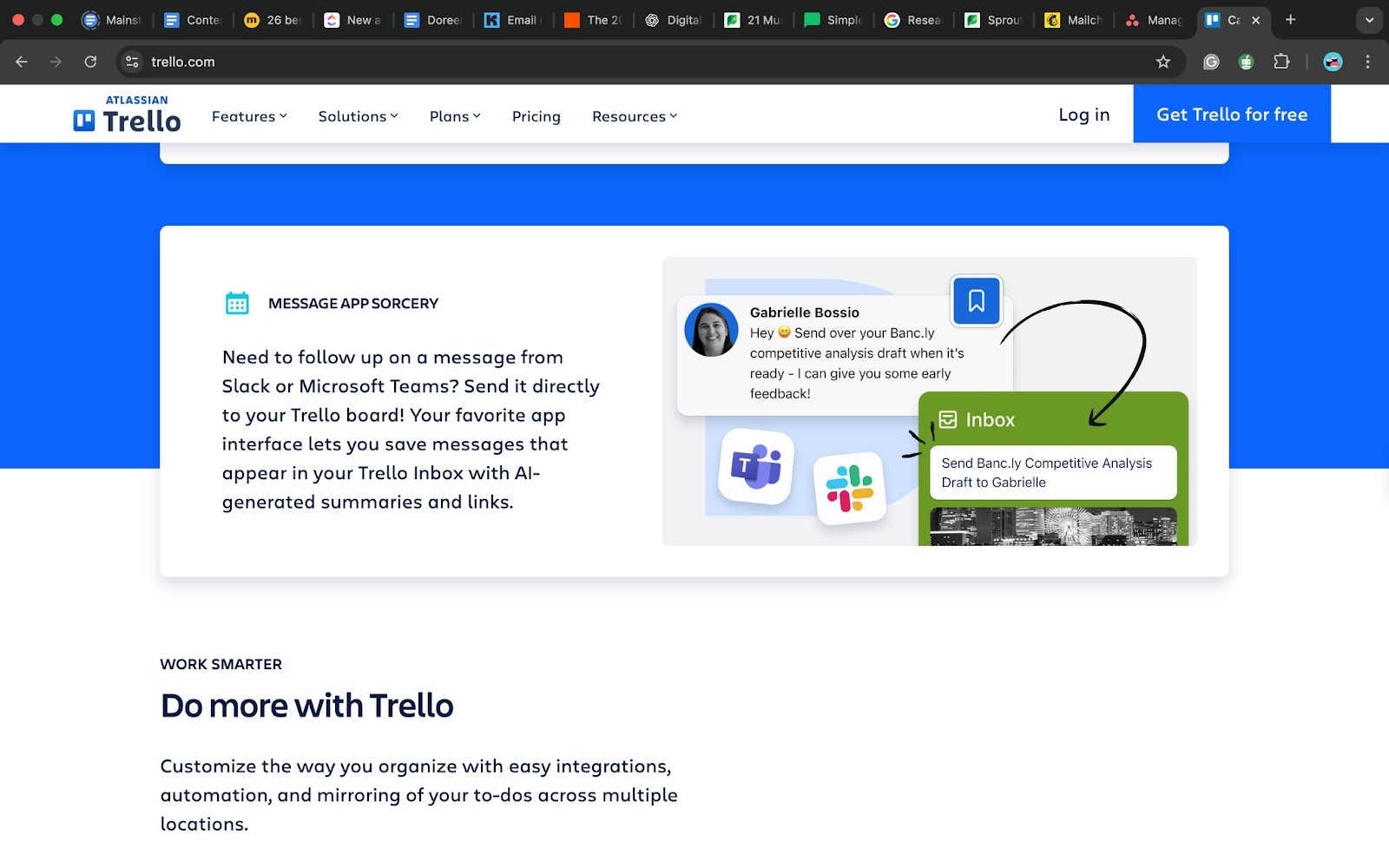
Trello uses boards, lists, and cards to organize tasks in a highly visual way. It’s simple, flexible, and perfect for small teams that want to manage campaigns, brainstorm ideas, or track workflows without overwhelming features.
Pricing: Free plan is available; paid plans start at $5/month per user.
21. Asana (best for structured workflows)
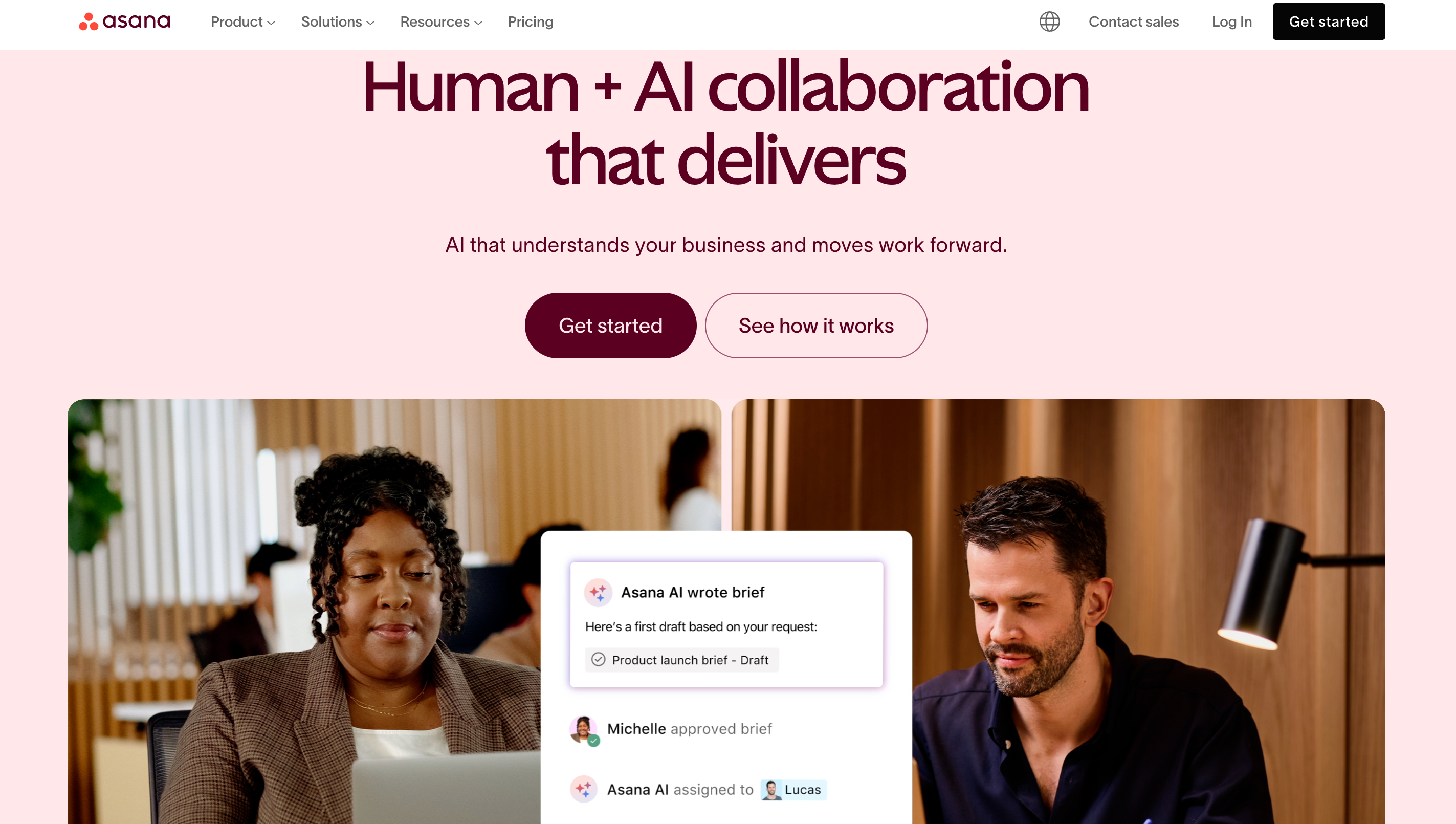
Asana is more than just a to-do list. It’s a collaboration tool that helps teams stay organized and finish big projects on time. You can use it to see how tasks connect (called dependencies), view everything on a clear timeline, and start new projects quickly with ready-made templates. This makes it perfect for marketing or creative teams that handle tons of campaigns and deadlines at once.
Asana integrates with more than 200 applications, including Google Workspace, Slack, and Microsoft Teams, eliminating the need to switch between different programs.
You can add custom fields to track what matters most to your team, and use workload tools to see who’s busy and who has time to help. Automation saves time by handling small, repetitive jobs automatically. Plus, Asana now includes smart AI helpers that can spot delays, suggest next steps, and keep projects running smoothly.
Pricing: Free plan available; paid plans start at $10.99/month per user.
Tips to Get the Most Out of Marketing Tools
Using digital marketing tools effectively goes beyond just signing up. To maximize results, review analytics regularly and adjust strategies based on real data. Automate repetitive tasks like emails, scheduling, and reporting to free up more time for creativity and strategy.
Combine tools for a full stack. For example, you can pair analytics with email automation or project management with social scheduling to create a more powerful marketing system.
At the end of the day, marketing tools are there to make life easier, not harder. Start small; choose two or three that address your biggest needs, like audience growth, time savings, or better content, and expand as you grow.
Looking for an all-in-one digital marketing solution built for creators? Mainstack lets you host digital products, track analytics, and manage engagement, all from one simple dashboard.
As more businesses find ways to thrive in a crowded market, the best digital marketing tools in 2025 provide smarter, faster, and more efficient methods to reach customers.
What began as manual tracking and guesswork has now evolved into powerful systems that streamline every stage of marketing. This evolution enables startups and established brands to compete and grow in meaningful ways.
This guide will give a complete, step-by-step plan and downloadable checklist to help you choose the right tools, set up effective strategies, and track your progress with ease.
What Are Digital Marketing Tools?
Digital marketing tools are online platforms, apps, or software that help businesses plan, manage, and measure their marketing strategies across channels like social media, email, SEO, content, and advertising to boost engagement, generate leads, and increase sales.
Why Use Digital Marketing Tools?
Digital marketing tools make life easier by automating repetitive tasks such as post scheduling, email distribution, and campaign tracking. Instead of getting overwhelmed with manual tasks, you have more time to focus on the creative aspects of growing your business.
They also provide real-time feedback on what works and what doesn't. With clear data on customer behavior and campaign performance, it's much easier to make better decisions that are impactful to your business.
With how fast the business world is moving, the right tools can help your brand stand out. Whether it's personalizing your messages or reaching the right audience faster, they give you an advantage over businesses that still rely on traditional methods.
And the best part? They’re often far more affordable than traditional marketing. Small businesses can now benefit from effective tools without breaking the bank, making online growth more accessible than ever. Traditional marketing, on the other hand, usually involves methods like print ads, billboards, TV, or radio spots, all of which are costly and difficult to track.
For example, a small bakery wanting to advertise through a newspaper ad might spend hundreds of dollars for just a single placement, with no clear way to measure how many people actually came in because of it. With digital marketing tools, that same bakery could run targeted social media ads for a fraction of the price, track clicks and conversions in real time, and adjust the campaign instantly to get better results.
Best Digital Marketing Tools by Category
With many options available, the right tool depends on your marketing goals. Here’s a list of top digital marketing tools by category to help you find what fits your business.
All-in-One Tools for Creators
For creators who want everything in one place, all-in-one tools make it easier to manage content, grow an audience, and track performance without juggling multiple platforms.
1. Mainstack for all-in-one storefront and landing page
Mainstack is an all-in-one platform for creators, entrepreneurs, and small businesses to build landing pages, showcase products, and sell directly to their audience. It enables you to transform your online presence into a monetizable hub without the need for multiple tools, making it ideal for anyone who wants to manage everything in one place.
Some of its standout features include customizable landing pages, a built-in storefront for both digital and physical products, and an analytics dashboard that tracks audience engagement. It also comes with payment integrations for seamless sales and a simple link-in-bio option that works perfectly across social platforms.
Mainstack offers a free plan with core features, making it accessible to beginners. The platform supports flexible payment options, including one-time fees, subscriptions, pay-what-you-want models, and even crypto payments in over 135 currencies. The icing of the cake is that Mainstack doesn’t charge monthly fees. It only collects a small 3% platform fee when you earn, so you keep more of your revenue.
The Best SEO & Content Marketing Tools
SEO and content marketing tools help businesses attract the right audience and rank higher on search engines. They simplify keyword research, on-page optimization, and content planning to improve results.
2. Ahrefs for keyword research
Ahrefs is a leading SEO platform for keyword research, backlink analysis, and competitor insights. Its free tools let you generate up to 150 keyword ideas, check difficulty, and track rankings. This makes it ideal for small businesses or individuals starting out.
Ahrefs is known for its accurate data and keyword precision, which gives marketers better keywords to target. The downside, however, is that you need a paid plan to unlock advanced features like detailed backlink reports or larger keyword volumes, which can be pricey.
Regardless, the upgrade unlocks one of the most powerful SEO suites on the market.
Pricing: Free; paid plans start at $129/month.
3. Semrush for competitor analysis
If you want to carry out a detailed competitor analysis, then Semrush is the best tool for that. It gives you a clear picture of who your competitors are, which keywords they rank for, where their traffic comes from, and what ads they run.
This makes it a powerful tool to find strategy gaps and new growth opportunities.
While using Semrush is great, its wide range of insights can be overwhelming for beginners. Also, pricing may be high for small teams. However, for businesses ready to take SEO and digital marketing seriously, Semrush provides exceptional value.
Pricing: Free trial available; paid plans start at $139/month.
4. Google Keyword Planner (best free SEO tool)
Google Keyword Planner is a solid free tool for basic keyword research. Originally built for Google Ads, it lets you find keyword ideas, search volumes, and competition levels using data directly from Google. It’s less detailed than paid tools like Ahrefs or Semrush but great for getting started on a budget.
Social Media Management Tools
Managing multiple social accounts is time-consuming, but social media tools help by scheduling posts, tracking performance, and boosting engagement. Here’s how the top options compare:
5. Buffer for simple scheduling
Buffer is a simple social media tool for scheduling and publishing posts across Facebook, Instagram, LinkedIn, and X (Twitter). Its clean interface makes it ideal for small businesses and creators who want an easy way to stay consistent.
While Buffer’s free and lower-tier plans offer only basic analytics, its paid plans include more in-depth performance insights. Where it really shines, though, is in reliable, straightforward scheduling that keeps your content organized and on time.
Pricing: Free plan available; paid plans start at $5/month per channel.
6. Sprout Social for analytics and reporting
Sprout Social is a powerful social media tool with advanced analytics, detailed reporting, and engagement features. It’s ideal for teams and agencies that want to track campaign performance and make data-driven decisions.
What makes Sprout Social stand out is the quality of its insights. You can track audience growth, engagement trends, and campaign performance in detail, all while collaborating with your team on one platform. The downside of using Sprout Social is that it comes at a higher cost, which may be challenging for small businesses.
Pricing: Free trial available; paid plans start at $249/month.
7. Bonus: A Free Alternative — Meta Business Suite
If you’re not ready to invest in a paid scheduling tool, Meta Business Suite is a great free option. Designed for Facebook and Instagram, it lets you plan and schedule posts, reply to messages, and check performance insights, all from one dashboard.
While it’s limited to Meta platforms, it’s surprisingly effective for small businesses, creators, and entrepreneurs who mainly use Facebook and Instagram to reach their audience. You can manage both accounts in one place without needing extra tools, making it a simple, no-cost way to stay consistent online.
Email Marketing & Automation Tools
Email marketing tools help businesses send campaigns, automate follow-ups, segment audiences, and personalize content. The right choice depends on your audience size and goals.
8. Mailchimp (best for all-in-one email campaigns)
Mailchimp is known for its ease of use and range of features, from drag-and-drop email builders to automation workflows and audience segmentation. It’s great for managing campaigns in one place: from design to copy to planning to tracking analytics.
The free plan is generous, but pricing scales as your subscriber list grows.
Pricing: Free plan available; paid plans start at $13/month.
9. Kit formerly ConvertKit (best for creators selling digital products)
One advantage of using Kit is how it supports audience growth and monetization. You can tag and organize subscribers based on their actions, build custom sequences, and nurture leads without needing advanced technical skills.
While its email templates are minimal, it offers an efficient system for growing and monetizing your audience.
Pricing: Free plan available for up to 1,000 subscribers; paid plans start at $15/month.
10. MailerLite (best for simplicity and affordability)
MailerLite is a lightweight, budget-friendly option that still covers essential features like automation, landing pages, and sign-up forms. It’s particularly appealing to small businesses or beginners who want a straightforward way to run email campaigns without complexity.
Pricing: Free plan available for up to 500 subscribers; paid plans start at $9/month.
Analytics & Reporting Tools
Analytics tools help businesses understand how campaigns perform, how users behave on websites or apps, and where to improve to maximize ROI. Here are some analytics tools:
11. Google Analytics 4 (best for website performance tracking)
Google Analytics 4 (GA4) is the go-to tool for tracking website traffic, conversions, and user behavior. It helps you understand where visitors are coming from, how they interact with your content, and which channels drive the most revenue. While it’s powerful, the setup can feel complex for beginners.
Pricing: Free.
12. Hotjar (best for visual behavior insights)
Hotjar takes analytics further by providing heatmaps, session recordings, and user feedback tools. Instead of just numbers, you can see exactly how people click, scroll, and interact with your website, making it easier to spot usability issues and optimize conversions.
Pricing: Free plan available; paid plans start at $32/month.
AI-Powered Marketing Tools
AI tools are transforming digital marketing by helping businesses create content faster, personalize messaging, and make smarter predictions about customer behavior.
13. Jasper AI (best for long-form marketing content)
Jasper AI specializes in generating blog posts, ad copy, and marketing emails using AI. It’s trained on marketing frameworks and tones, making it a solid choice for brands that want polished, conversion-focused writing at scale.
Pricing: Plans start at $59/month.
14. Copy.ai (best for quick copywriting)
Design & Creative Tools
Great marketing requires visuals that capture attention, and design tools make it easy for anyone even without design skills to create professional-looking graphics and campaigns.
15. Canva (best for quick, versatile designs)
Canva is one of the most popular design tools, offering templates for social media, presentations, ads, and more. It is so beginner-friendly that anyone could work around the already existing templates and create a masterpiece. Its drag-and-drop interface makes it simple for non-designers, and the free version is robust enough for most small business needs.
Pricing: Free plan available; Canva Pro starts at $12.99/month.
16. Figma (best for collaborative design)
Figma is a design tool built for collaboration. Teams can create, edit, and comment on designs in real time, making it perfect for marketers working with designers or agencies. It’s especially useful for UI/UX projects and campaign mockups.
Pricing: Free plan available; paid plans start at $5/month depending on the collab, dev or dull seat..
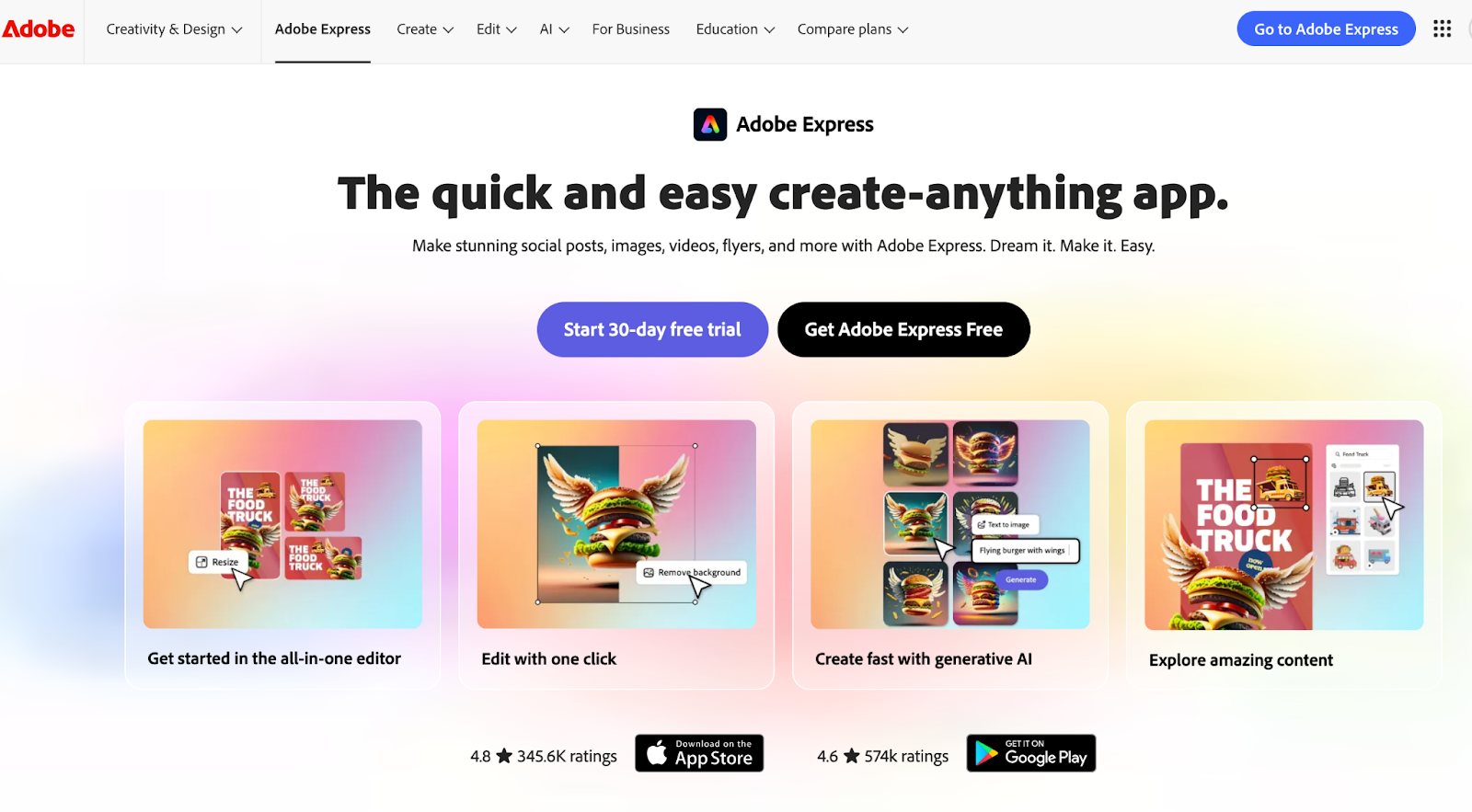
17. Adobe Express (best for professional-grade templates)
Paid Ads & PPC Tools
Running paid ad campaigns requires precise targeting, careful budgeting, and clear tracking to make sure every dollar counts. Paid Ads and PPC tools simplify campaign management, measure ROI, and help businesses reach the right audiences faster.
18. Google Ads (best for search engine campaigns)
Google Ads is the most widely used platform for pay-per-click advertising. It allows businesses to bid on keywords and display ads at the top of search results, reaching customers at the exact moment they’re searching for solutions. Its strength is intent-driven traffic, though competition for popular keywords can make costs high.
Pricing: Pay-per-click model, no fixed monthly fee.
19. Meta Ads Manager (best for social ad targeting)
Pricing: Flexible budget; pay-per-click or impression.
Collaboration & Project Management Tools
With so many moving parts in digital marketing, project management tools help teams stay organized, collaborate smoothly, and ensure campaigns launch on time.
20. Trello (best for visual task management)
Trello uses boards, lists, and cards to organize tasks in a highly visual way. It’s simple, flexible, and perfect for small teams that want to manage campaigns, brainstorm ideas, or track workflows without overwhelming features.
Pricing: Free plan is available; paid plans start at $5/month per user.
21. Asana (best for structured workflows)
Asana is more than just a to-do list. It’s a collaboration tool that helps teams stay organized and finish big projects on time. You can use it to see how tasks connect (called dependencies), view everything on a clear timeline, and start new projects quickly with ready-made templates. This makes it perfect for marketing or creative teams that handle tons of campaigns and deadlines at once.
Asana integrates with more than 200 applications, including Google Workspace, Slack, and Microsoft Teams, eliminating the need to switch between different programs.
You can add custom fields to track what matters most to your team, and use workload tools to see who’s busy and who has time to help. Automation saves time by handling small, repetitive jobs automatically. Plus, Asana now includes smart AI helpers that can spot delays, suggest next steps, and keep projects running smoothly.
Pricing: Free plan available; paid plans start at $10.99/month per user.
Tips to Get the Most Out of Marketing Tools
Using digital marketing tools effectively goes beyond just signing up. To maximize results, review analytics regularly and adjust strategies based on real data. Automate repetitive tasks like emails, scheduling, and reporting to free up more time for creativity and strategy.
Combine tools for a full stack. For example, you can pair analytics with email automation or project management with social scheduling to create a more powerful marketing system.
At the end of the day, marketing tools are there to make life easier, not harder. Start small; choose two or three that address your biggest needs, like audience growth, time savings, or better content, and expand as you grow.
Looking for an all-in-one digital marketing solution built for creators? Mainstack lets you host digital products, track analytics, and manage engagement, all from one simple dashboard.