.jpg)

With over 665 million people launching businesses worldwide, knowing how to start a business in 2026 can set you apart in this booming entrepreneurial era. Yet, most startups fail— not because the ideas lack potential— but because founders stumble on fundamentals like planning, financial management, and legal compliance. .
In this article, we’ll show you a step-by-step guide to start a business in 2026, from ideation to completion. You’ll get actionable tips, checklists and mistakes to get you off to a good start.
Why Starting a Business in 2026 Is Different
Starting a business once meant opening a local shop. In 2026, it means competing in a digital, global market where customers have endless choices.
Here’s why starting a business is different in 2026:
Market Shifts: Digital-first, AI Tools, Remote Work, Global E-commerce
In 2026, people buy, work, and learn online. AI systems help entrepreneurs with marketing, research, and product design to save time and money. Remote work expands hiring globally, and e-commerce platforms let even small businesses sell worldwide from day one.
Regulation & Compliance Updates
Governments have tightened regulations around data privacy, taxes, and employee treatment. Planning ahead cuts costs and builds trust, making compliance both smart and professional.
Opportunities for Lean Startups
Affordable web tools, cloud services, and freelancers mean starting a business no longer requires huge costs. Entrepreneurs can quickly test ideas, adapt, and use software to handle tasks once done by full teams which gives small startups an edge over slower competitors.
10 Steps to Start A Business Today
From idea to launch to covering strategy, legal marketing and growth, there are numerous steps to starting a business as a first-time entrepreneur.
This section covers ten steps to start your business in 2026:
Step 1: Refine & Validate Your Idea
Every successful business starts with a tested idea. Jumping in without a plan, risks wasting time and money. Brainstorm ideas and focus on concepts relevant to your skills and interests. This keeps you motivated and gives you an edge.
Before committing, validate your idea with market research. Use surveys, interview potential customers, or use social media to confirm demand and refine your concept based on real feedback.
Here’s an example from Reddit.

Next, study your competition to understand pricing, demand, and market gaps. This helps you position your idea where it can stand out. From there, build a minimum viable product (MVP) to test your solution in real conditions without heavy upfront costs.
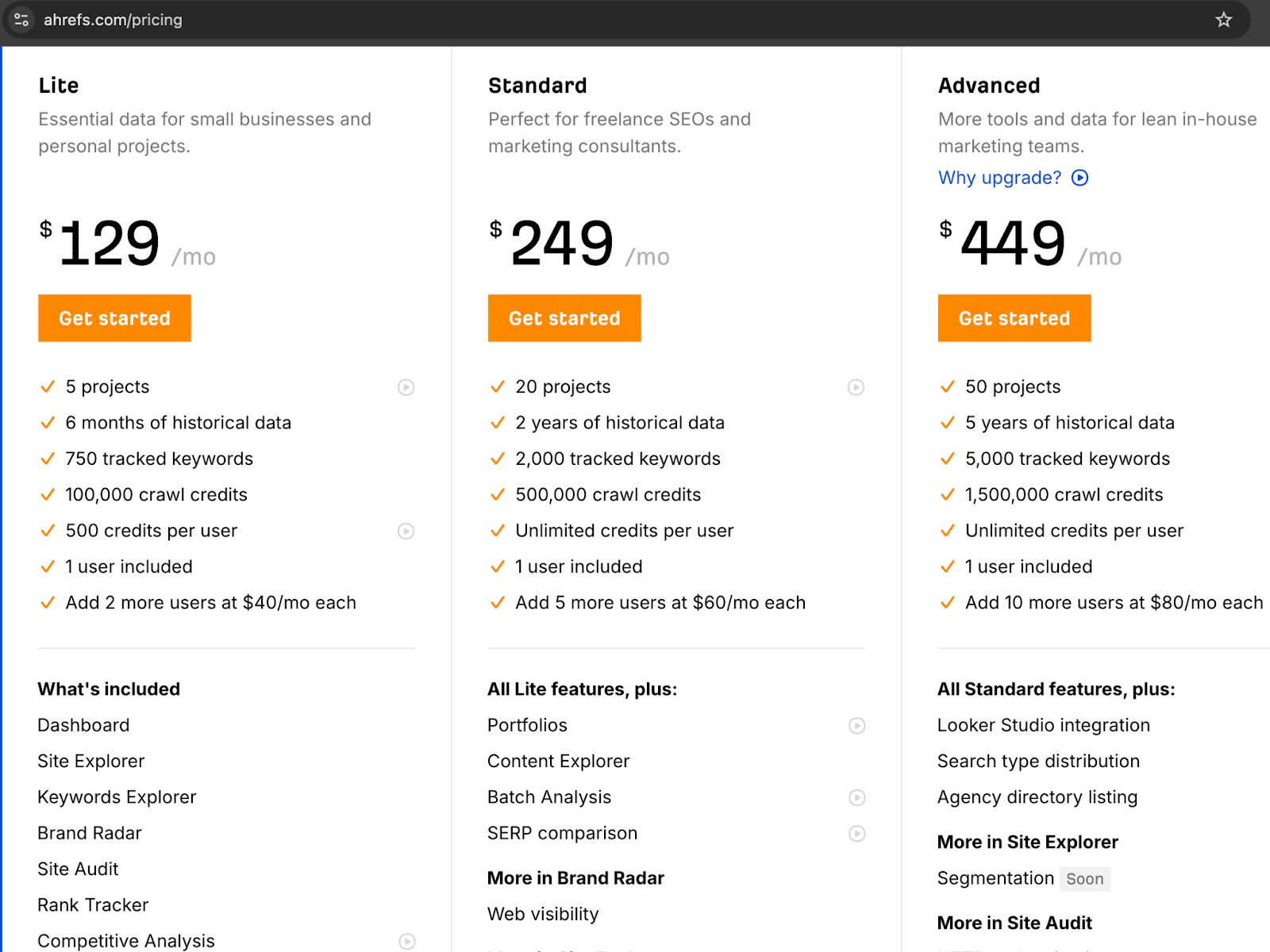
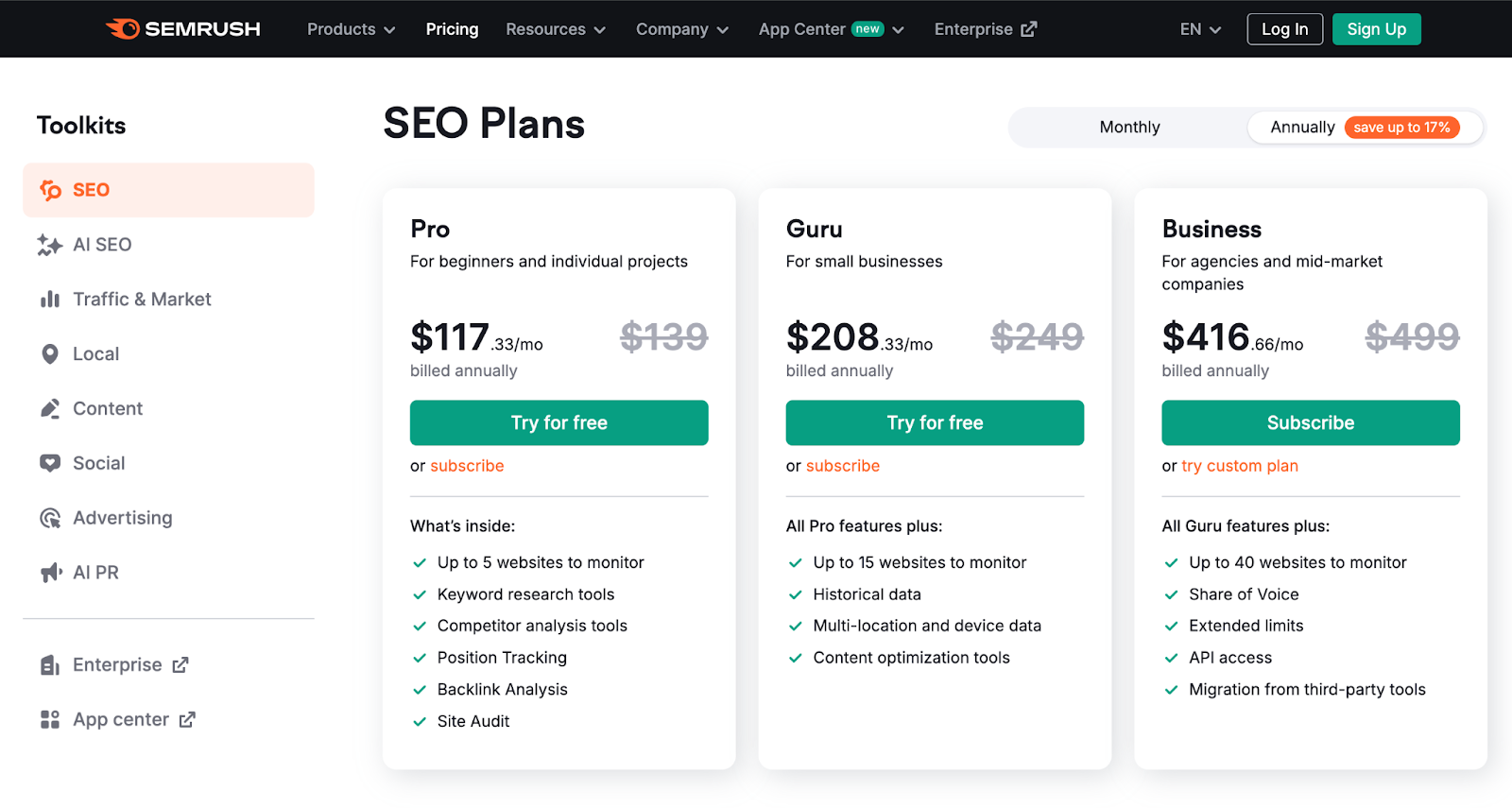
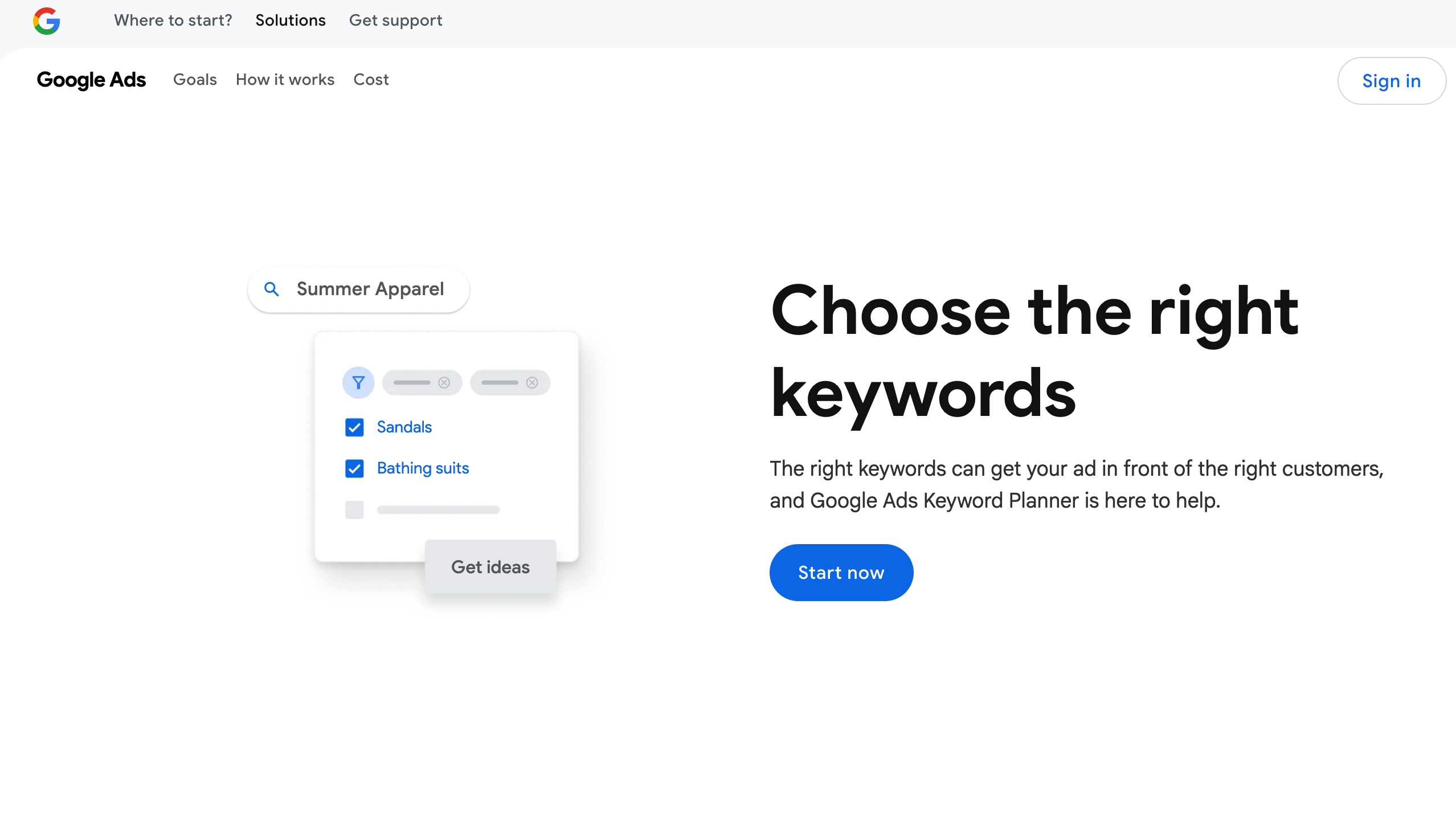
Use free or low-cost tools like Google Trends, SurveyMonkey, or competition analysis platforms to collect data and insights that guide your decisions.
Step 2: Write a Business Plan and Choose a Business Name
A business plan is your roadmap. It keeps goals clear, guides decisions, and proves to investors or lenders that you have a researched, strategic vision.
Start with your mission and goals. Define why your company exists and what it aims to achieve. Clearly explain your product or service so readers understand its value. Then outline your target market and industry trends to show who your customers are and where opportunities exist.
Next, detail your marketing and operations strategy: how you’ll reach customers, deliver your product, and manage day-to-day activities. Follow with your revenue model, including pricing and sales channels. Close with financial forecasts and funding needs, highlighting projected revenue, expenses, and how investment will be used.
- Business Plan Essentials:
- Overview of your product or service
- Target audience and unique selling proposition (USP)
- Industry and competitor analysis
- Marketing and operational strategies
- Financial forecasts and funding needs
- Pick a Strong Business Name: Choose something simple, relevant, and easy to remember. Verify domain availability and ensure it’s not trademarked.
Step 3: Register Your Business and Protect It Legally
Registering your business makes it a legal entity, protects your personal assets, and ensures tax compliance. It also builds credibility with customers and partners.
Next, choose the right structure. Decide whether you’ll operate as a sole proprietorship, partnership, limited liability company (LLC), or corporation. Each structure affects taxes, ownership, and personal liability differently.
When that’s sorted, register your business name with the proper authority to make it official and protect it from use by others. Pick a simple, relevant name that fits your brand, confirm domain availability, and check for trademarks.
Then, secure the licenses and permits your industry requires. Depending on your business, this may include general operating licenses or specific health, safety, or environmental permits.
Step 4: Plan Your Finances
A solid financial plan prevents cash shortages, guides decisions, and shows investors you’re prepared.
Start by estimating startup costs—equipment, inventory, marketing, licenses, and insurance—to know how much funding you’ll need upfront. Then forecast revenue and cash flow for at least the first year to see when you’ll break even and whether extra capital is required.
Evaluate funding options: personal savings, investors, loans, or grants, weighing the trade-offs of each. Finally, open a business bank account and obtain tax IDs to separate finances, simplify bookkeeping, and stay compliant.
Step 5: Build Your Brand and Online Presence
A strong brand makes your business recognizable and trustworthy. Start with a memorable name and a clear logo, then build consistent assets like colors, fonts, and marketing materials.
Register a domain and create a clean, easy-to-use website that explains what you do and how to contact you. Use a professional email tied to your domain to boost credibility.
Establish a social media presence where your audience spends time. Share content that informs, engages, and shows the human side of your brand.
Step 6: Set Up Operations and Tools
Strong operations are the backbone of any brand. Setting up the right systems early saves time, reduces stress, and supports growth.
Plan how you’ll manage supply chain, staffing, and customer support. Even small businesses need clear processes for fulfilling orders, tracking inventory, and handling customers. Use reliable software for accounting, project management, and payments to stay organized.
For solopreneurs, time is the most valuable resource. Automate routine tasks with tools like email schedulers, social media planners, and invoicing software. Use templates for proposals, contracts, and emails to cut repetitive work.
Stay focused by setting distraction-free work periods, turning off notifications, and tackling one task at a time. Track your time and batch similar tasks to boost efficiency.
These simple systems free up time to focus on what truly drives your business forward.
Step 7: Location and Logistics (If Applicable)
Your business location affects how customers see you, how smoothly you operate, and how much you spend. The best option depends on where your customers are and how they prefer to buy.
Online businesses cost less and reach more people, while physical locations build trust and visibility. Some brands benefit from combining both.
Choose a setup that fits your needs: offices offer a professional space, retail shops bring walk-in customers but cost more, and home-based businesses save money but require discipline and compliance with local rules.
Plan for costs like rent, utilities, insurance, shipping, and storage. A solid logistics plan ensures smooth delivery, satisfied customers, and steady growth.
Step 8: Launch Your Business
Your launch shapes your brand’s first impression, so plan it well. Choose between a soft launch to test and gather feedback or a full launch if you already have an engaged audience.
Start marketing early with sneak peeks, behind-the-scenes content, and sign-up incentives to build anticipation. Use a waitlist to collect emails and warm leads.
Treat your first customers well. Thank them, offer perks, and ask for reviews or referrals to build lasting momentum.
Step 9: Marketing and Growing Your Business
Marketing doesn’t stop after launch. It keeps your business visible and growing. Use a mix of online and offline channels that fit your audience and budget.
- Search Engine Optimization (SEO): Optimize your website and content to attract organic traffic..
- Content Marketing: Publish blogs, articles, or videos that educate and build trust.
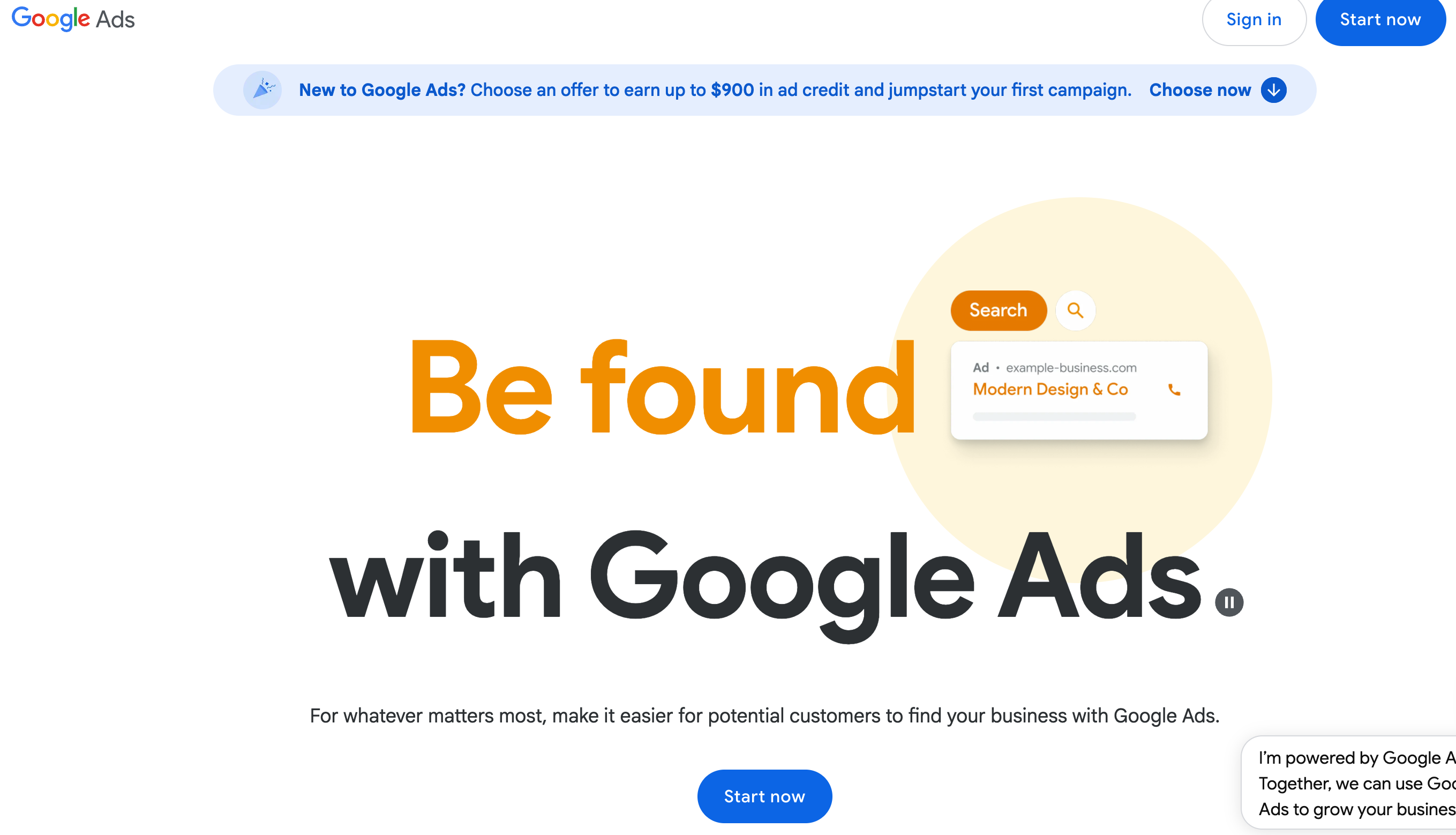
- Paid Ads: Use Google or social media ads for quick visibility.
- Social Media: Post consistently, engage your audience, and run targeted campaigns.
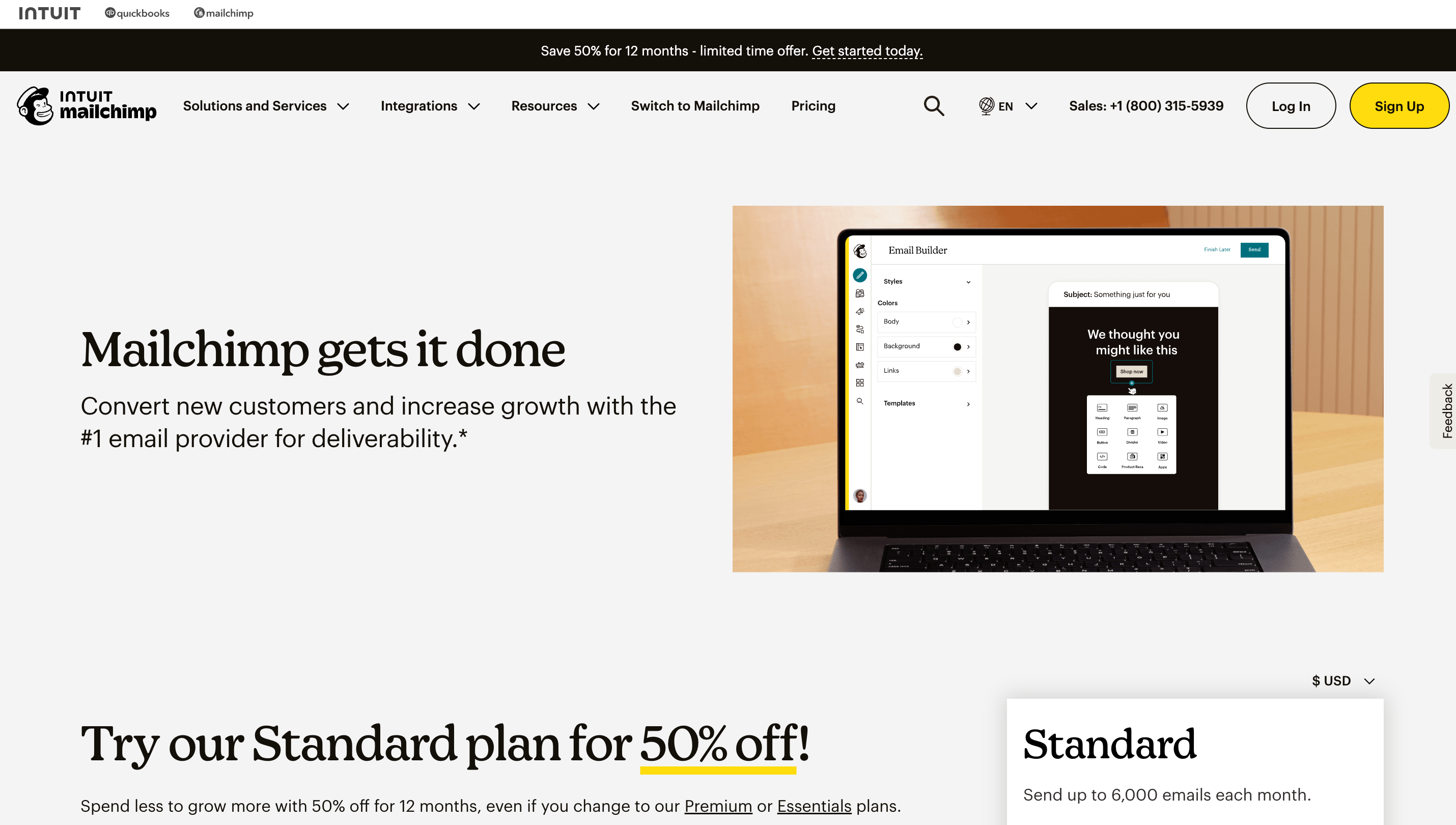
- Email Marketing: Send updates, promotions, and offers to build loyalty.
- In-Person Outreach: Attend events or markets to connect directly with customers.
Focus on the channels your audience uses most and invest where returns are strongest. Encourage referrals, offer rewards, and partner with complementary brands or influencers to expand reach.
Track and improve as you go. Use analytics, sales data, and customer feedback to measure performance. Then refine your strategy to grow faster.
Step 10: Monitor, Optimize & Scale
Effective business management goes beyond launch. It requires continuous scaling, optimization, and monitoring.
Track key metrics such as KPIs, sales, expenses, growth, and finances. Review them regularly—weekly, monthly, or quarterly—to measure progress and guide decisions.
Step 11: Know When to Scale
When it’s time to scale, you need a plan that increases revenue without raising costs, improving profit margins.
It’s time to scale when your business shows steady profits, strong cash flow, growing demand, and efficient, repeatable processes. Ensure you have the right resources—capital, talent, and infrastructure—and a market with room to grow.
Focus on strategic growth: automate repetitive tasks, hire skilled people, and expand offerings or enter new markets. Use tools like cloud systems, CRM, marketing automation, and analytics to manage operations efficiently.
Form partnerships to reach new audiences or share resources, and consider franchising or licensing to grow with lower investment. Secure funding through profits, loans, or investors, and maintain financial discipline. Above all, protect product quality and company culture as you scale.
Common Business Mistakes New Entrepreneurs Make
New businesses often fail due to avoidable mistakes. Recognizing these early can save time, money, and effort. One common error is ignoring customer feedback. Failing to listen to what customers like or dislike makes it harder to improve products, services, and marketing strategies.
Another pitfall is poor financial discipline. Overspending, skipping a realistic budget, or not tracking cash flow can push a business into trouble even if sales look good on paper. Closely linked to this is the mistake of trying to do everything alone. As a business grows, refusing to delegate or hire skilled help leads to burnout and slows progress.
Many founders also underestimate the role of marketing until the last minute. No product can sell itself, and without steady investment in visibility and customer outreach, growth will stall.
Time management plays a role too. When founders misuse their own time, operations bottleneck and important projects suffer. Neglecting legal requirements or failing to adapt to market changes can cause even bigger setbacks.
Conclusion
Starting a business is an achievement worth celebrating. However, to build a successful business in 2026, you need a clear plan, good understanding of your market and a strong brand. This checklist gives you the tools to tackle challenges with confidence.
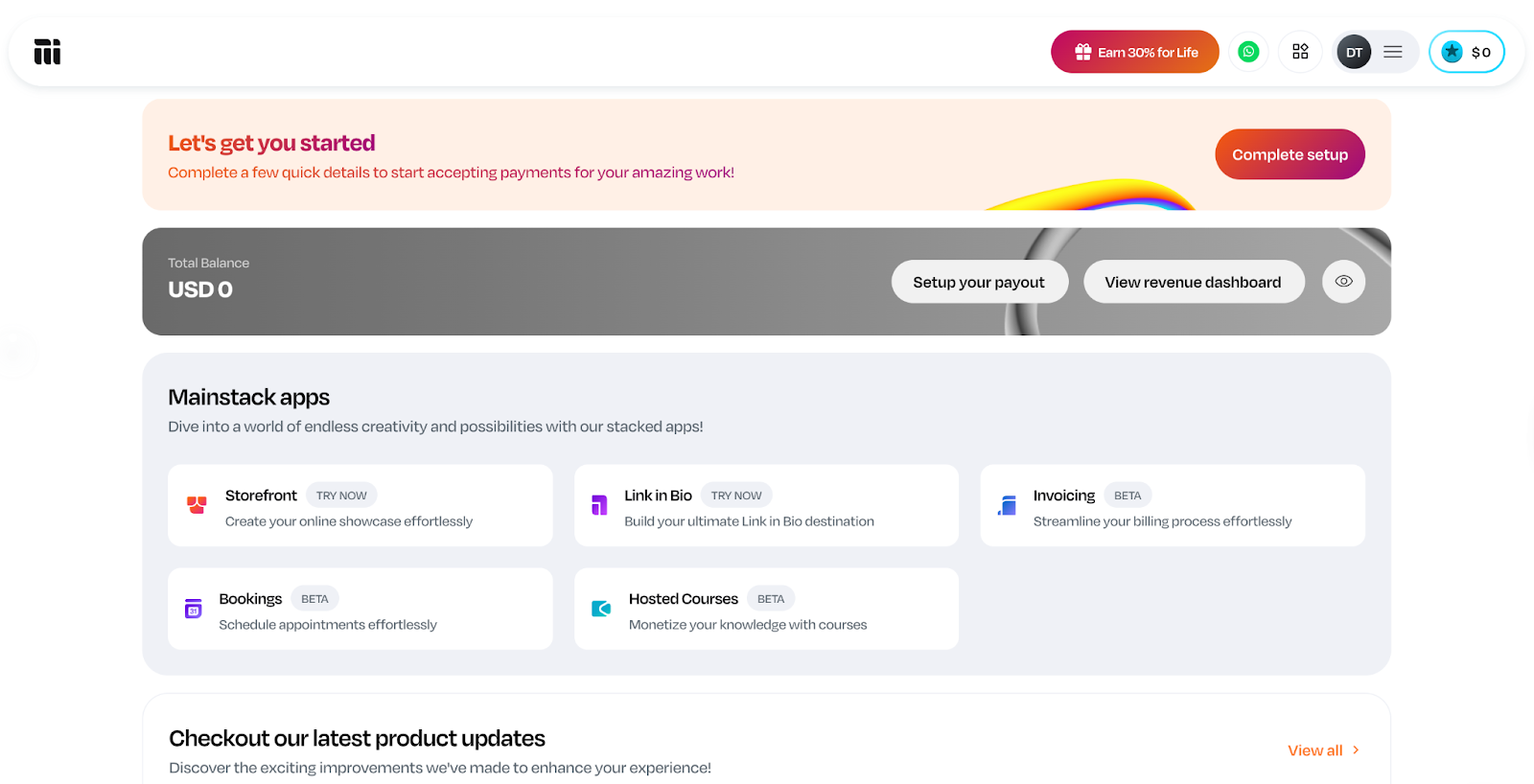
Think of it as your startup toolkit. Download the free checklist and explore Mainstack’s tools to launch, market, and scale your business online.
With over 665 million people launching businesses worldwide, knowing how to start a business in 2026 can set you apart in this booming entrepreneurial era. Yet, most startups fail— not because the ideas lack potential— but because founders stumble on fundamentals like planning, financial management, and legal compliance. .
In this article, we’ll show you a step-by-step guide to start a business in 2026, from ideation to completion. You’ll get actionable tips, checklists and mistakes to get you off to a good start.
Why Starting a Business in 2026 Is Different
Starting a business once meant opening a local shop. In 2026, it means competing in a digital, global market where customers have endless choices.
Here’s why starting a business is different in 2026:
Market Shifts: Digital-first, AI Tools, Remote Work, Global E-commerce
In 2026, people buy, work, and learn online. AI systems help entrepreneurs with marketing, research, and product design to save time and money. Remote work expands hiring globally, and e-commerce platforms let even small businesses sell worldwide from day one.
Regulation & Compliance Updates
Governments have tightened regulations around data privacy, taxes, and employee treatment. Planning ahead cuts costs and builds trust, making compliance both smart and professional.
Opportunities for Lean Startups
Affordable web tools, cloud services, and freelancers mean starting a business no longer requires huge costs. Entrepreneurs can quickly test ideas, adapt, and use software to handle tasks once done by full teams which gives small startups an edge over slower competitors.
10 Steps to Start A Business Today
From idea to launch to covering strategy, legal marketing and growth, there are numerous steps to starting a business as a first-time entrepreneur.
This section covers ten steps to start your business in 2026:
Step 1: Refine & Validate Your Idea
Every successful business starts with a tested idea. Jumping in without a plan, risks wasting time and money. Brainstorm ideas and focus on concepts relevant to your skills and interests. This keeps you motivated and gives you an edge.
Before committing, validate your idea with market research. Use surveys, interview potential customers, or use social media to confirm demand and refine your concept based on real feedback.
Here’s an example from Reddit.
Next, study your competition to understand pricing, demand, and market gaps. This helps you position your idea where it can stand out. From there, build a minimum viable product (MVP) to test your solution in real conditions without heavy upfront costs.
Use free or low-cost tools like Google Trends, SurveyMonkey, or competition analysis platforms to collect data and insights that guide your decisions.
Step 2: Write a Business Plan and Choose a Business Name
A business plan is your roadmap. It keeps goals clear, guides decisions, and proves to investors or lenders that you have a researched, strategic vision.
Start with your mission and goals. Define why your company exists and what it aims to achieve. Clearly explain your product or service so readers understand its value. Then outline your target market and industry trends to show who your customers are and where opportunities exist.
Next, detail your marketing and operations strategy: how you’ll reach customers, deliver your product, and manage day-to-day activities. Follow with your revenue model, including pricing and sales channels. Close with financial forecasts and funding needs, highlighting projected revenue, expenses, and how investment will be used.
- Business Plan Essentials:
- Overview of your product or service
- Target audience and unique selling proposition (USP)
- Industry and competitor analysis
- Marketing and operational strategies
- Financial forecasts and funding needs
- Pick a Strong Business Name: Choose something simple, relevant, and easy to remember. Verify domain availability and ensure it’s not trademarked.
Step 3: Register Your Business and Protect It Legally
Registering your business makes it a legal entity, protects your personal assets, and ensures tax compliance. It also builds credibility with customers and partners.
Next, choose the right structure. Decide whether you’ll operate as a sole proprietorship, partnership, limited liability company (LLC), or corporation. Each structure affects taxes, ownership, and personal liability differently.
When that’s sorted, register your business name with the proper authority to make it official and protect it from use by others. Pick a simple, relevant name that fits your brand, confirm domain availability, and check for trademarks.
Then, secure the licenses and permits your industry requires. Depending on your business, this may include general operating licenses or specific health, safety, or environmental permits.
Step 4: Plan Your Finances
A solid financial plan prevents cash shortages, guides decisions, and shows investors you’re prepared.
Start by estimating startup costs—equipment, inventory, marketing, licenses, and insurance—to know how much funding you’ll need upfront. Then forecast revenue and cash flow for at least the first year to see when you’ll break even and whether extra capital is required.
Evaluate funding options: personal savings, investors, loans, or grants, weighing the trade-offs of each. Finally, open a business bank account and obtain tax IDs to separate finances, simplify bookkeeping, and stay compliant.
Step 5: Build Your Brand and Online Presence
A strong brand makes your business recognizable and trustworthy. Start with a memorable name and a clear logo, then build consistent assets like colors, fonts, and marketing materials.
Register a domain and create a clean, easy-to-use website that explains what you do and how to contact you. Use a professional email tied to your domain to boost credibility.
Establish a social media presence where your audience spends time. Share content that informs, engages, and shows the human side of your brand.
Step 6: Set Up Operations and Tools
Strong operations are the backbone of any brand. Setting up the right systems early saves time, reduces stress, and supports growth.
Plan how you’ll manage supply chain, staffing, and customer support. Even small businesses need clear processes for fulfilling orders, tracking inventory, and handling customers. Use reliable software for accounting, project management, and payments to stay organized.
For solopreneurs, time is the most valuable resource. Automate routine tasks with tools like email schedulers, social media planners, and invoicing software. Use templates for proposals, contracts, and emails to cut repetitive work.
Stay focused by setting distraction-free work periods, turning off notifications, and tackling one task at a time. Track your time and batch similar tasks to boost efficiency.
These simple systems free up time to focus on what truly drives your business forward.
Step 7: Location and Logistics (If Applicable)
Your business location affects how customers see you, how smoothly you operate, and how much you spend. The best option depends on where your customers are and how they prefer to buy.
Online businesses cost less and reach more people, while physical locations build trust and visibility. Some brands benefit from combining both.
Choose a setup that fits your needs: offices offer a professional space, retail shops bring walk-in customers but cost more, and home-based businesses save money but require discipline and compliance with local rules.
Plan for costs like rent, utilities, insurance, shipping, and storage. A solid logistics plan ensures smooth delivery, satisfied customers, and steady growth.
Step 8: Launch Your Business
Your launch shapes your brand’s first impression, so plan it well. Choose between a soft launch to test and gather feedback or a full launch if you already have an engaged audience.
Start marketing early with sneak peeks, behind-the-scenes content, and sign-up incentives to build anticipation. Use a waitlist to collect emails and warm leads.
Treat your first customers well. Thank them, offer perks, and ask for reviews or referrals to build lasting momentum.
Step 9: Marketing and Growing Your Business
Marketing doesn’t stop after launch. It keeps your business visible and growing. Use a mix of online and offline channels that fit your audience and budget.
- Search Engine Optimization (SEO): Optimize your website and content to attract organic traffic..
- Content Marketing: Publish blogs, articles, or videos that educate and build trust.
- Paid Ads: Use Google or social media ads for quick visibility.
- Social Media: Post consistently, engage your audience, and run targeted campaigns.
- Email Marketing: Send updates, promotions, and offers to build loyalty.
- In-Person Outreach: Attend events or markets to connect directly with customers.
Focus on the channels your audience uses most and invest where returns are strongest. Encourage referrals, offer rewards, and partner with complementary brands or influencers to expand reach.
Track and improve as you go. Use analytics, sales data, and customer feedback to measure performance. Then refine your strategy to grow faster.
Step 10: Monitor, Optimize & Scale
Effective business management goes beyond launch. It requires continuous scaling, optimization, and monitoring.
Track key metrics such as KPIs, sales, expenses, growth, and finances. Review them regularly—weekly, monthly, or quarterly—to measure progress and guide decisions.
Step 11: Know When to Scale
When it’s time to scale, you need a plan that increases revenue without raising costs, improving profit margins.
It’s time to scale when your business shows steady profits, strong cash flow, growing demand, and efficient, repeatable processes. Ensure you have the right resources—capital, talent, and infrastructure—and a market with room to grow.
Focus on strategic growth: automate repetitive tasks, hire skilled people, and expand offerings or enter new markets. Use tools like cloud systems, CRM, marketing automation, and analytics to manage operations efficiently.
Form partnerships to reach new audiences or share resources, and consider franchising or licensing to grow with lower investment. Secure funding through profits, loans, or investors, and maintain financial discipline. Above all, protect product quality and company culture as you scale.
Common Business Mistakes New Entrepreneurs Make
New businesses often fail due to avoidable mistakes. Recognizing these early can save time, money, and effort. One common error is ignoring customer feedback. Failing to listen to what customers like or dislike makes it harder to improve products, services, and marketing strategies.
Another pitfall is poor financial discipline. Overspending, skipping a realistic budget, or not tracking cash flow can push a business into trouble even if sales look good on paper. Closely linked to this is the mistake of trying to do everything alone. As a business grows, refusing to delegate or hire skilled help leads to burnout and slows progress.
Many founders also underestimate the role of marketing until the last minute. No product can sell itself, and without steady investment in visibility and customer outreach, growth will stall.
Time management plays a role too. When founders misuse their own time, operations bottleneck and important projects suffer. Neglecting legal requirements or failing to adapt to market changes can cause even bigger setbacks.
Conclusion
Starting a business is an achievement worth celebrating. However, to build a successful business in 2026, you need a clear plan, good understanding of your market and a strong brand. This checklist gives you the tools to tackle challenges with confidence.
Think of it as your startup toolkit. Download the free checklist and explore Mainstack’s tools to launch, market, and scale your business online.
















.png)