
Not every sale needs an ad budget. Many successful affiliate marketers are proving this by growing through community engagement and genuine recommendations instead of paid campaigns.
Currently, Affiliates are doubling their commissions by focusing on community-led marketing, creating organic content, and automating emails that build real relationships, and not just clicks.
This guide will show you how to do the same: turn your affiliate hustle into a steady, scalable system that brings consistent results — no ad spend required.
What Is Affiliate Marketing?
Affiliate marketing is a performance-based model where you earn a commission for every sale or action made through your unique link.
In the past, affiliates relied on paid ads to get quick results. But today, many are shifting to community-driven and content-focused strategies as a more sustainable way to grow and sell.
Why Some Affiliates Are Succeeding Without Ads
A bigger ad budget doesn’t always mean better results. Real growth comes from genuine engagement and consistent value.
Lasting success in affiliate marketing usually comes down to three things:
- Community trust: People buy from those they trust. That trust builds over time through honesty, transparency, and consistent value. When your audience believes in you, they’ll listen to your recommendations.
- Authentic storytelling: Real stories sell better than generic pitches. Sharing your own experiences helps your audience see how a product fits into their lives, creating stronger emotional connections that traditional ads can’t match.
- Smart systems: Tools like email lists, landing pages, and tracking dashboards help you stay organized and keep your audience engaged at every stage. When these systems work together, they create a smooth, predictable path from discovery to purchase.
How to Double Affiliate Sales Without Running Ads (The Playbook)
The best affiliate marketers mix organic strategies with paid ads. That balance helps to boost engagements, as well as conversion rates.
That said, here are some proven ways to double sales without running ads:
1.) Leverage Communities and Niche Forums
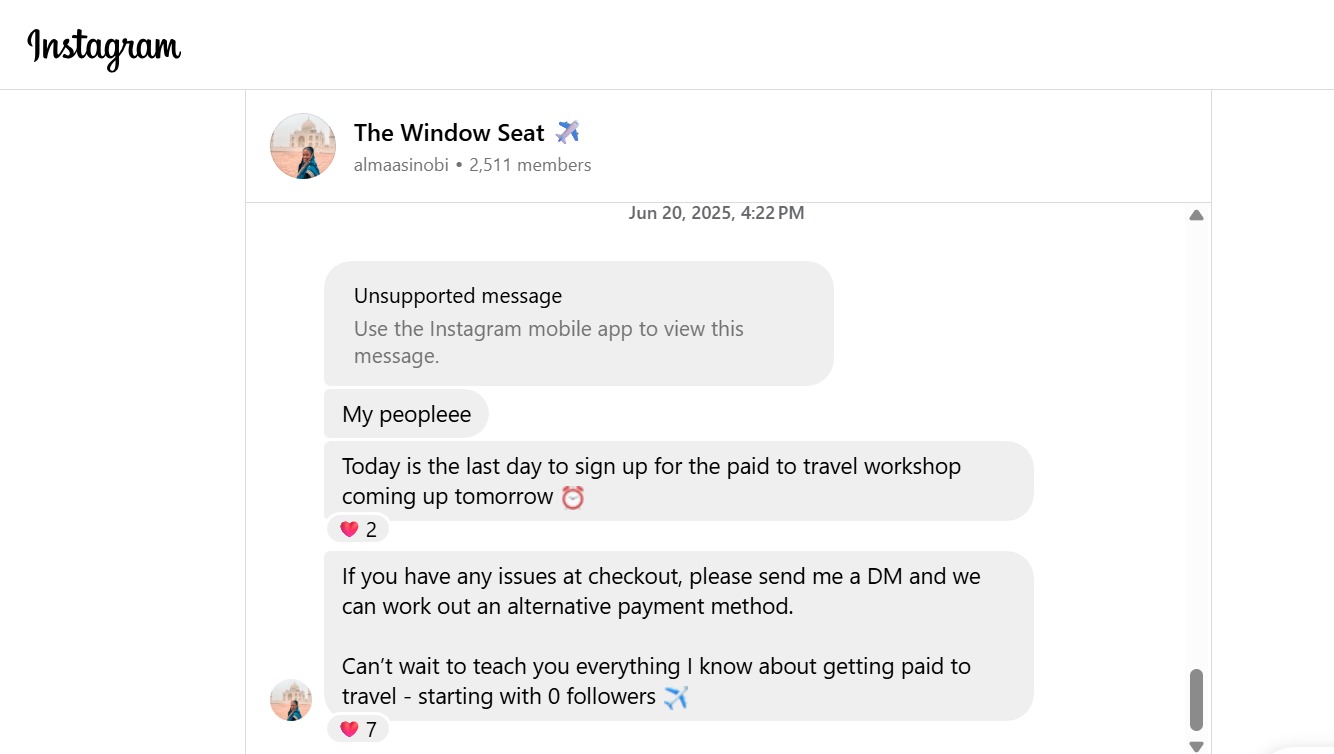
Communities consistently outperform cold ads because it’s built on a foundation of trust which drives conversions better than exposure.
When people connect around shared interests, product recommendations feel natural. That’s why platforms like Facebook Groups, WhatsApp Channels, Telegram, Instagram, and Discord are goldmines for affiliates.
You can create or join communities, share helpful insights, and subtly weave in product mentions without sounding salesy. Instead of hard selling, focus on adding value. Post useful tips, explain how products work, and spark conversations.
Over time, your community starts doing the marketing for you. Members share your recommendations with friends or on social media, expanding your reach without a single naira spent on ads.
These kinds of interactions position affiliates as trusted voices in their niche and ultimately drive consistent sales.
2.) Sell Through Value-Driven Content Marketing
Content marketing is still one of the most dependable ways to drive traffic and sales in affiliate marketing. Writing long-form guides, tutorials, or product comparisons attracts people actively looking for solutions.
Good content naturally positions products as part of the answer. Done well, it brings long-term ROI and passive income without paid promotion.
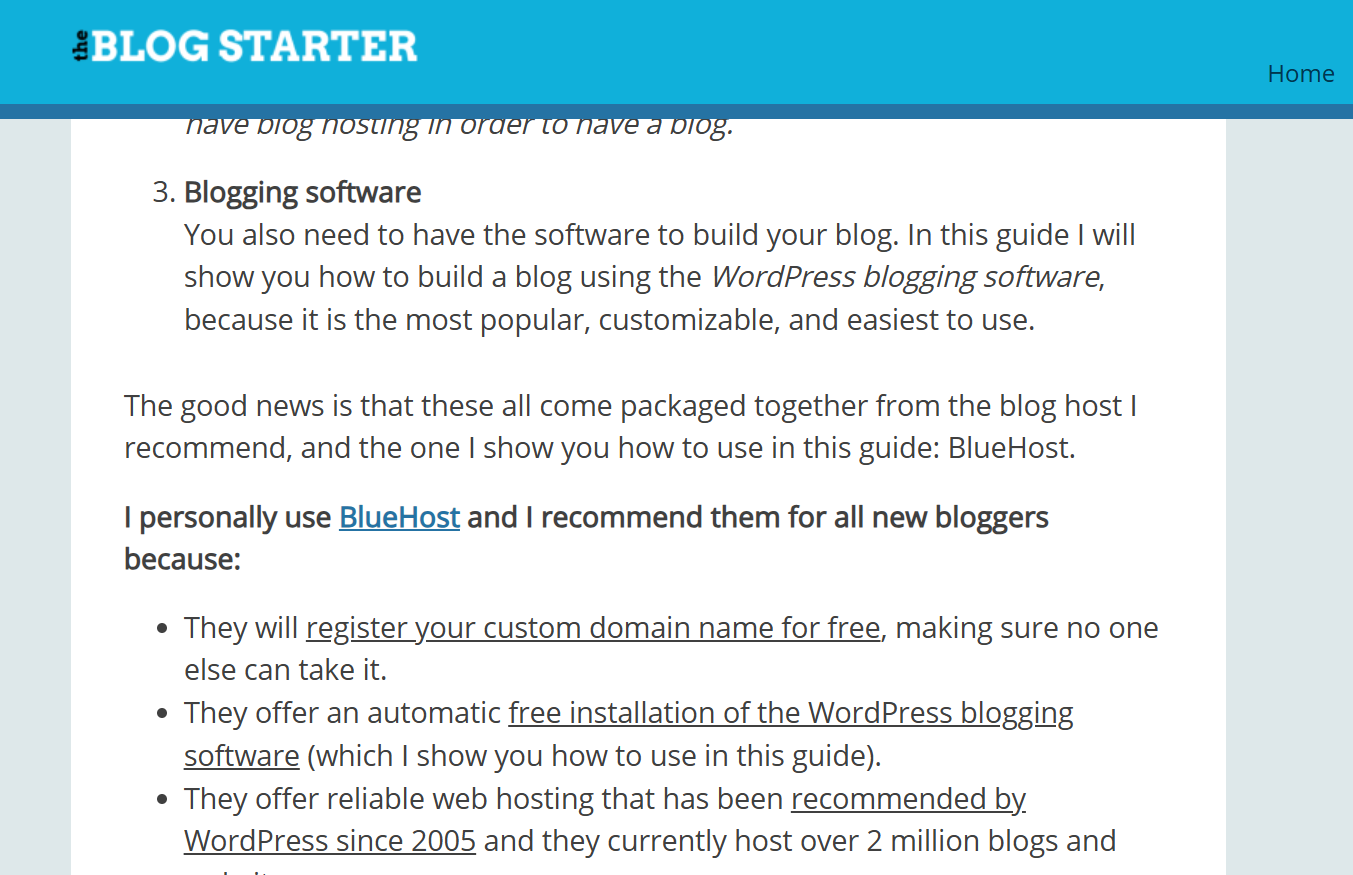
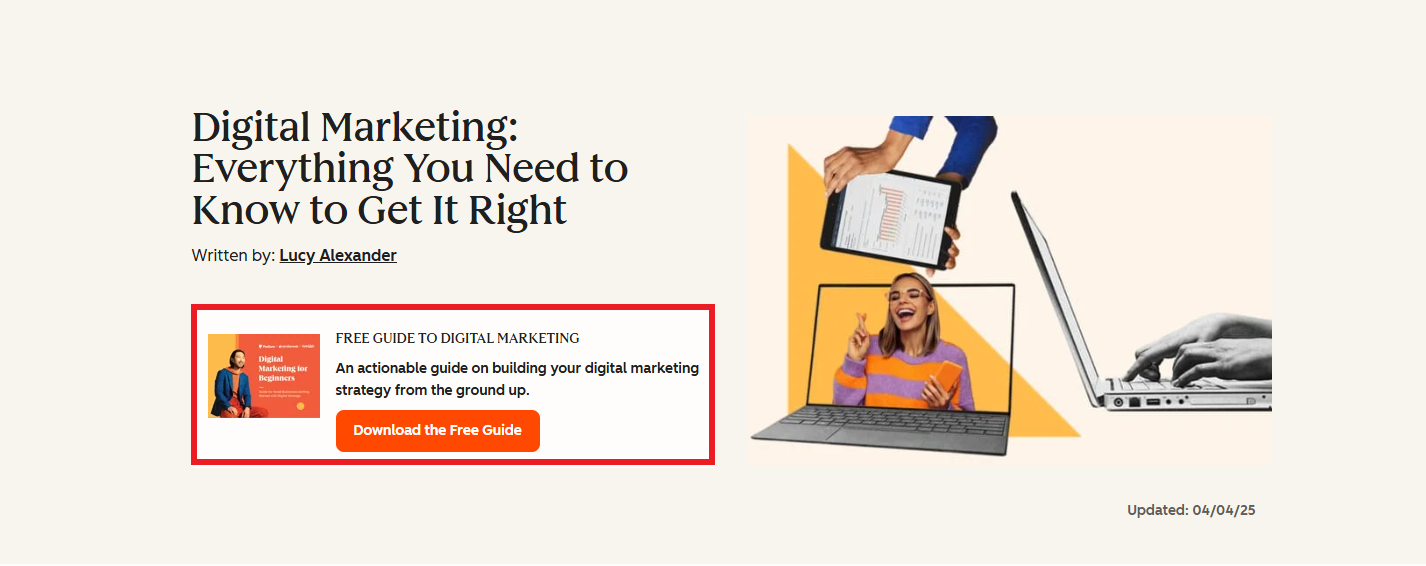
Many bloggers do this successfully by ranking SEO-optimised articles for niche keywords. For example, The Blog Starter promotes hosting platforms like Bluehost through detailed “how to start a blog” guides that rank well on Google.
3.) Post Organic Content on Social Media
Social media is a must for affiliates looking to build trust and visibility without ads. Platforms like Instagram, TikTok, and LinkedIn favour authentic, value-first content.
Many affiliates use short videos, tutorials, and user stories to highlight product benefits. The best content focuses on transformation: “How I solved X problem” or “This tool saved me hours.” The goal is to lead with a relatable story before mentioning the product.
For consistent growth, post 3–4 times per week using formats like:
- Quick tutorials or “how I use this tool” videos.
- Before-and-after clips showing results.
- Mini case studies or walkthroughs tied to personal experiences.
Each post can subtly promote affiliate links while aligning with proven tips and examples that build authority over time.
4.) Use Email Marketing & Build Email Funnels
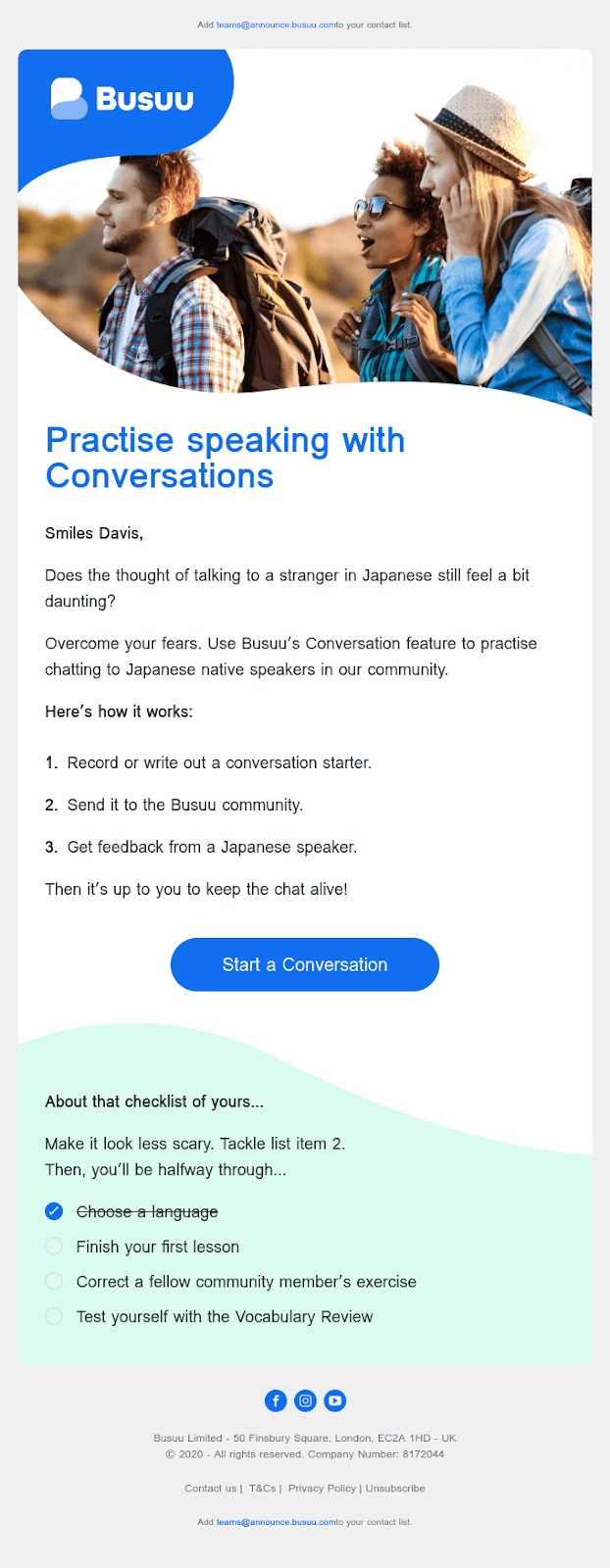
Email marketing is a reliable, algorithm-proof way to drive affiliate traffic. It’s personal, trackable, and helps affiliates build direct relationships with their audience.
A simple email funnel works like this:
- You create an offer, which is a lead magnet (free guide or checklist) to grow your list.
- Once they subscribe, send value-driven emails to build trust.
- Gradually introduce relevant product recommendations as subscribers begin to rely on your insights and trust your affiliate suggestions.
Following these steps positions you as a helpful resource, not just another promoter. For example, Affiliates like Pat Flynn of Smart Passive Income use storytelling emails to share tips, case studies, and examples where he recommends products.
To boost results, segment your list, automate follow-ups, and use storytelling to make recommendations personal. Sections like “tools I use” or “recommended software” help convert cold subscribers.
Creators using Mainstack can add affiliate links to link-in-bio pages or email footers to track clicks and conversions easily.
5.) Webinars, Workshops, and Training Sessions
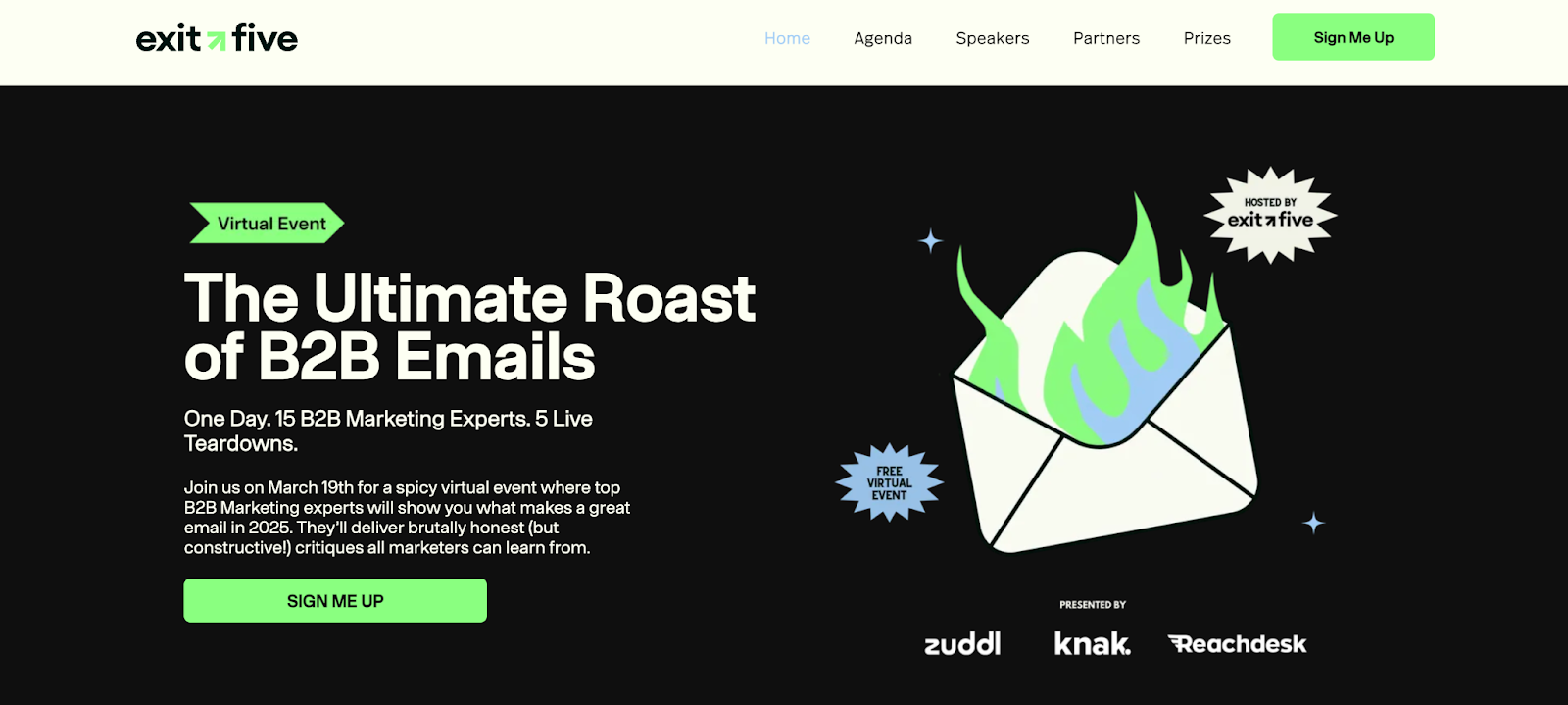
Hosting live sessions — webinars, mini-workshops, or training — lets affiliates show real value before promoting products. These sessions highlight your expertise and position products as solutions to audience problems.
Because attendees are engaged and actively seeking answers, conversions are often higher than with ads. Boost results by adding affiliate links in slides, follow-up emails, or post-event resources.
6.) Product Reviews, Case Studies & Tutorials with Personal Experience
Sharing first-hand experience through product reviews, case studies, or tutorials is another way to build trust and drive organic conversions. In this approach, affiliates demonstrate how a product works in real life, highlighting before-and-after results and explaining why it’s effective.
They work well because they combine transparency with value. Embedding affiliate links lets audiences see the product in action, boosting engagement and conversions.
For instance, Poll the People’s AI affiliate case study shows how data-driven storytelling builds credibility, while Growett’s Affiliate Marketing Case Study demonstrates how honest reviews and detailed walkthroughs drive profit.

Such content doubles as both education and persuasion, making it a key part of any affiliate marketing strategy.
7.) Upsell & Cross-Sell Within Your Own Products or Content
Upselling encourages customers to buy a premium or upgraded version of what they already want, while cross-selling suggests complementary products that add value. Both work best when they feel like a natural next step.
For example, if someone buys your “Beginner’s Guide to Freelancing,” you could upsell them a “Pro Freelancer Toolkit” with templates and pitch decks. Or, if you teach personal finance, offer customizable budget or investment templates as an upsell.
Adding these offers at the end of a lesson or during checkout not only boosts revenue. It helps your audience take the next step in their journey with you.
8.) Use In-Content Affiliate Links Smartly
Affiliate links work best when they appear naturally within valuable content, as opposed to being crammed into sidebars or footers. Place them inside paragraphs that discuss related topics, tools, or strategies..
You can also boost conversions by updating old posts. For example, add a quick note like, “Updated for 2025 — here are my go-to tools for creators this year,” and include your affiliate links.
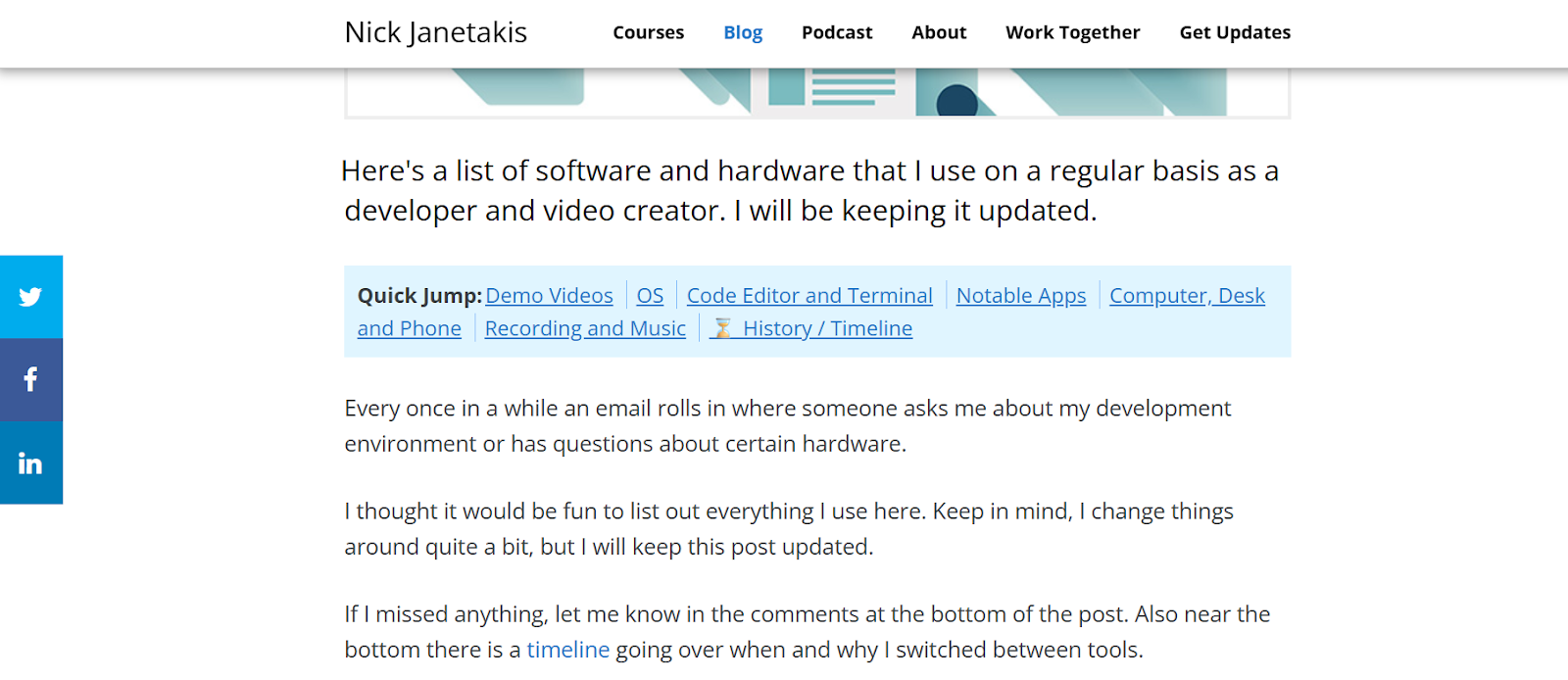
This way, you earn from content you’ve already written while keeping it fresh and useful for readers.
9.) Build Partnerships and Guest Post on Relevant Platforms
Guest posting is a great way to reach new audiences without paid ads.
Writing for established blogs in your niche lets you showcase your expertise and subtly promote affiliate products. This could either be through direct links or by linking back to your own content with affiliate recommendations.
10.) Leverage Established Platforms (e.g. YouTube, Medium)
Publishing content on platforms like YouTube and Medium is one of the best ways to grow your reach without ads. Tutorials, case studies, and in-depth articles with affiliate links attract high-intent audiences actively looking for solutions. Video proof also boosts credibility and conversions since people can see real results.
Listing affiliate products on general marketplaces like Facebook Marketplace isn’t ideal; it can violate their affiliate program policies. Instead, showcase your offers on your own landing page or link-in-bio setup.
Platforms like Mainstack make this easy by letting you organise products, track clicks, and automate promotions while staying compliant. This keeps your setup transparent, policy-safe, and professional — all in one place
11.) Convert “Free” Users Into Buyers Via Freemium or Lead Magnet
A sustainable affiliate strategy starts with offering something free that leads naturally to a paid upgrade. This could be a freemium tool, a limited-access mini course, or a downloadable template with advanced versions behind a paywall.
When the free version delivers enough value, people are more likely to explore the premium option, and if that upgrade includes affiliate products or tools, conversions happen organically.
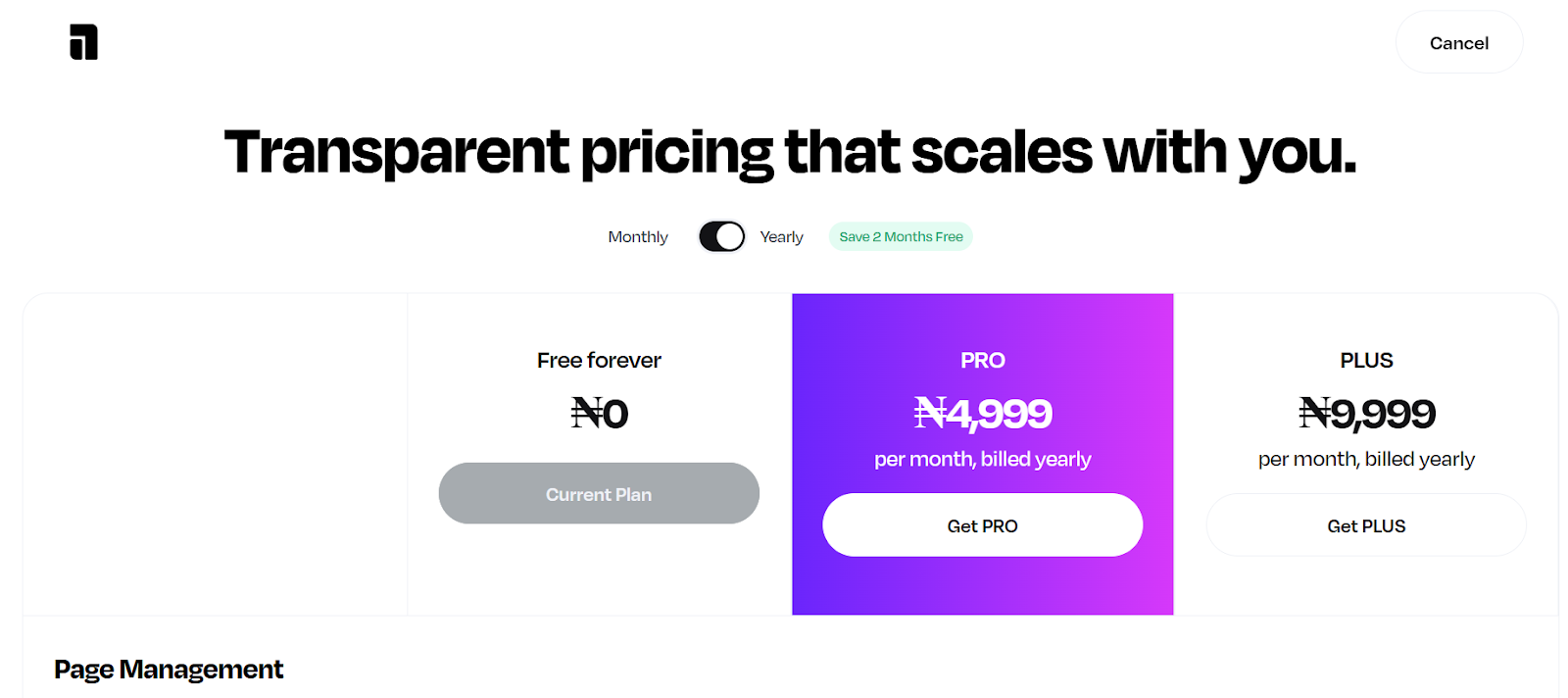
This works because the audience has already seen value before being asked to buy. It’s a low-pressure way to build trust, nurture interest, and gradually convert free users into paying customers.
Common Mistakes That Hurt Organic Affiliate Sales
Many affiliates hold themselves back with habits that hurt trust and credibility. The goal isn’t simply to “promote” a product; to show genuine value and earn attention. When that balance is off, sales drop. Here are common mistakes
- Being overly salesy in posts: Constantly pitching products without context makes people tune out. Focus on storytelling, show results, and weave recommendations naturally into valuable content.
- Not building an email list: Relying only on social media means you’re at the mercy of algorithms. Build a mailing list so you can reach your audience directly and share affiliate content consistently
- Neglecting community engagement: Dropping links without joining conversations makes you look disconnected. Engage, answer questions, and offer help as it builds trust and credibility
- Ignoring analytics and audience feedback: Analytics show what drives clicks and conversions. Ignoring that means you’re guessing instead of improving.
- Promoting too many random products: Recommending unrelated items confuses your audience and weakens your authority. Stick to products that align with your niche so your audience sees you as a trusted source, not just another promoter.
Conclusion
Affiliate marketing works best when it’s grounded in strategy, authenticity, and consistent effort. By applying the methods outlined in this affiliate marketing playbook, you can turn your promotions into steady income streams.
If you want to get started with affiliate marketing, you can sign up on Mainstack at zero cost to launch and manage your offers easily.
Not every sale needs an ad budget. Many successful affiliate marketers are proving this by growing through community engagement and genuine recommendations instead of paid campaigns.
Currently, Affiliates are doubling their commissions by focusing on community-led marketing, creating organic content, and automating emails that build real relationships, and not just clicks.
This guide will show you how to do the same: turn your affiliate hustle into a steady, scalable system that brings consistent results — no ad spend required.
What Is Affiliate Marketing?
Affiliate marketing is a performance-based model where you earn a commission for every sale or action made through your unique link.
In the past, affiliates relied on paid ads to get quick results. But today, many are shifting to community-driven and content-focused strategies as a more sustainable way to grow and sell.
Why Some Affiliates Are Succeeding Without Ads
A bigger ad budget doesn’t always mean better results. Real growth comes from genuine engagement and consistent value.
Lasting success in affiliate marketing usually comes down to three things:
- Community trust: People buy from those they trust. That trust builds over time through honesty, transparency, and consistent value. When your audience believes in you, they’ll listen to your recommendations.
- Authentic storytelling: Real stories sell better than generic pitches. Sharing your own experiences helps your audience see how a product fits into their lives, creating stronger emotional connections that traditional ads can’t match.
- Smart systems: Tools like email lists, landing pages, and tracking dashboards help you stay organized and keep your audience engaged at every stage. When these systems work together, they create a smooth, predictable path from discovery to purchase.
How to Double Affiliate Sales Without Running Ads (The Playbook)
The best affiliate marketers mix organic strategies with paid ads. That balance helps to boost engagements, as well as conversion rates.
That said, here are some proven ways to double sales without running ads:
1.) Leverage Communities and Niche Forums
Communities consistently outperform cold ads because it’s built on a foundation of trust which drives conversions better than exposure.
When people connect around shared interests, product recommendations feel natural. That’s why platforms like Facebook Groups, WhatsApp Channels, Telegram, Instagram, and Discord are goldmines for affiliates.
You can create or join communities, share helpful insights, and subtly weave in product mentions without sounding salesy. Instead of hard selling, focus on adding value. Post useful tips, explain how products work, and spark conversations.
Over time, your community starts doing the marketing for you. Members share your recommendations with friends or on social media, expanding your reach without a single naira spent on ads.
These kinds of interactions position affiliates as trusted voices in their niche and ultimately drive consistent sales.
2.) Sell Through Value-Driven Content Marketing
Content marketing is still one of the most dependable ways to drive traffic and sales in affiliate marketing. Writing long-form guides, tutorials, or product comparisons attracts people actively looking for solutions.
Good content naturally positions products as part of the answer. Done well, it brings long-term ROI and passive income without paid promotion.
Many bloggers do this successfully by ranking SEO-optimised articles for niche keywords. For example, The Blog Starter promotes hosting platforms like Bluehost through detailed “how to start a blog” guides that rank well on Google.
3.) Post Organic Content on Social Media
Social media is a must for affiliates looking to build trust and visibility without ads. Platforms like Instagram, TikTok, and LinkedIn favour authentic, value-first content.
Many affiliates use short videos, tutorials, and user stories to highlight product benefits. The best content focuses on transformation: “How I solved X problem” or “This tool saved me hours.” The goal is to lead with a relatable story before mentioning the product.
For consistent growth, post 3–4 times per week using formats like:
- Quick tutorials or “how I use this tool” videos.
- Before-and-after clips showing results.
- Mini case studies or walkthroughs tied to personal experiences.
Each post can subtly promote affiliate links while aligning with proven tips and examples that build authority over time.
4.) Use Email Marketing & Build Email Funnels
Email marketing is a reliable, algorithm-proof way to drive affiliate traffic. It’s personal, trackable, and helps affiliates build direct relationships with their audience.
A simple email funnel works like this:
- You create an offer, which is a lead magnet (free guide or checklist) to grow your list.
- Once they subscribe, send value-driven emails to build trust.
- Gradually introduce relevant product recommendations as subscribers begin to rely on your insights and trust your affiliate suggestions.
Following these steps positions you as a helpful resource, not just another promoter. For example, Affiliates like Pat Flynn of Smart Passive Income use storytelling emails to share tips, case studies, and examples where he recommends products.
To boost results, segment your list, automate follow-ups, and use storytelling to make recommendations personal. Sections like “tools I use” or “recommended software” help convert cold subscribers.
Creators using Mainstack can add affiliate links to link-in-bio pages or email footers to track clicks and conversions easily.
5.) Webinars, Workshops, and Training Sessions
Hosting live sessions — webinars, mini-workshops, or training — lets affiliates show real value before promoting products. These sessions highlight your expertise and position products as solutions to audience problems.
Because attendees are engaged and actively seeking answers, conversions are often higher than with ads. Boost results by adding affiliate links in slides, follow-up emails, or post-event resources.
6.) Product Reviews, Case Studies & Tutorials with Personal Experience
Sharing first-hand experience through product reviews, case studies, or tutorials is another way to build trust and drive organic conversions. In this approach, affiliates demonstrate how a product works in real life, highlighting before-and-after results and explaining why it’s effective.
They work well because they combine transparency with value. Embedding affiliate links lets audiences see the product in action, boosting engagement and conversions.
For instance, Poll the People’s AI affiliate case study shows how data-driven storytelling builds credibility, while Growett’s Affiliate Marketing Case Study demonstrates how honest reviews and detailed walkthroughs drive profit.
Such content doubles as both education and persuasion, making it a key part of any affiliate marketing strategy.
7.) Upsell & Cross-Sell Within Your Own Products or Content
Upselling encourages customers to buy a premium or upgraded version of what they already want, while cross-selling suggests complementary products that add value. Both work best when they feel like a natural next step.
For example, if someone buys your “Beginner’s Guide to Freelancing,” you could upsell them a “Pro Freelancer Toolkit” with templates and pitch decks. Or, if you teach personal finance, offer customizable budget or investment templates as an upsell.
Adding these offers at the end of a lesson or during checkout not only boosts revenue. It helps your audience take the next step in their journey with you.
8.) Use In-Content Affiliate Links Smartly
Affiliate links work best when they appear naturally within valuable content, as opposed to being crammed into sidebars or footers. Place them inside paragraphs that discuss related topics, tools, or strategies..
You can also boost conversions by updating old posts. For example, add a quick note like, “Updated for 2025 — here are my go-to tools for creators this year,” and include your affiliate links.
This way, you earn from content you’ve already written while keeping it fresh and useful for readers.
9.) Build Partnerships and Guest Post on Relevant Platforms
Guest posting is a great way to reach new audiences without paid ads.
Writing for established blogs in your niche lets you showcase your expertise and subtly promote affiliate products. This could either be through direct links or by linking back to your own content with affiliate recommendations.
10.) Leverage Established Platforms (e.g. YouTube, Medium)
Publishing content on platforms like YouTube and Medium is one of the best ways to grow your reach without ads. Tutorials, case studies, and in-depth articles with affiliate links attract high-intent audiences actively looking for solutions. Video proof also boosts credibility and conversions since people can see real results.
Listing affiliate products on general marketplaces like Facebook Marketplace isn’t ideal; it can violate their affiliate program policies. Instead, showcase your offers on your own landing page or link-in-bio setup.
Platforms like Mainstack make this easy by letting you organise products, track clicks, and automate promotions while staying compliant. This keeps your setup transparent, policy-safe, and professional — all in one place
11.) Convert “Free” Users Into Buyers Via Freemium or Lead Magnet
A sustainable affiliate strategy starts with offering something free that leads naturally to a paid upgrade. This could be a freemium tool, a limited-access mini course, or a downloadable template with advanced versions behind a paywall.
When the free version delivers enough value, people are more likely to explore the premium option, and if that upgrade includes affiliate products or tools, conversions happen organically.
This works because the audience has already seen value before being asked to buy. It’s a low-pressure way to build trust, nurture interest, and gradually convert free users into paying customers.
Common Mistakes That Hurt Organic Affiliate Sales
Many affiliates hold themselves back with habits that hurt trust and credibility. The goal isn’t simply to “promote” a product; to show genuine value and earn attention. When that balance is off, sales drop. Here are common mistakes
- Being overly salesy in posts: Constantly pitching products without context makes people tune out. Focus on storytelling, show results, and weave recommendations naturally into valuable content.
- Not building an email list: Relying only on social media means you’re at the mercy of algorithms. Build a mailing list so you can reach your audience directly and share affiliate content consistently
- Neglecting community engagement: Dropping links without joining conversations makes you look disconnected. Engage, answer questions, and offer help as it builds trust and credibility
- Ignoring analytics and audience feedback: Analytics show what drives clicks and conversions. Ignoring that means you’re guessing instead of improving.
- Promoting too many random products: Recommending unrelated items confuses your audience and weakens your authority. Stick to products that align with your niche so your audience sees you as a trusted source, not just another promoter.
Conclusion
Affiliate marketing works best when it’s grounded in strategy, authenticity, and consistent effort. By applying the methods outlined in this affiliate marketing playbook, you can turn your promotions into steady income streams.
If you want to get started with affiliate marketing, you can sign up on Mainstack at zero cost to launch and manage your offers easily.
mainstack.com







.png)