Blog Hero  Image

The Ultimate Guide to Accept Global Payments Without Multiple Business Registrations in 2025

Author Image
Mainstack Editorial Team
August 25, 2025
10 min read

Cross-border transactions make up 40% of global e-commerce, yet businesses struggle with fragmented payment systems and regulatory hurdles. As a digital content provider, education provider, or professional services provider, your market is global. However, most businesses face a significant stumbling block: the complexity of business registrations, compliance, and payment processing barriers that vary from country to country.

This challenge leads to an inefficient solution: establishing separate business entities in multiple countries, each with its own payment processing system. The result is fragmented operations, administrative complexity, and significant costs that make global expansion prohibitive for all but the largest enterprises.

This guide explores how businesses can accept payments globally without the burden of multiple business registrations, using an integrated approach that simplifies international commerce.

The Challenge of Traditional Global Payment Systems

Africa's digital economy is booming. Nigeria's fintech sector is thriving, Ghana's mobile money adoption is soaring, Kenya's M-Pesa has set a global standard, and South Africa's tech ecosystem is a continental leader. Yet many African businesses struggle to scale beyond their borders.

The cost of establishing a legal entity in a foreign market ranges from $5,000 to $20,000 per country, including legal fees, registration, and compliance costs, with annual maintenance adding $2,000–$10,000. For small to medium enterprises (SMEs), educational institutions, and individual creators, this represents a significant barrier.

Consider a tutor in Nairobi wanting to offer coding lessons to students in the UK, or a consultant in Accra aiming to advise a startup in Canada. Without a streamlined system for multi-currency payments, these businesses face delays, lost revenue, and frustrated customers.

Traditionally, accepting payments from customers in different countries has involved several complicated steps:

  • Establishing legal entities in each target market with unique legal systems and requirements
  • Opening bank accounts in each region to meet payment processor requirements
  • Setting up separate payment processors for different regions, leading to fragmented systems
  • Navigating complex compliance requirements, including tax regulations, data protection laws, and financial reporting
  • Managing separate platforms for storefront management, course delivery, invoicing, and other operations

This approach creates significant challenges, including high costs, administrative burden, fragmented customer data, limited scalability, and delayed market entry. For African businesses, this traditional model makes global expansion feel impossible.

The Integrated Solution for Global Payments

An integrated approach to global payments eliminates the need for multiple business registrations while providing the capabilities required to operate internationally. 45% of African businesses using integrated payment platforms reported a 20%+ increase in international sales within six months.

A woman using her macbook and holding a credit card

Payment Orchestration vs. Payment Processing

The key difference in modern approaches is payment orchestration rather than direct processing. Payment orchestrators like Mainstack act as intermediaries that:

  • Connect to multiple payment methods and processors behind the scenes
  • Handle currency conversion and routing
  • Manage compliance and regulatory requirements
  • Present a single, unified payment system to both the business and customer

This orchestration layer allows businesses to accept payments globally through a single platform, without establishing separate entities in each market.

Multi-Currency Support

A robust global payment solution must prioritize multi-currency payments. For African businesses, this capability is critical to serving a diverse, international clientele. A platform like Mainstack offers:

  • Ability to price products and services in local currencies
  • Automatic currency conversion at competitive rates
  • Settlement options in your preferred currency
  • Real-time exchange rate updates

This gives customers the comfort of paying in their local currency while allowing you to manage your finances in your preferred currency.

Integrated Business Tools

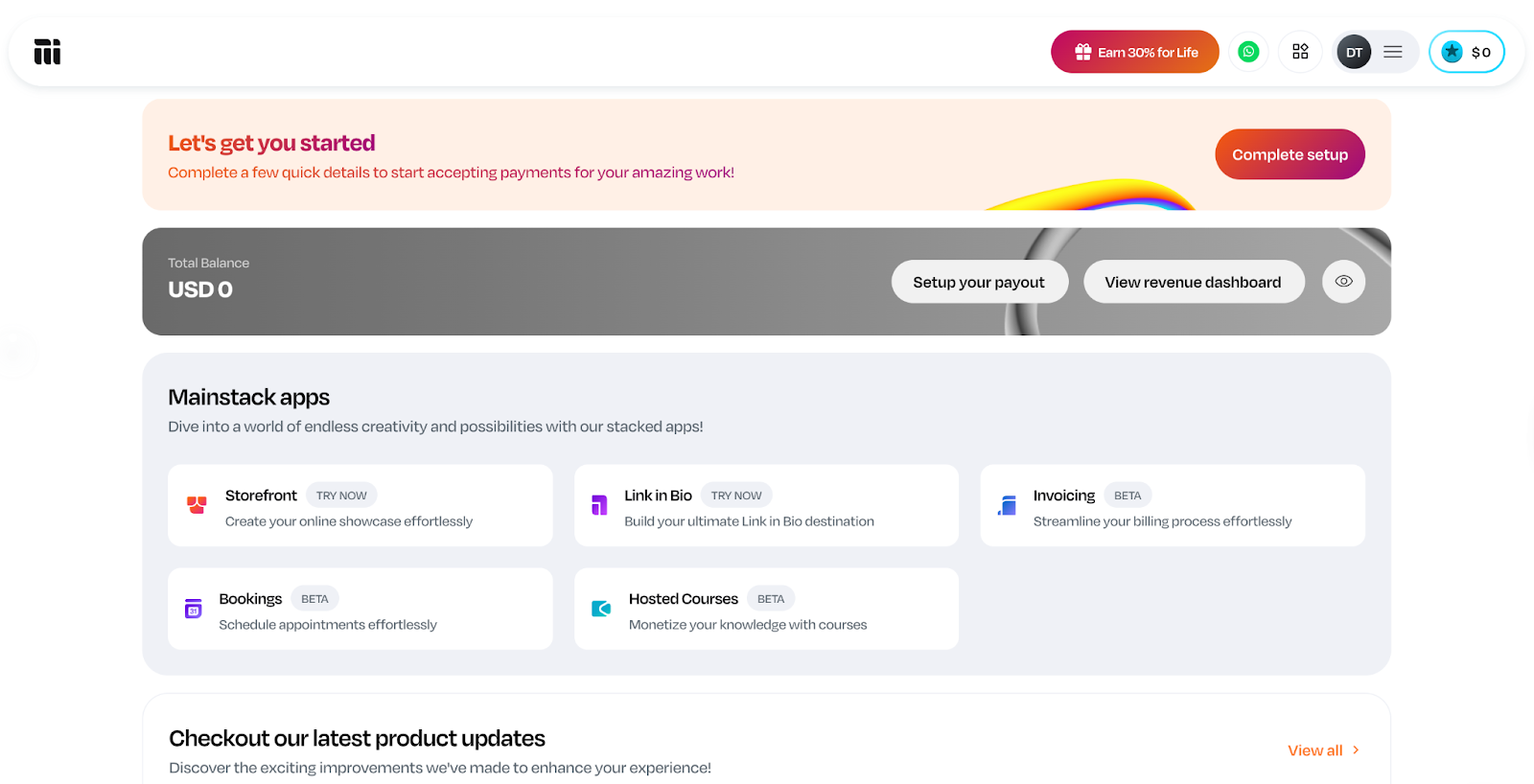
Beyond payments, an integrated solution provides tools required to run your global business, just like what Mainstack offers:

  • Storefront – Sell products and services with built-in multi-currency pricing
  • Hosted Courses – Share knowledge and monetize expertise with global student support
  • Bookings – Schedule and manage appointments across time zones
  • Invoicing – Send professional, customizable invoices in local currencies
  • Link in Bio – Centralize your online presence with a dynamic, customizable link

Implementation Guide for Global Payment Solutions

Step 1: Choose the Right Payment Orchestration Platform

When selecting a platform, look for these essential features:

  • Truly global capability to accept payments from all target markets without country restrictions
  • Multi-currency support with the ability to price and accept payments in 135+ currencies
  • Integrated business tools including a storefront, a course platform, a booking system, and invoicing capabilities
  • Unified dashboard for managing all aspects of your global business
  • Compliance management with built-in features that handle regional tax and regulatory requirements

Mainstack is designed specifically to address these needs, offering a comprehensive solution for global payments without the complexity of multiple business registrations.

Step 2: Set Up Your Global Payment Structure

Setting up your global payment structure is straightforward:

  1. Create your account on a payment orchestration platform like Mainstack
  2. Verify your business information through a single verification process
  3. Set up your payment preferences, including currencies and settlement preferences
  4. Configure your business tools for your specific needs
  5. Add your products or services with prices in multiple currencies

The entire process can be completed in under 30 minutes, compared to the weeks or months required for traditional multi-country setups.

Step 3: Optimize Your Global Offering

With your payment infrastructure in place, focus on optimizing your global business:

  • Localize your offerings beyond currency to customize for different markets
  • Implement smart pricing strategies that account for local market conditions
  • Leverage global analytics to identify trends and opportunities across markets
  • Scale efficiently by entering new markets without additional registration processes

The digital payments market is expected to reach $20.37 trillion by the last quarter of 2025. The shift toward integrated global payment solutions represents a fundamental change in how businesses operate internationally. By removing the barriers of multiple registrations and fragmented systems, companies of all sizes can now enter global markets more quickly, scale operations efficiently, and focus resources on growth rather than administration.

For African businesses, this shift is especially transformative, allowing business owners, creators, and entrepreneurs in Nigeria, Ghana, Kenya, and South Africa to reach global customers just as easily as their counterparts in the U.S. or Europe.

The ability to accept payments globally without multiple business registrations is available today through integrated platforms. By taking an approach that combines payment orchestration with essential business tools, companies of all sizes can now build truly global operations without the traditional burdens of multiple registrations.

Your customers worldwide are waiting. With the right approach to global payments, you can reach them without the complexity that has traditionally limited international expansion.

Sign up today for free on Mainstack and start getting paid globally in 135+ currencies without multiple business registrations.

Cross-border transactions make up 40% of global e-commerce, yet businesses struggle with fragmented payment systems and regulatory hurdles. As a digital content provider, education provider, or professional services provider, your market is global. However, most businesses face a significant stumbling block: the complexity of business registrations, compliance, and payment processing barriers that vary from country to country.

This challenge leads to an inefficient solution: establishing separate business entities in multiple countries, each with its own payment processing system. The result is fragmented operations, administrative complexity, and significant costs that make global expansion prohibitive for all but the largest enterprises.

This guide explores how businesses can accept payments globally without the burden of multiple business registrations, using an integrated approach that simplifies international commerce.

The Challenge of Traditional Global Payment Systems

Africa's digital economy is booming. Nigeria's fintech sector is thriving, Ghana's mobile money adoption is soaring, Kenya's M-Pesa has set a global standard, and South Africa's tech ecosystem is a continental leader. Yet many African businesses struggle to scale beyond their borders.

The cost of establishing a legal entity in a foreign market ranges from $5,000 to $20,000 per country, including legal fees, registration, and compliance costs, with annual maintenance adding $2,000–$10,000. For small to medium enterprises (SMEs), educational institutions, and individual creators, this represents a significant barrier.

Consider a tutor in Nairobi wanting to offer coding lessons to students in the UK, or a consultant in Accra aiming to advise a startup in Canada. Without a streamlined system for multi-currency payments, these businesses face delays, lost revenue, and frustrated customers.

Traditionally, accepting payments from customers in different countries has involved several complicated steps:

  • Establishing legal entities in each target market with unique legal systems and requirements
  • Opening bank accounts in each region to meet payment processor requirements
  • Setting up separate payment processors for different regions, leading to fragmented systems
  • Navigating complex compliance requirements, including tax regulations, data protection laws, and financial reporting
  • Managing separate platforms for storefront management, course delivery, invoicing, and other operations

This approach creates significant challenges, including high costs, administrative burden, fragmented customer data, limited scalability, and delayed market entry. For African businesses, this traditional model makes global expansion feel impossible.

The Integrated Solution for Global Payments

An integrated approach to global payments eliminates the need for multiple business registrations while providing the capabilities required to operate internationally. 45% of African businesses using integrated payment platforms reported a 20%+ increase in international sales within six months.

A woman using her macbook and holding a credit card

Payment Orchestration vs. Payment Processing

The key difference in modern approaches is payment orchestration rather than direct processing. Payment orchestrators like Mainstack act as intermediaries that:

  • Connect to multiple payment methods and processors behind the scenes
  • Handle currency conversion and routing
  • Manage compliance and regulatory requirements
  • Present a single, unified payment system to both the business and customer

This orchestration layer allows businesses to accept payments globally through a single platform, without establishing separate entities in each market.

Multi-Currency Support

A robust global payment solution must prioritize multi-currency payments. For African businesses, this capability is critical to serving a diverse, international clientele. A platform like Mainstack offers:

  • Ability to price products and services in local currencies
  • Automatic currency conversion at competitive rates
  • Settlement options in your preferred currency
  • Real-time exchange rate updates

This gives customers the comfort of paying in their local currency while allowing you to manage your finances in your preferred currency.

Integrated Business Tools

Beyond payments, an integrated solution provides tools required to run your global business, just like what Mainstack offers:

  • Storefront – Sell products and services with built-in multi-currency pricing
  • Hosted Courses – Share knowledge and monetize expertise with global student support
  • Bookings – Schedule and manage appointments across time zones
  • Invoicing – Send professional, customizable invoices in local currencies
  • Link in Bio – Centralize your online presence with a dynamic, customizable link

Implementation Guide for Global Payment Solutions

Step 1: Choose the Right Payment Orchestration Platform

When selecting a platform, look for these essential features:

  • Truly global capability to accept payments from all target markets without country restrictions
  • Multi-currency support with the ability to price and accept payments in 135+ currencies
  • Integrated business tools including a storefront, a course platform, a booking system, and invoicing capabilities
  • Unified dashboard for managing all aspects of your global business
  • Compliance management with built-in features that handle regional tax and regulatory requirements

Mainstack is designed specifically to address these needs, offering a comprehensive solution for global payments without the complexity of multiple business registrations.

Step 2: Set Up Your Global Payment Structure

Setting up your global payment structure is straightforward:

  1. Create your account on a payment orchestration platform like Mainstack
  2. Verify your business information through a single verification process
  3. Set up your payment preferences, including currencies and settlement preferences
  4. Configure your business tools for your specific needs
  5. Add your products or services with prices in multiple currencies

The entire process can be completed in under 30 minutes, compared to the weeks or months required for traditional multi-country setups.

Step 3: Optimize Your Global Offering

With your payment infrastructure in place, focus on optimizing your global business:

  • Localize your offerings beyond currency to customize for different markets
  • Implement smart pricing strategies that account for local market conditions
  • Leverage global analytics to identify trends and opportunities across markets
  • Scale efficiently by entering new markets without additional registration processes

The digital payments market is expected to reach $20.37 trillion by the last quarter of 2025. The shift toward integrated global payment solutions represents a fundamental change in how businesses operate internationally. By removing the barriers of multiple registrations and fragmented systems, companies of all sizes can now enter global markets more quickly, scale operations efficiently, and focus resources on growth rather than administration.

For African businesses, this shift is especially transformative, allowing business owners, creators, and entrepreneurs in Nigeria, Ghana, Kenya, and South Africa to reach global customers just as easily as their counterparts in the U.S. or Europe.

The ability to accept payments globally without multiple business registrations is available today through integrated platforms. By taking an approach that combines payment orchestration with essential business tools, companies of all sizes can now build truly global operations without the traditional burdens of multiple registrations.

Your customers worldwide are waiting. With the right approach to global payments, you can reach them without the complexity that has traditionally limited international expansion.

Sign up today for free on Mainstack and start getting paid globally in 135+ currencies without multiple business registrations.

Sources used:
Sources last checked on date:
August 25, 2025

Make money online selling what you know. Mainstack makes it easy for you to showcase and get paid.

Find out more
Related Articles
Business
15 Best Tools for Affiliate Marketers in 2025
The top affiliate tools for 2025 designed to raise conversions, automate your workflow, improve tracking, and help you grow income with ease.
Mainstack Editorial Team
December 4, 2025
10 min read
Read more
Button ArrowButton Arrow

The best tools for affiliate marketers in 2025 are changing the way people earn money online. Affiliate marketing has grown from simple link sharing into a smart, data-driven business. With the rise of AI, automation, and better analytics, marketers now have access to tools that make it much easier to promote products, track performance, and increase revenue.

Here’s a roundup of 15 of the best software programs for affiliate marketers across key categories. Read more to find tools to help you manage your daily tasks and help your business grow fast.

Why Affiliate Marketing Tools Matter in 2025

Affiliate marketing is one of the most effective ways to make money online, but it requires the right tools to be successful. These tools enable you to save time, work smarter, and earn more. 

Here’s why they’re so important:

  1. They Save You Time
    Many tools now use artificial intelligence to perform mundane tasks for you, such as posting links, tracking sales, and sending emails. This allows you to spend more time creating great content and less time doing tedious tasks.

  2. They Help You See What’s Working
    Good affiliate tools show you which products, links, or platforms bring the most clicks and sales. With this information, you can focus on what actually makes you money.

  3. They Make Content Better
    AI tools can help you write better captions, find keywords, and even generate new ideas. This allows you to connect with your audience and encourages more people to buy using your links.

  4. They Make Teamwork Easier
    If you work in a team, these tools will help you stay organized. You can schedule posts, share files, and track progress all in one place.

  5. They Help You Stay Ahead of the Competition
    Standing out is becoming more difficult as more people engage in affiliate marketing. The right tools help you stay creative, consistent, and ahead of the competition.

The 8 Categories of Tools Every Affiliate Needs

Affiliate marketing is easier (and more profitable) when you have the right tools to support your work. Here are eight types of tools every affiliate marketer should use in 2025:

All In One Affiliate Marketing Tool 

Managing multiple affiliate links across platforms can get overwhelming fast. All in one affiliate tools help you organize, track, and optimize every link in one place so you can easily see what’s performing, update links quickly, and stay focused on what drives revenue.

1.) Mainstack: Best All-in-One Tool for Affiliate Marketers

Mainstack gives affiliate marketers an all-in-one workspace to promote digital products, track performance, and manage payouts. The platform is built to support users across different countries, so creators and affiliates can work without worrying about currency limitations or regional restrictions.
Setting up your account is free, and once you’re in, you can immediately explore the digital products available for promotion in the affiliate marketplace. With Mainstack, you get your referral link along with a full workspace designed to help you manage your activity.

Your  dashboard comes with built-in performance analytics, tools for shaping product pages,  and other resources that make it easier for you to make sales, understand your results, and improve them.

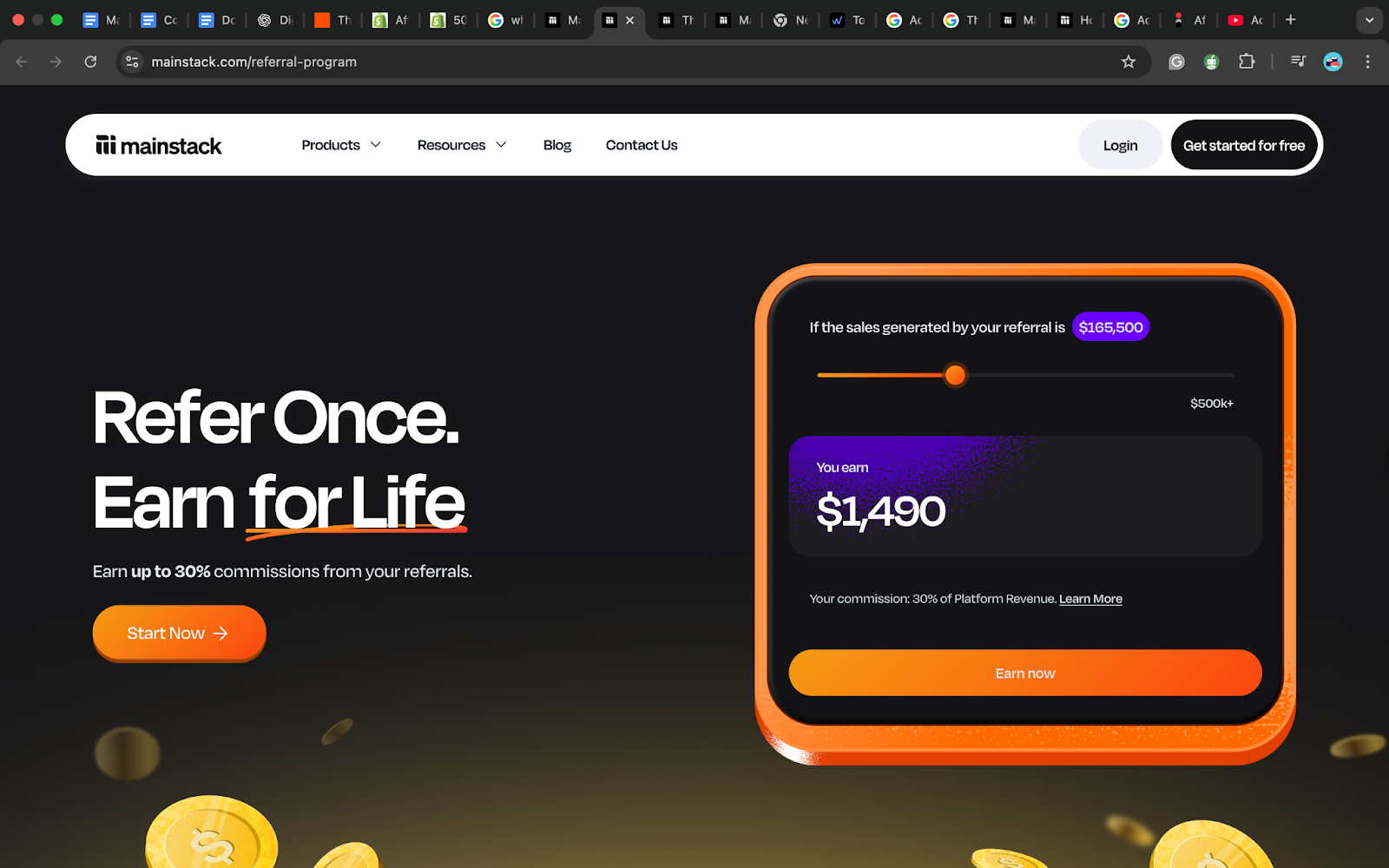
Mainstack also has a Refer & Earn Program where you earn 30% of Mainstack’s revenue every time someone you invite makes a sale. The best part is that your commission comes directly from Mainstack, not from the seller’s income.

Pricing: Mainstack is free to join for both affiliates and merchants. You earn based on performance, and payouts are made automatically. No hidden fees or subscriptions, just a simple 3% transaction fee for commerce features.

Key Features

  • Access Africa’s largest affiliate marketplace
  • Earn commissions promoting top digital products and tools
  • Real-time tracking and transparent earnings dashboard
  • Build a Link-in-Bio / personal page to showcase your content, services, and affiliate links
  • Create a full online storefront to sell digital products, services, and subscriptions
  • Multi payout options: Get paid in Naira, USD, crypto, PayPal, etc within 24 hours
  • Multi-currency pricing: You can set prices per country or local currency
  • Sell unlimited products, and manage customers in one place.
  • 30% lifetime revenue share through the Refer & Earn Program
  • Merchants pay only for results with no upfront costs

Mainstack helps you manage links, track sales, and earn commissions all in one place, making it the perfect all-in-one affiliate tool for 2025. Here’s how to join the Mainstack Affiliate Program.

Content Creation Tools

Content creation tools enable you to design, write, and edit the content that draws people to your links. Even if you don't have design skills, these tools make it easy to create eye-catching posts, short videos, and graphics. 

2.) Canva: Great For Designing Eye-Catching Graphics

Image Credit: Canva

Canva makes it easy to design graphics, thumbnails, and marketing materials without needing design skills. It has a huge library of ready-made templates and a drag-and-drop tool that can help you design Instagram posts, blog banners, in minutes. Affiliates love Canva because it helps their content look professional and stand out on social media. 

Pricing: The free version covers most needs, while the Pro plan adds premium templates and brand tools. Canva Pro costs $12.99 per month or $119.99 per year for one user. 

Key Features

  • Drag-and-drop editor for designing visuals easily
  • Access to templates for social media posts, presentations, flyers, etc.
  • Huge libraries of stock images, illustrations, icons, and fonts
  • AI / “magic” tools (text-to-image, AI copywriting, design suggestions)
  • Brand Kit management (store brand colors, fonts, logos)

3.) CapCut: Easy Video Editing for Social Creators

Image Credit: Capcut

CapCut is a beginner-friendly video editor that helps you create short, engaging videos for platforms like TikTok, YouTube, and Instagram even without video editing knowledge. It comes with free templates, effects, and AI editing tools to make your videos look polished. 

For affiliate marketers, CapCut is great for creating tutorials or product reviews that include affiliate links. It’s as simple as recording a video on your phone, uploading it on CapCut, trimming out unnecessary parts and exporting a clean video ready to post in minutes.

Pricing: It’s free to start with, but the pro version starts from $9.99/month or  $74.99/year. In some locations, its up to $19.99/month. 

Key Features

  • Video editing (trim, split, merge, transitions)
  • Templates, effects, filters, and overlays
  • AI tools: auto-captions, background removal, special effects
  • Cloud / asset library for managing media
  • Advanced AI editing tools, premium templates, higher export quality, and no watermark.

Analytics and Tracking Tool

If you want to grow, you need to know your numbers. Analytics tools show where your traffic comes from, your highest selling product, best-performing posts and number of sales through your affiliate links. The more you know, the better you can improve your strategy.

4.) Google Analytics: Track What’s Working

Image Credit: Google Analytics

Google Analytics is great for affiliates because it provides a comprehensive picture of what’s actually driving clicks, leads, and sales. The platform is designed to help you track traffic sources to see which platform (e.g Youtube, TikTok) sends the most traffic to your affiliate links.

Google analytics also gives you insights into your audience insight and their behavior flow. You can see who your audience is, how they move through your site, what pages convert best and where they drop off.

Image Credit: Google Analytics

This helps affiliates understand what drives conversions and what needs improvement. It’s completely free and integrates easily with blogs and websites.

Pricing: Free to start with, but the paid plan (GA4 360) starts at approximately $50,000/year, depending on data volume and region.

Key Features

  • Tracks website and app traffic: sessions, pageviews, user behavior
  • Custom reporting, funnels, segmentation
  • Integration with Google Ads and other Google tools
  • Predictive insights and AI-driven metrics
  • Event tracking, goal conversion, audience analysis

SEO and Keyword Tools

SEO and keyword research tools help your content rank higher by finding profitable keywords, revealing competitor insights, and tracking performance over time.

Platforms like Ahrefs, Ubersuggest, and Google Keyword Planner show what your audience is actually searching for, so you can create content that attracts the right traffic.

5.) Ahrefs: Powerful SEO and Keyword Insights

Image Credit: Ahrefs

Ahrefs is one of the most trusted SEO tools for find keywords, analyze competitors, and track backlinks. It helps affiliate marketers discover what topics are ranking and where to focus their content. For example, if you promote productivity software, Ahrefs can show you which blog titles or keywords get the most clicks. It’s a paid tool, but the insights it provides are well worth the investment for serious marketers. 

Pricing: Paid plans start at $129/month and can go up to $1,499/month for advanced and enterprise plans. 

Key Features

  • Site Explorer: analyse any website’s traffic and backlink profile. 
  • Keyword Explorer: find keywords, keywords difficulty, and search volumes.
  • Site Audit: check your website for technical issues and SEO health. 
  • Content Explorer: find content ideas, popular pages, competitor content insight. 
  • Backlink & competitive analysis: evaluate your links and competitors’ link profiles

6.) Google Keyword Planner: Find the Right Search Terms

Image Credit: Google Keyword Planner

Like Ahrefs, Google Keyword Planner helps affiliates discover keywords their audience is searching for. Beyond that, you also get insight into questions people are asking, understand search trends, estimate traffic potential and refine targeting.

It’s perfect for creating SEO-friendly blog posts, YouTube titles, or ad campaigns. You can compare keyword competition, search volume, and trends to target the right audience. The best part? It’s free and pairs perfectly with other Google tools for research and planning.

Pricing: Using Google Keyword Planner is free, although you need a Google Ads account to access it. Usage is free, though data precision may increase if you run paid ads.

Key Features

  • Discover new keywords and keyword ideas based on seed terms or websites.
  • Get search volume estimates, forecast traffic, and see bid (CPC) data for keywords.
  • Integrates with Google Ads for ad planning, but useful for SEO research too.

Email Marketing Tools

Building an email list is one of the smartest moves in affiliate marketing. It’s a simple way to build an audience, keep them engaged and drive repeat sales.

Email marketing tools like ConvertKit or Mailchimp help you send updates, product recommendations, and exclusive offers to your followers. 

7.) Kit: Email Marketing for Creators

Image Credit: Kit

Kit helps affiliates grow and engage their audience through email. You can set up automated email campaigns, send newsletters, and add affiliate links naturally within your messages. It’s built for creators who want to turn followers into loyal buyers.

Image Credit: Kit

Pricing: There’s a free plan for beginners, with paid options for more advanced segmentation and automation, which starts at $15/month.

Key Features

  • Unlimited landing pages, opt-in forms, and email broadcasts.
  • Audience tagging & segmentation to target the right people.
  • Visual automation builder and sequences (on paid plans).
  • Digital product & subscription sales built-in.
  • Integrations with major platforms (e.g., Shopify, WordPress) and free migration (on higher plans).

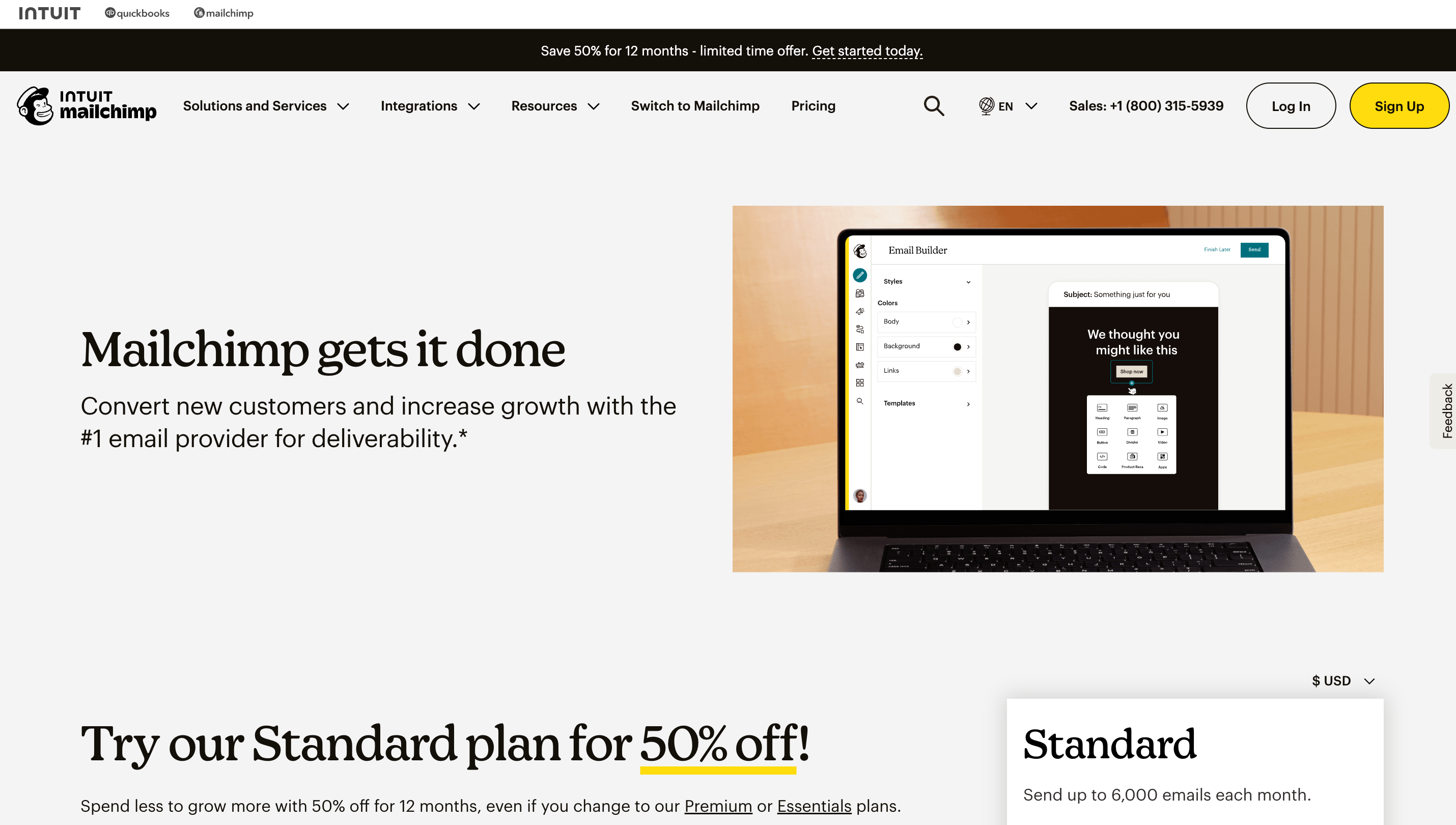
8.) Mailchimp: Email Campaigns Made Simple

Image Credit: Mailchimp

Mailchimp is one of the most popular email marketing tools for small businesses and affiliates. It offers templates, audience insights, and automation that make it easy to send professional campaigns. You can track open rates and clicks to see which products get the most attention. 

Pricing: Mailchimp has a free plan for smaller lists and paid tiers for more advanced features that can go up to $350/month.

Key Features:

  • Email campaign builder with templates, scheduling, and A/B testing (on paid plans).
  • Basic landing pages and forms are included in the free tier. 
  • Marketing automation flows with branching logic (on Standard and Premium plans).
  • Advanced segmentation, predictive tools, and multivariate testing (on higher plans).

SMS/MMS add-ons, custom-coded templates, and priority support at top tier.

Social Media and Scheduling Tools

Posting regularly on multiple platforms can be stressful. Social media scheduling tools like Buffer, Later, or Meta Business Suite let you plan and schedule posts ahead of time. For example, you can set up a week’s worth of TikTok clips and Instagram posts that promote your affiliate products, and the tool will post them automatically.

9.) Buffer: Simple Social Media Scheduling

Image Credit: Buffer

Buffer helps you plan and schedule posts for platforms like Instagram, Facebook, LinkedIn, and X (Twitter). It’s perfect for affiliates who want to stay consistent without posting manually every day. Buffer also shows engagement data, helping you learn what type of content performs best. 

Pricing: There’s a free plan for a few social channels, with paid upgrades for more accounts and detailed analytics.

Key Features

  • Schedule and publish posts across multiple social media channels.
  • AI Assistant for content ideas and post optimisation.
  • Basic & advanced analytics to track engagement and performance.
  • Engagement inbox (on paid plans) to manage comments and messages.
  • Hashtag manager, post drafts, first comment scheduling.

10.) Later: Visual Planner for Social Media

Image Credit: Later

Later is a comprehensive influencer marketing and social media management platform that helps affiliates plan, schedule, and optimize their promotional content across platforms like Instagram, TikTok, and YouTube. 

With its visual planner, affiliates can organize posts, maintain consistency, and use features like “Best Time to Post” to boost engagement. It also offers detailed analytics to track which content drives the most clicks and conversions, helping users refine their strategy over time.

Pricing: There’s a free plan that’s available for basic use. However, for more advanced plans, pricing starts at $18.75/month and can go up to $82.50/month. Pricing increases with add-ons like additional social sets, AI credits, users.

Image Credit: Later

Key Features:

  • Visual planner and calendar for scheduling posts on Instagram, Facebook, TikTok, LinkedIn, YouTube, Pinterest, and more.
  • Link-in-bio pages to funnel traffic from social posts.
  • AI content tools (caption ideas, post suggestions).
  • Analytics and performance tracking across profiles.
  • Social inbox, team collaboration, content approval workflows (on higher tiers).

Project Management and Collaboration Tools

Staying organized is key as an affiliate marketer, especially if you’re working with a team or juggling multiple brands. Project management tools like Asana, Clickup and Trello, help you manage tasks, plan campaigns, and keep track of deadlines. You can even share projects with designers, writers, or editors to keep everything running smoothly.

11.) Asana: Manage Campaigns and Deadlines

Asana homepage
Image Credit: Asana

Asana helps you organize your projects, set deadlines, and track tasks in one clean workspace. It’s ideal for affiliate marketers who juggle multiple campaigns or work with a small team. You can plan your content calendar, assign tasks, and use timeline views to stay on track. 

Pricing: Asana’s free plan covers basic project management, while premium versions unlock advanced automation and reporting tools. The paid plans start at $10.99/month per user.

Key Features:

  • Unlimited tasks, projects, and messages (varies by plan) .
  • Timeline/Gantt chart views and task dependencies for planning complex workflows.
  • Custom fields, project templates, and a workflow builder for tailored work management.
  • Automation, reporting dashboards, and analytics for tracking team performance.
  • Free plan available for individuals or small teams (up to 10 users).

12.) ClickUp: All-in-One Productivity Platform

Image Credit: ClickUp

ClickUp combines task management, docs, chat, and goal tracking in one platform. Affiliates can use it to plan campaigns, store affiliate program details, and manage workflows. Its dashboards give a clear overview of everything from content deadlines to income goals. 

Pricing: ClickUp provides a free version with extensive features, while paid plans beginning at $7 include more integrations and automation.

Key Features:

  • Task, doc, chat, and workspace management all in one platform.
  • Unlimited tasks, storage, and users (depending on plan).
  • Advanced workflow automation, dashboards, time tracking, and role permissions for larger teams.
  • Free-forever plan available for individuals or small teams.

Writing Assistants and Idea Tools

Creating content regularly can be tough, especially when you run out of ideas or worry about making mistakes. Writing assistants and idea tools like Grammarly and ChatGPT make the process easier and faster. 

13.) Grammarly: Write Clearer, More Persuasive Content

Image Credit: Grammarly

Grammarly helps you write clearly and confidently, ensuring your content is polished and professional. It checks your grammar, spelling, tone, and readability in real-time, making it perfect for refining blog posts, emails, and social captions. For affiliates, clear, error-free writing is essential because it builds trust with the audience and ultimately boosts conversions.
Pricing: The free plan includes basic corrections, while the Premium version adds advanced writing suggestions and starts at $12 per month.

Key Features:

  • Real-time grammar, spelling, and punctuation corrections
  • Tone detection and writing-style suggestions for clarity and impact.
  • AI-powered writing assistance (rewrites, drafts, brand voice) on premium tiers. 
  • Team and enterprise features: shared style guides, brand tones, analytics for writing performance. 

14.) ChatGPT: Your AI Assistant for Content Creation

Image CreditChatGPT

ChatGPT is one of the most popular AI writing tools that helps affiliates brainstorm ideas, write product reviews, create social captions, or even outline YouTube scripts, essentially working as a powerful brainstorming partner. By assisting with writing blog posts and product descriptions and even generating SEO-optimized content, ChatGPT saves hours of time and helps affiliates stay consistent with their brand voice while managing multiple campaigns. 

Pricing: A free version is accessible, along with a paid plan starting at $200 per month, which offers faster performance and more advanced tools.

Key Features:

  • AI chat assistant that can help with writing ideas, content drafts, brainstorming, and Q&A. 
  • Access to different model versions (e.g., GPT-4o) depending on plan. 
  • Priority access / faster response times on paid plans. 
  • Team and enterprise features for collaboration and large-scale use. 

When Grammarly and Chat GPT are used together, these tools help you write better, think faster, and produce more engaging content that drives clicks and conversions.

Ad Campaign tool

Ad Campaign Tools help affiliates create, manage, and optimize paid ads across platforms. They simplify targeting, tracking, and improving ROI. Options like AdEspresso, Google Ads Manager, and Semrush Ads Toolkit make it easy to design, test, and analyze campaigns for better conversions. 

15.) AdExpresso: Affiliate Ad Campaign tool 

Image Credit: AdEspresso

AdEspresso is an ad management tool that helps marketers and affiliates create, test, and optimize campaigns on Facebook, Instagram, and Google from one dashboard. Affiliates can use A/B testing to experiment with creatives, headlines, and audiences, while smart optimization tips and detailed analytics help improve campaign performance and conversions. It also integrates with other tools and CRMs for easier lead management.

Pricing: Pricing starts at $49 per month, and all plans include a 14-day free trial for new users.

Key Features

  • Create and manage ads for Facebook, Instagram, and Google in one place
  • Run automatic A/B tests for creatives, copy, and audiences
  • Use automation rules to optimize campaigns based on performance
  • Track results with easy analytics and exportable reports
  • Collaborate with teams using white-label and agency-friendly tool

Choose the Right Tools to Promote Your Affiliate Marketing

When building your affiliate marketing strategy, start with essential tools for content creation, analytics, and link management. Choose tools based on your audience. YouTubers need video and SEO tools, bloggers need keyword research and writing assistants, and social media creators benefit from scheduling and engagement tools.

Use Mainstack as your foundation for link management and analytics. It organizes affiliate links, tracks clicks, and measures performance in one clean dashboard.

FAQs: Affiliate Marketing Tools

1. What tools do I need to start affiliate marketing?
You’ll need a link management tool like Mainstack, a content tool for creating posts (like Canva), and a traffic or analytics tool such as Google Analytics or Semrush.

2. What’s the best free tool for affiliate tracking?
Mainstack is a great free option. It helps you organize affiliate links, monitor clicks, and see performance insights in one place.

3. Can I start affiliate marketing without a website?
Yes. You can use platforms like TikTok, YouTube, or Instagram and share your affiliate links through a Mainstack link-in-bio or custom storefront page.

4. What’s a good tool for promoting affiliate links on social media?
Buffer and Later help you schedule and manage affiliate content across platforms like Instagram, X (Twitter), and TikTok.

5. How do I find good affiliate products or programs?
You can discover affiliate programs through Mainstack, Amazon Associates, ClickBank, or Impact. Always check for reliable payouts and product quality.

Business
21 Best Digital Marketing Tools in 2025
Discover the 21 best digital marketing tools for 2025. Compare features, pricing, and benefits of top platforms for SEO, social media, and email marketing
Mainstack Editorial Team
November 20, 2025
10 min read
Read more
Button ArrowButton Arrow

As more businesses find ways to thrive in a crowded market, the best digital marketing tools in 2025 provide smarter, faster, and more efficient methods to reach customers. 

What began as manual tracking and guesswork has now evolved into powerful systems that streamline every stage of marketing. This evolution enables startups and established brands to compete and grow in meaningful ways.

This guide will give a complete, step-by-step plan and downloadable checklist to help you choose the right tools, set up effective strategies, and track your progress with ease.

What Are Digital Marketing Tools?

Digital marketing tools are online platforms, apps, or software that help businesses plan, manage, and measure their marketing strategies across channels like social media, email, SEO, content, and advertising to boost engagement, generate leads, and increase sales.

Why Use Digital Marketing Tools?

Digital marketing tools make life easier by automating repetitive tasks such as post scheduling, email distribution, and campaign tracking. Instead of getting overwhelmed with manual tasks, you have more time to focus on the creative aspects of growing your business. 

They also provide real-time feedback on what works and what doesn't. With clear data on customer behavior and campaign performance, it's much easier to make better decisions that are impactful to your business.

With how fast the business world is moving, the right tools can help your brand stand out. Whether it's personalizing your messages or reaching the right audience faster, they give you an advantage over businesses that still rely on traditional methods.

And the best part? They’re often far more affordable than traditional marketing. Small businesses can now benefit from effective tools without breaking the bank, making online growth more accessible than ever. Traditional marketing, on the other hand, usually involves methods like print ads, billboards, TV, or radio spots, all of which are costly and difficult to track.

For example, a small bakery wanting to advertise through a newspaper ad might spend hundreds of dollars for just a single placement, with no clear way to measure how many people actually came in because of it. With digital marketing tools, that same bakery could run targeted social media ads for a fraction of the price, track clicks and conversions in real time, and adjust the campaign instantly to get better results.

Best Digital Marketing Tools by Category

With many options available, the right tool depends on your marketing goals. Here’s a list of top digital marketing tools by category to help you find what fits your business.

All-in-One Tools for Creators 

For creators who want everything in one place, all-in-one tools make it easier to manage content, grow an audience, and track performance without juggling multiple platforms.

1. Mainstack for all-in-one storefront and landing page

Mainstack user homepage

Mainstack is an all-in-one platform for creators, entrepreneurs, and small businesses to build landing pages, showcase products, and sell directly to their audience. It enables you to transform your online presence into a monetizable hub without the need for multiple tools, making it ideal for anyone who wants to manage everything in one place.

Some of its standout features include customizable landing pages, a built-in storefront for both digital and physical products, and an analytics dashboard that tracks audience engagement. It also comes with payment integrations for seamless sales and a simple link-in-bio option that works perfectly across social platforms.

Mainstack offers a free plan with core features, making it accessible to beginners. The platform supports flexible payment options, including one-time fees, subscriptions, pay-what-you-want models, and even crypto payments in over 135 currencies. The icing of the cake is that Mainstack doesn’t charge monthly fees. It only collects a small 3% platform fee when you earn, so you keep more of your revenue.

The Best SEO & Content Marketing Tools

SEO and content marketing tools help businesses attract the right audience and rank higher on search engines. They simplify keyword research, on-page optimization, and content planning to improve results.

2. Ahrefs for keyword research

Ahrefs homepage

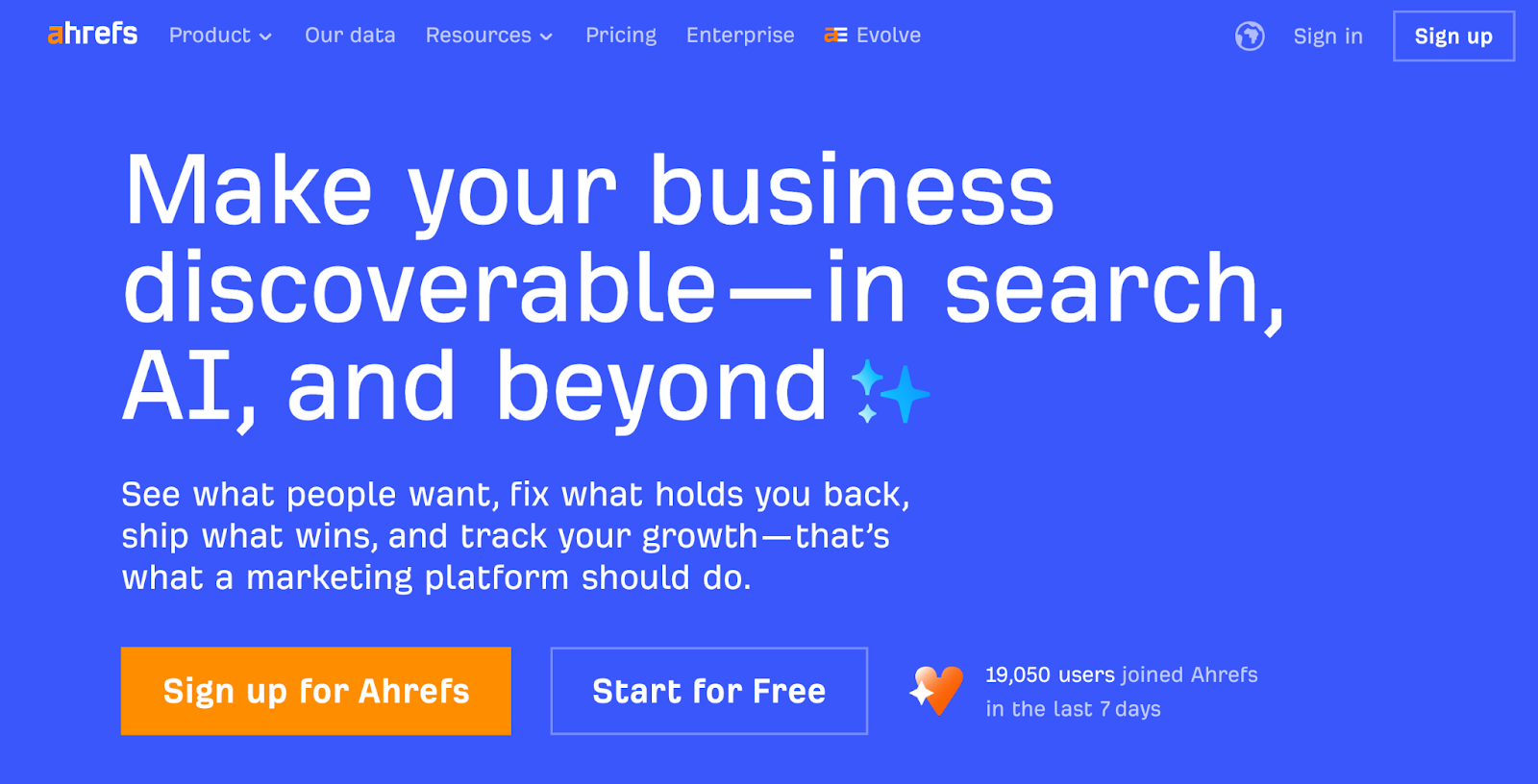
Ahrefs is a leading SEO platform for keyword research, backlink analysis, and competitor insights. Its free tools let you generate up to 150 keyword ideas, check difficulty, and track rankings. This makes it ideal for small businesses or individuals starting out.

Ahrefs is known for its accurate data and keyword precision, which gives marketers better keywords to target. The downside, however, is that you need a paid plan to unlock advanced features like detailed backlink reports or larger keyword volumes, which can be pricey. 

Regardless, the upgrade unlocks one of the most powerful SEO suites on the market.

Ahrefs pricing homepage

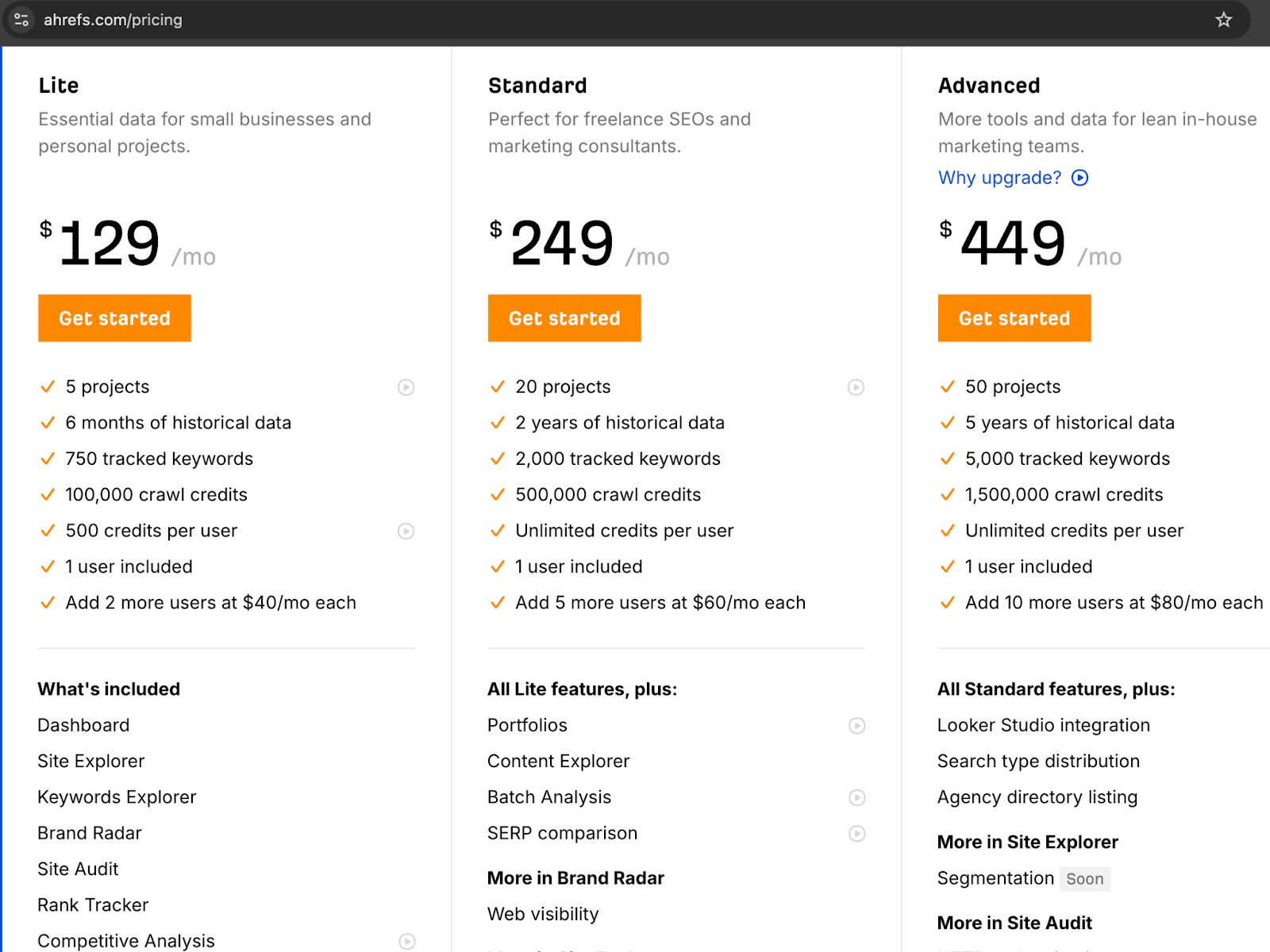
Pricing: Free; paid plans start at $129/month.

3. Semrush for competitor analysis

Semrush

If you want to carry out a detailed competitor analysis, then Semrush is the best tool for that. It gives you a clear picture of who your competitors are, which keywords they rank for, where their traffic comes from, and what ads they run. 

This makes it a powerful tool to find strategy gaps and new growth opportunities.

While using Semrush is great, its wide range of insights can be overwhelming for beginners. Also, pricing may be high for small teams. However, for businesses ready to take SEO and digital marketing seriously, Semrush provides exceptional value.

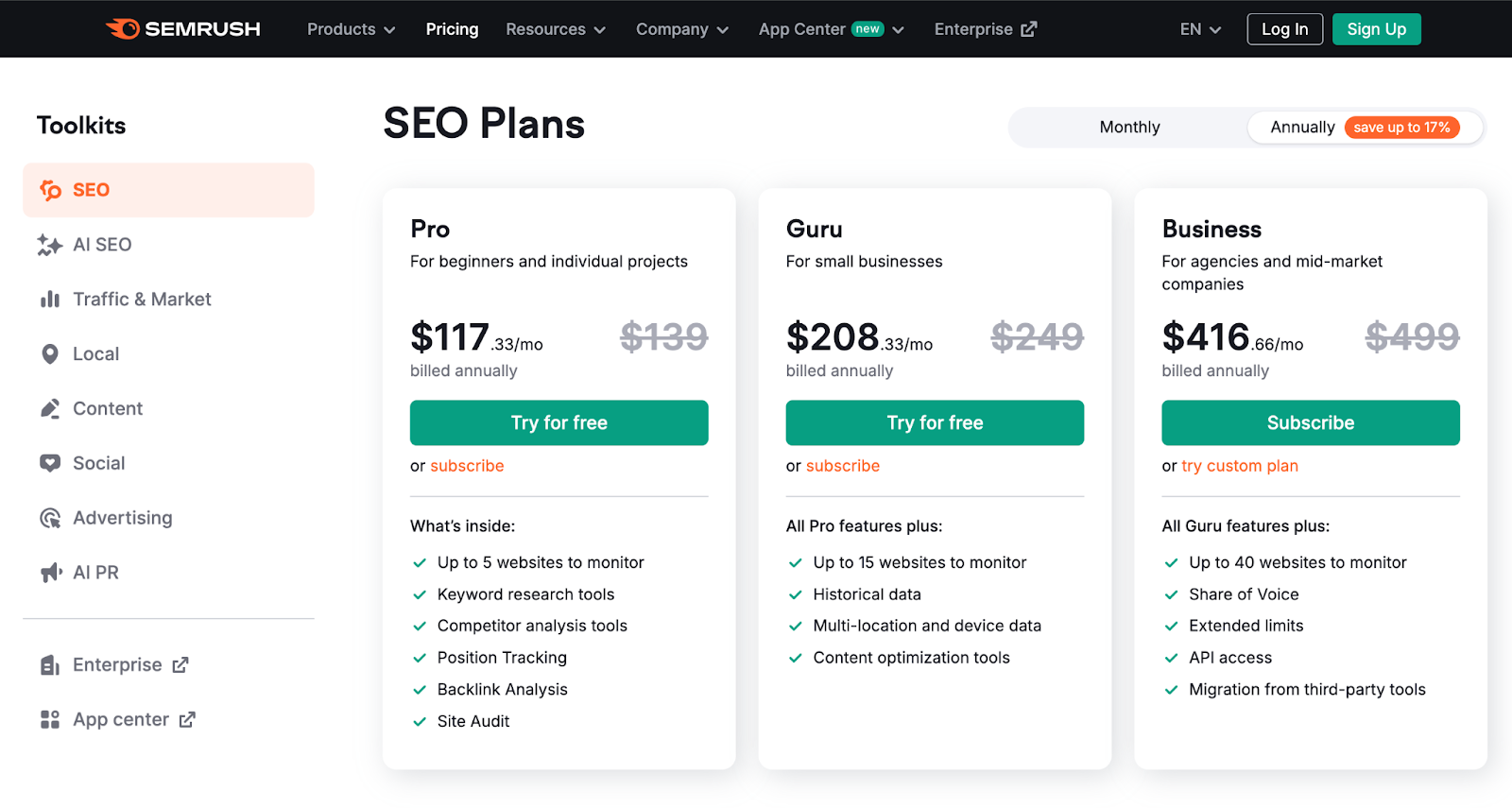
Pricing: Free trial available; paid plans start at $139/month.

Semrush pricing page

4. Google Keyword Planner (best free SEO tool)

Google keyword planner

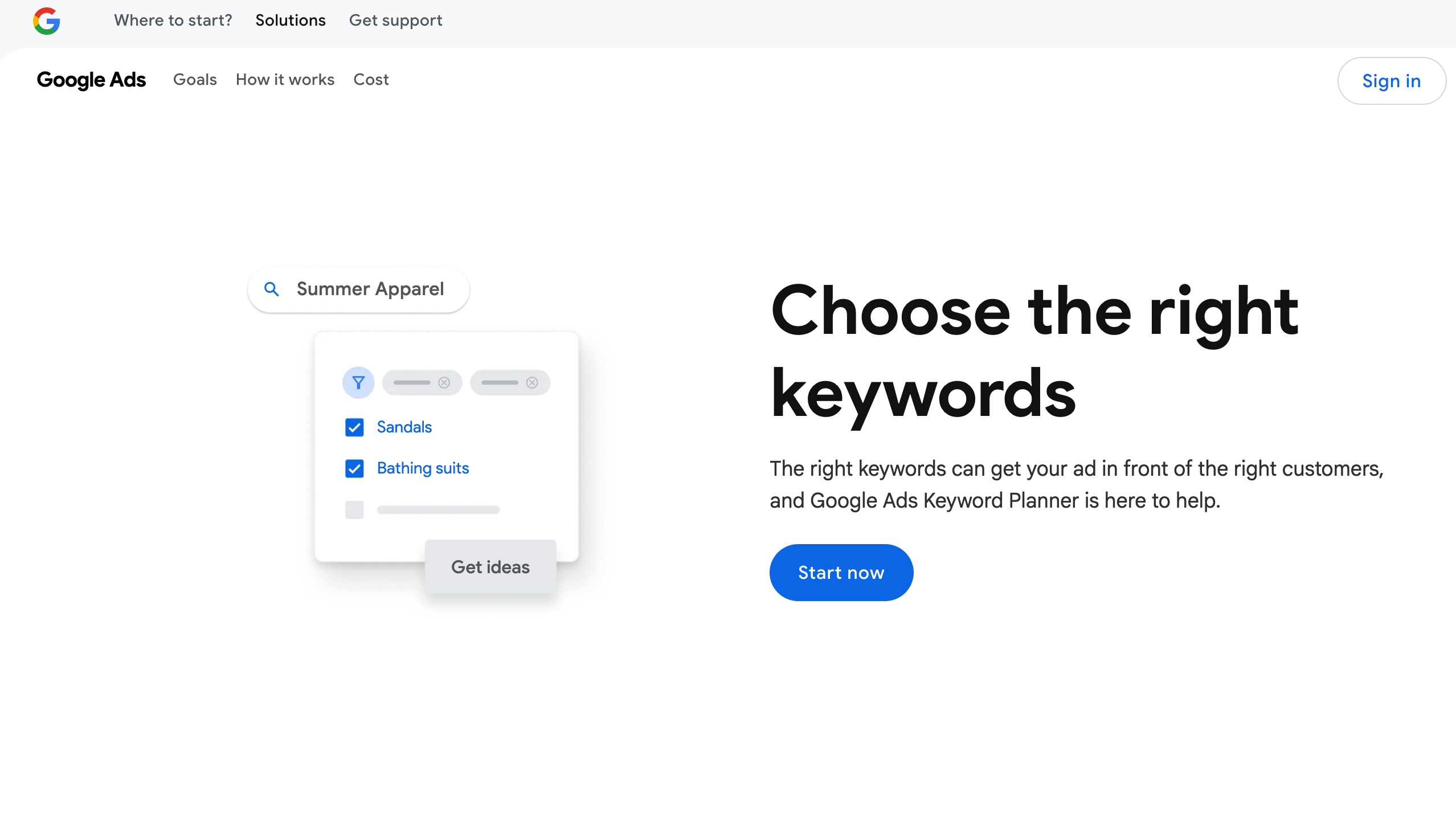
Google Keyword Planner is a solid free tool for basic keyword research. Originally built for Google Ads, it lets you find keyword ideas, search volumes, and competition levels using data directly from Google. It’s less detailed than paid tools like Ahrefs or Semrush but great for getting started on a budget.

Social Media Management Tools

Managing multiple social accounts is time-consuming, but social media tools help by scheduling posts, tracking performance, and boosting engagement. Here’s how the top options compare:

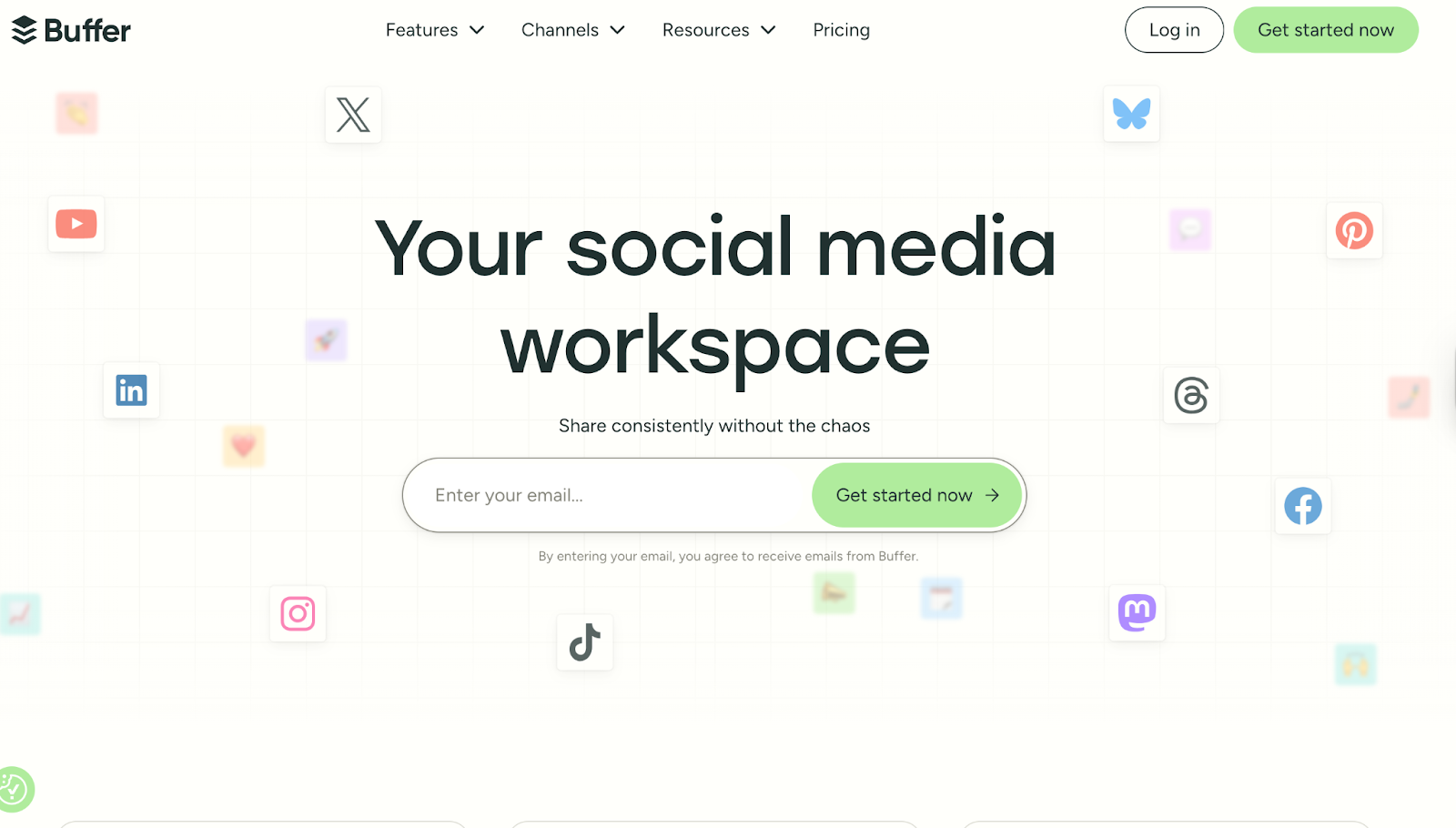
5. Buffer for simple scheduling

Buffer homepage

Buffer is a simple social media tool for scheduling and publishing posts across Facebook, Instagram, LinkedIn, and X (Twitter). Its clean interface makes it ideal for small businesses and creators who want an easy way to stay consistent. 

While Buffer’s free and lower-tier plans offer only basic analytics, its paid plans include more in-depth performance insights. Where it really shines, though, is in reliable, straightforward scheduling that keeps your content organized and on time.

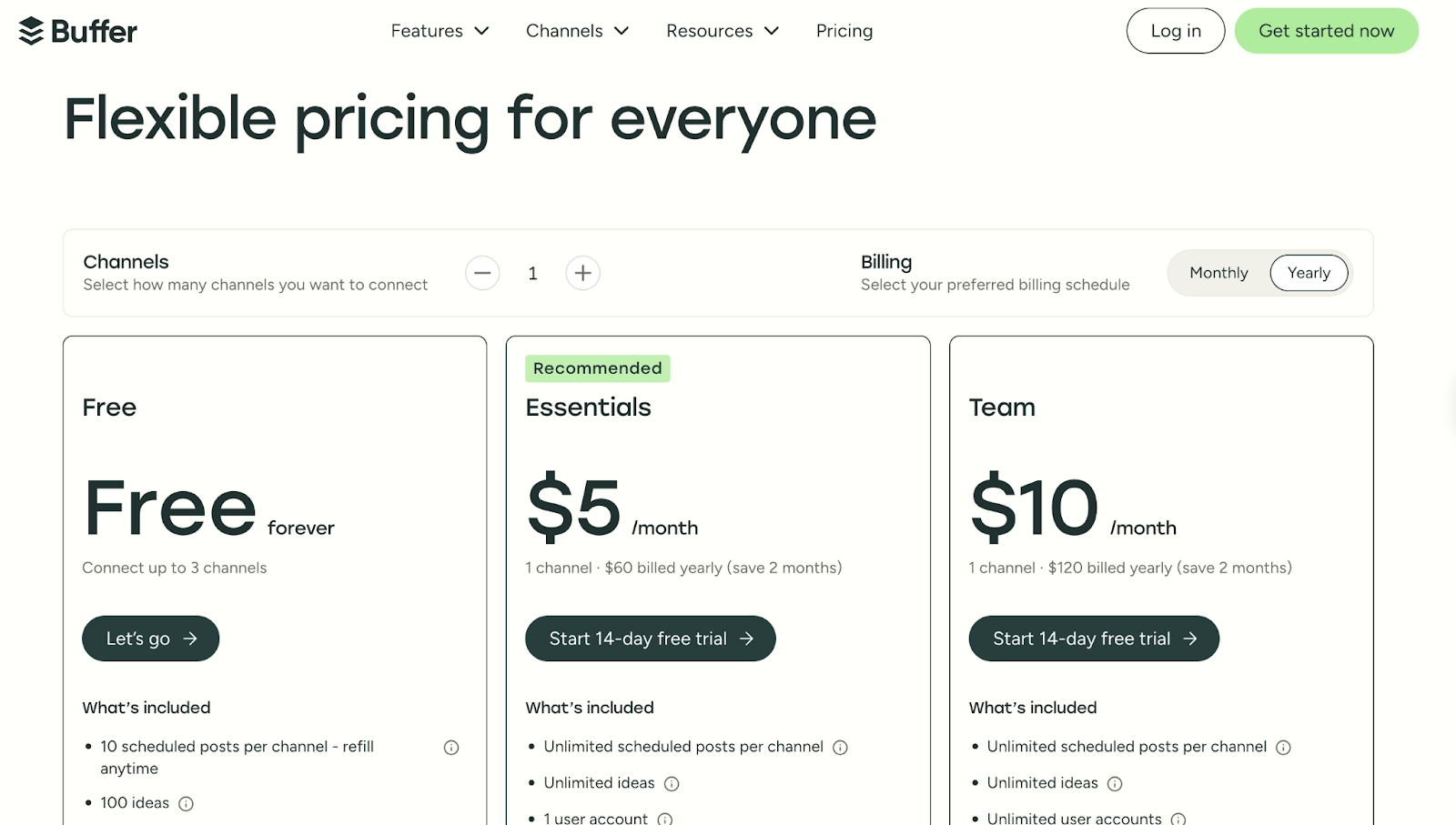
Pricing: Free plan available; paid plans start at $5/month per channel.

6. Sprout Social for analytics and reporting

Sproutsocial

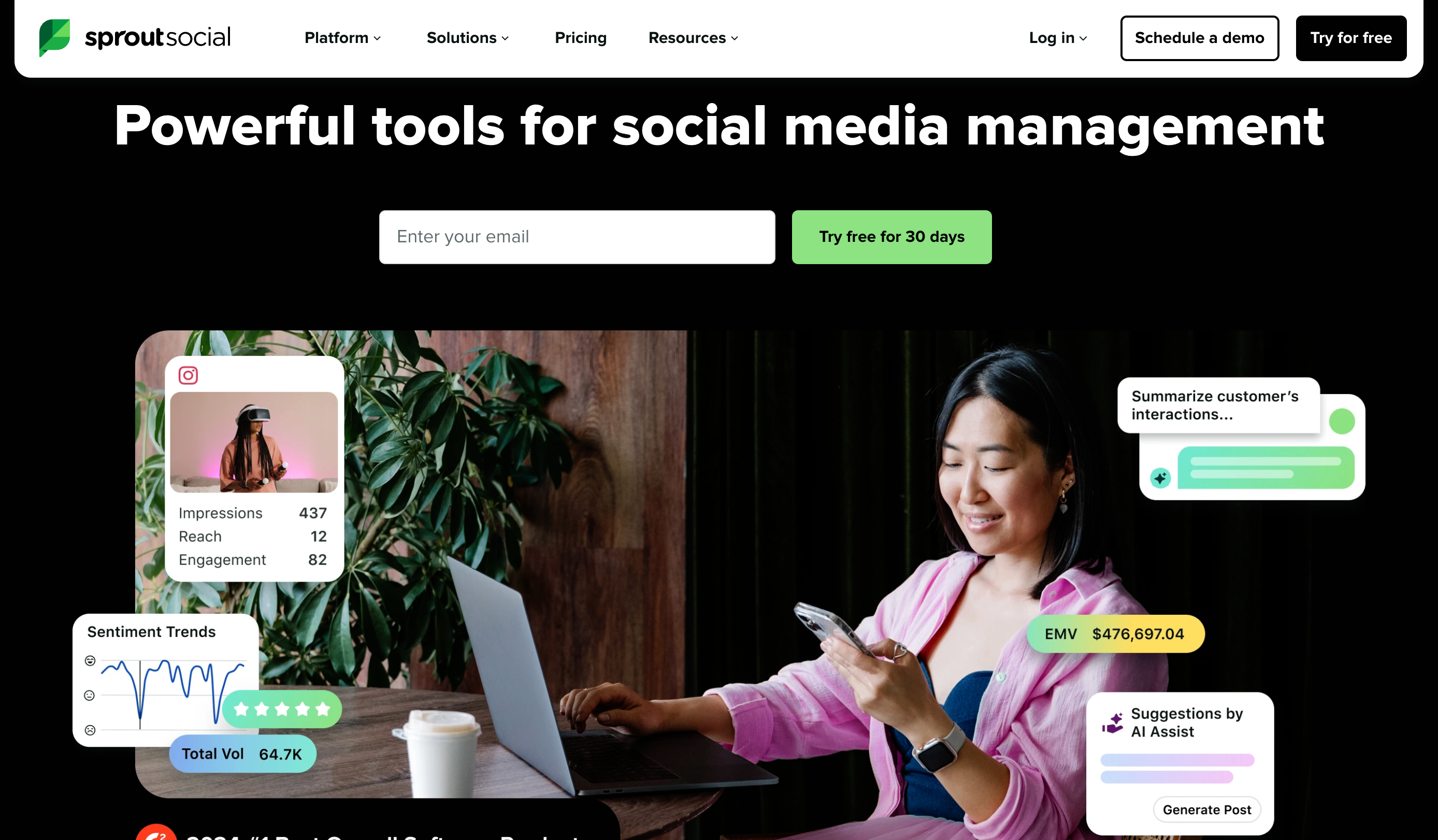
Sprout Social is a powerful social media tool with advanced analytics, detailed reporting, and engagement features. It’s ideal for teams and agencies that want to track campaign performance and make data-driven decisions.

What makes Sprout Social stand out is the quality of its insights. You can track audience growth, engagement trends, and campaign performance in detail, all while collaborating with your team on one platform. The downside of using Sprout Social is that it comes at a higher cost, which may be challenging for small businesses.

Pricing: Free trial available; paid plans start at $249/month.


7. Bonus: A Free Alternative — Meta Business Suite

Meta Business suite

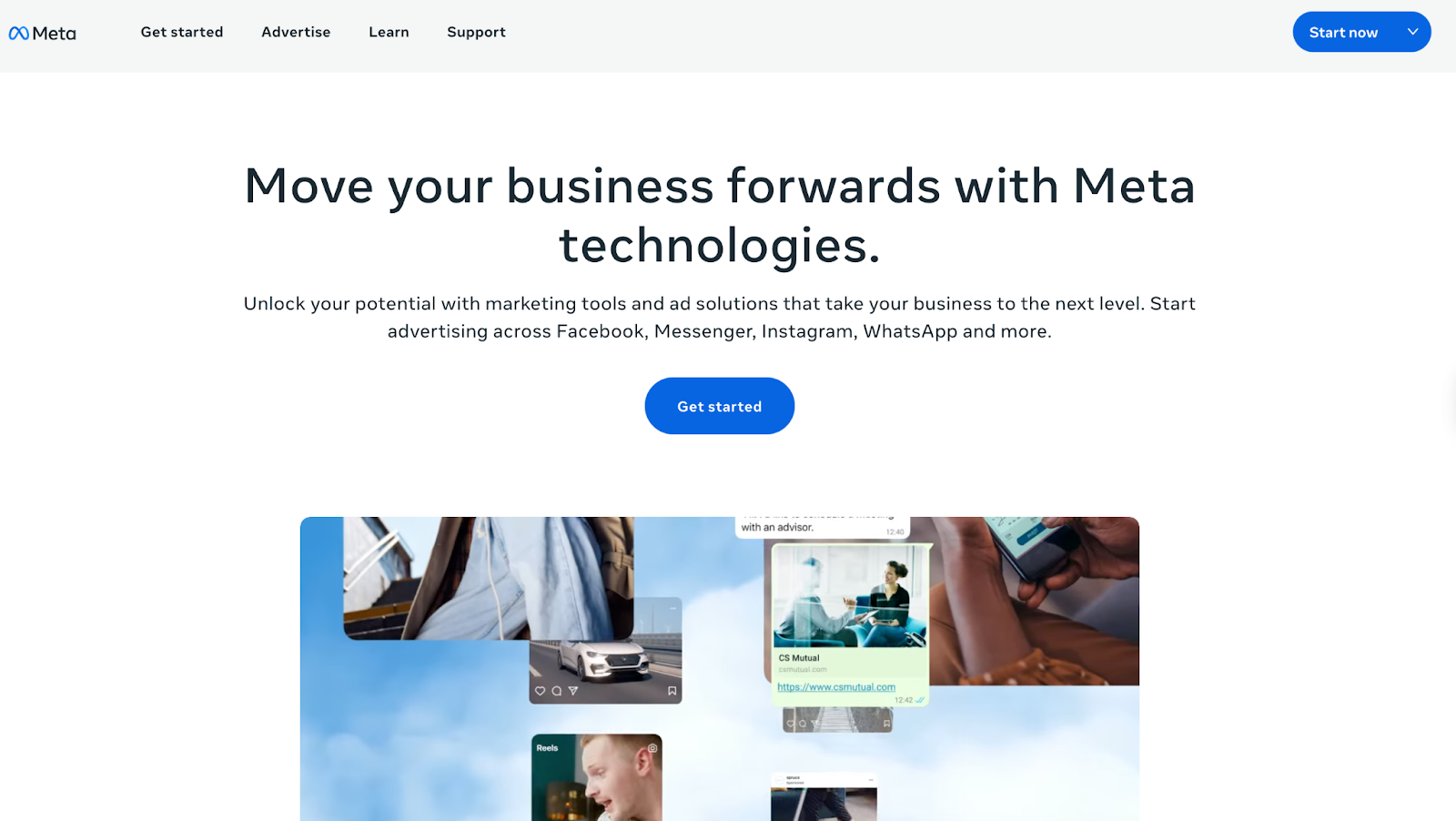
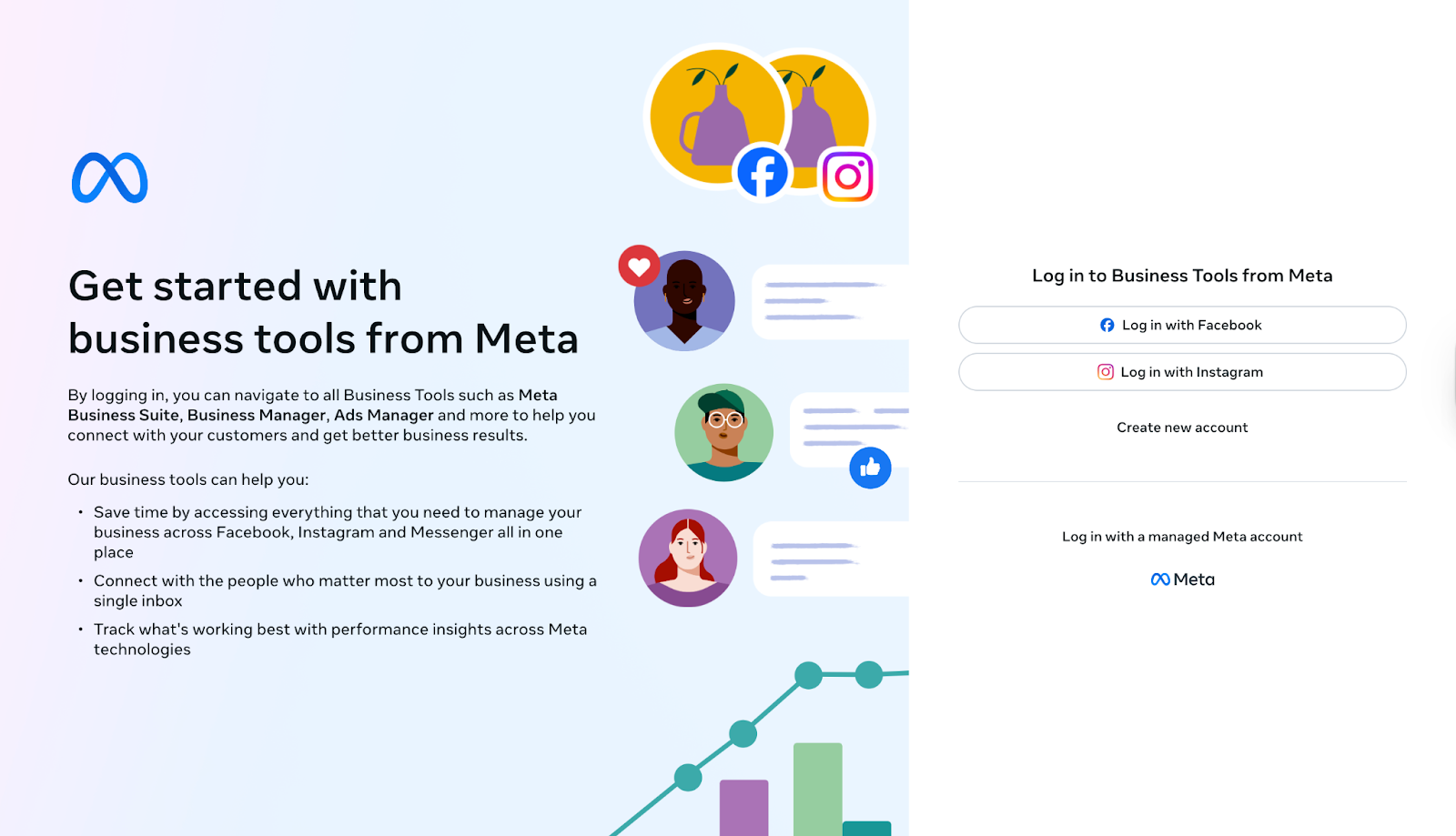
If you’re not ready to invest in a paid scheduling tool, Meta Business Suite is a great free option. Designed for Facebook and Instagram, it lets you plan and schedule posts, reply to messages, and check performance insights, all from one dashboard.

While it’s limited to Meta platforms, it’s surprisingly effective for small businesses, creators, and entrepreneurs who mainly use Facebook and Instagram to reach their audience. You can manage both accounts in one place without needing extra tools, making it a simple, no-cost way to stay consistent online.

Email Marketing & Automation Tools

Email marketing tools help businesses send campaigns, automate follow-ups, segment audiences, and personalize content. The right choice depends on your audience size and goals.

8. Mailchimp (best for all-in-one email campaigns)

Mailchimp

Mailchimp is known for its ease of use and range of features, from drag-and-drop email builders to automation workflows and audience segmentation. It’s great for managing campaigns in one place: from design to copy to planning to tracking analytics.

The free plan is generous, but pricing scales as your subscriber list grows.
Pricing: Free plan available; paid plans start at $13/month.

9. Kit formerly ConvertKit (best for creators selling digital products) 

Kit (formerly convertkit)

One advantage of using Kit is how  it supports audience growth and monetization. You can tag and organize subscribers based on their actions, build custom sequences, and nurture leads without needing advanced technical skills. 

While its email templates are minimal, it offers an efficient system for growing and monetizing your audience.

Pricing: Free plan available for up to 1,000 subscribers; paid plans start at $15/month.

10. MailerLite (best for simplicity and affordability)

Mailerlite

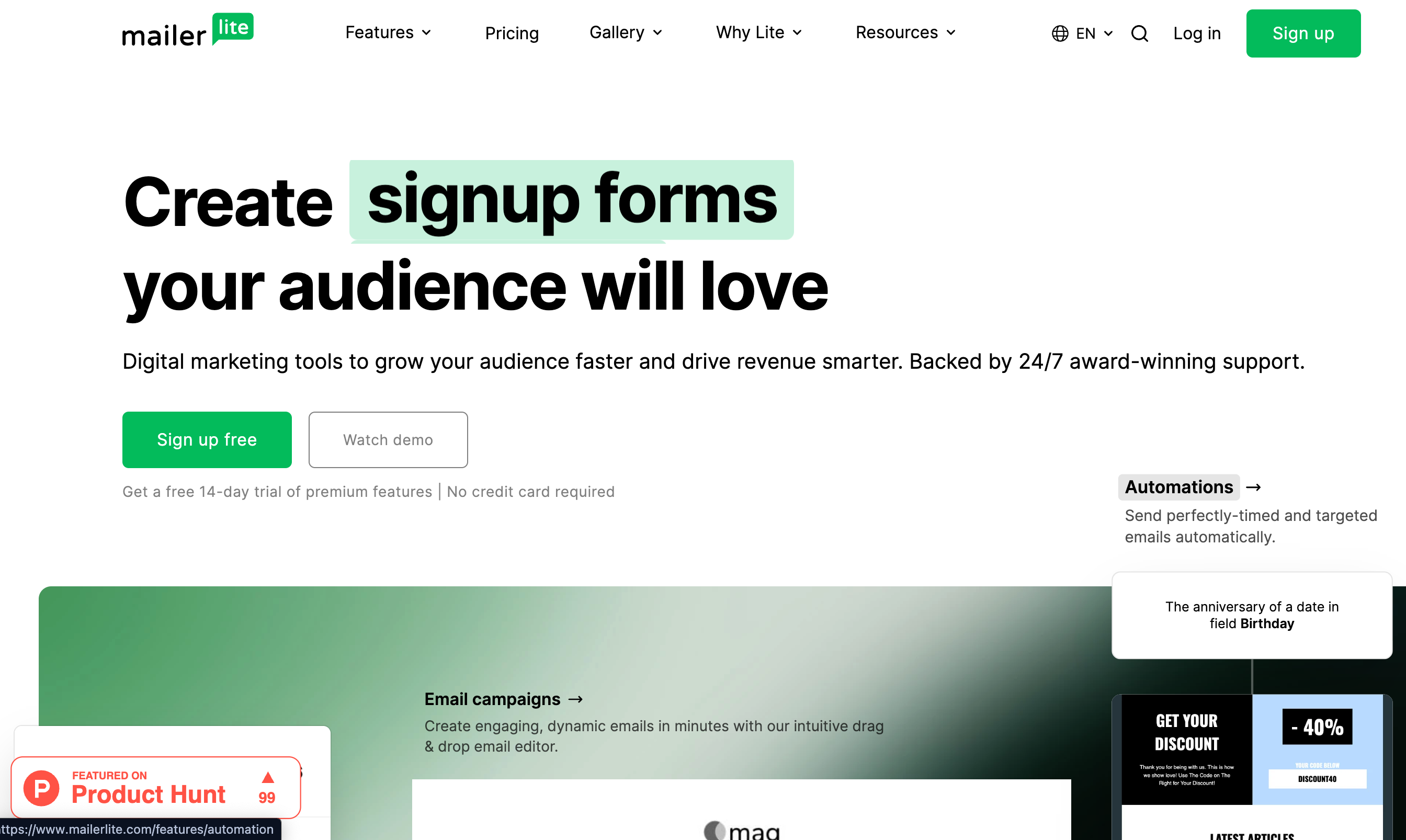
MailerLite is a lightweight, budget-friendly option that still covers essential features like automation, landing pages, and sign-up forms. It’s particularly appealing to small businesses or beginners who want a straightforward way to run email campaigns without complexity.

Pricing: Free plan available for up to 500 subscribers; paid plans start at $9/month.

Analytics & Reporting Tools

Analytics tools help businesses understand how campaigns perform, how users behave on websites or apps, and where to improve to maximize ROI. Here are some analytics tools:

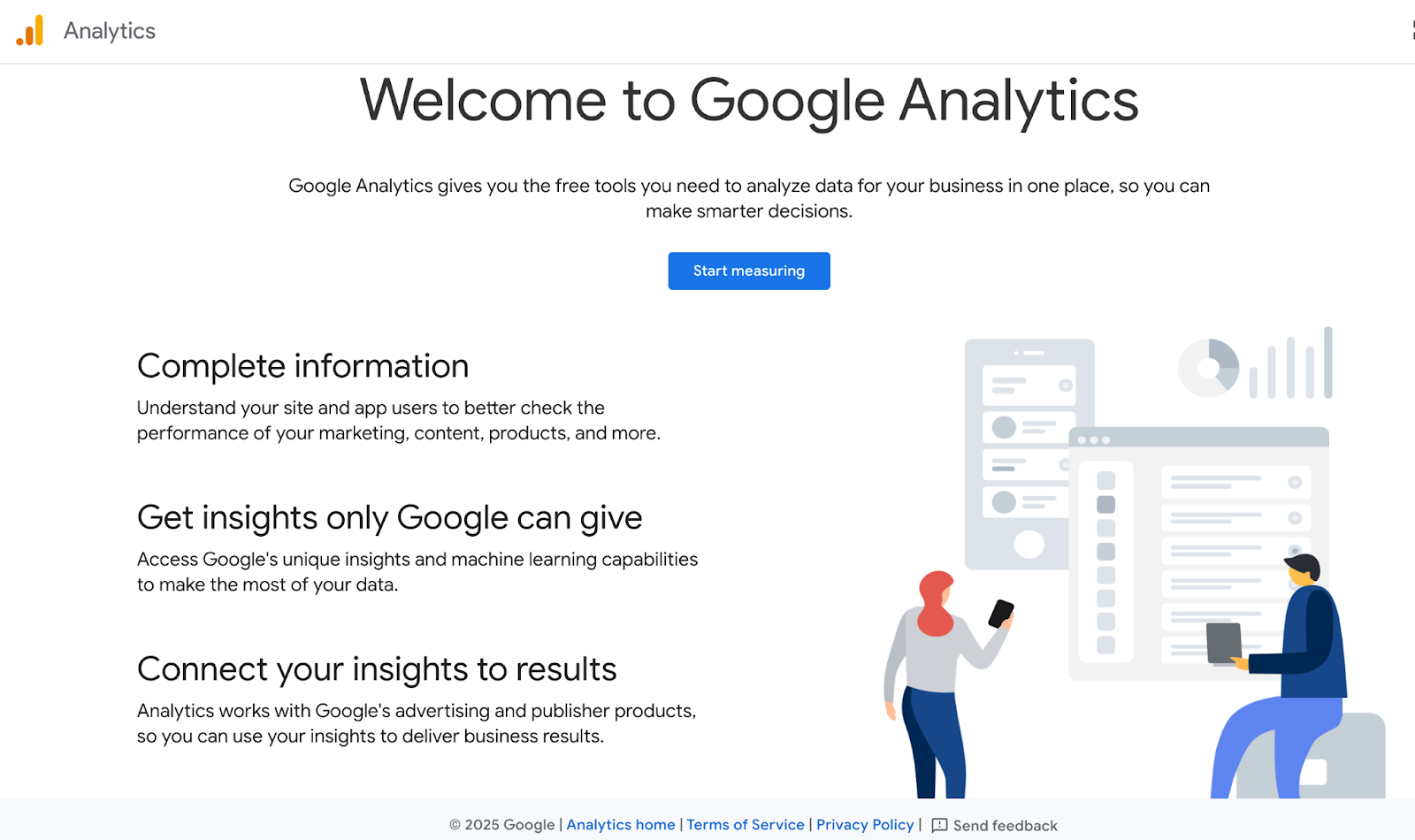
11. Google Analytics 4 (best for website performance tracking)

Google Analytics 4 (GA4) is the go-to tool for tracking website traffic, conversions, and user behavior. It helps you understand where visitors are coming from, how they interact with your content, and which channels drive the most revenue. While it’s powerful, the setup can feel complex for beginners.
Pricing: Free.

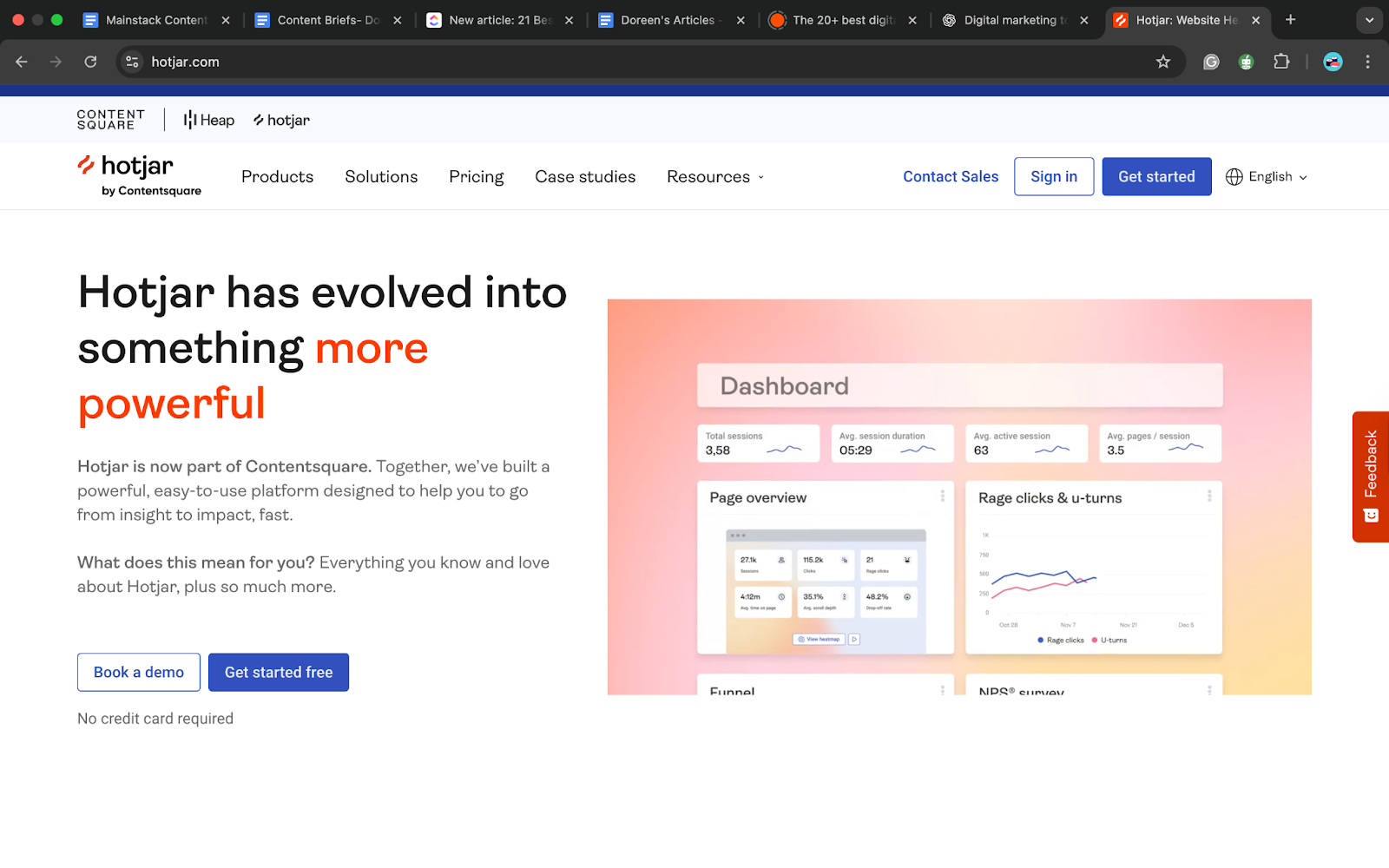
12. Hotjar (best for visual behavior insights)

Hotjar takes analytics further by providing heatmaps, session recordings, and user feedback tools. Instead of just numbers, you can see exactly how people click, scroll, and interact with your website, making it easier to spot usability issues and optimize conversions.
Pricing: Free plan available; paid plans start at $32/month.

AI-Powered Marketing Tools

AI tools are transforming digital marketing by helping businesses create content faster, personalize messaging, and make smarter predictions about customer behavior.

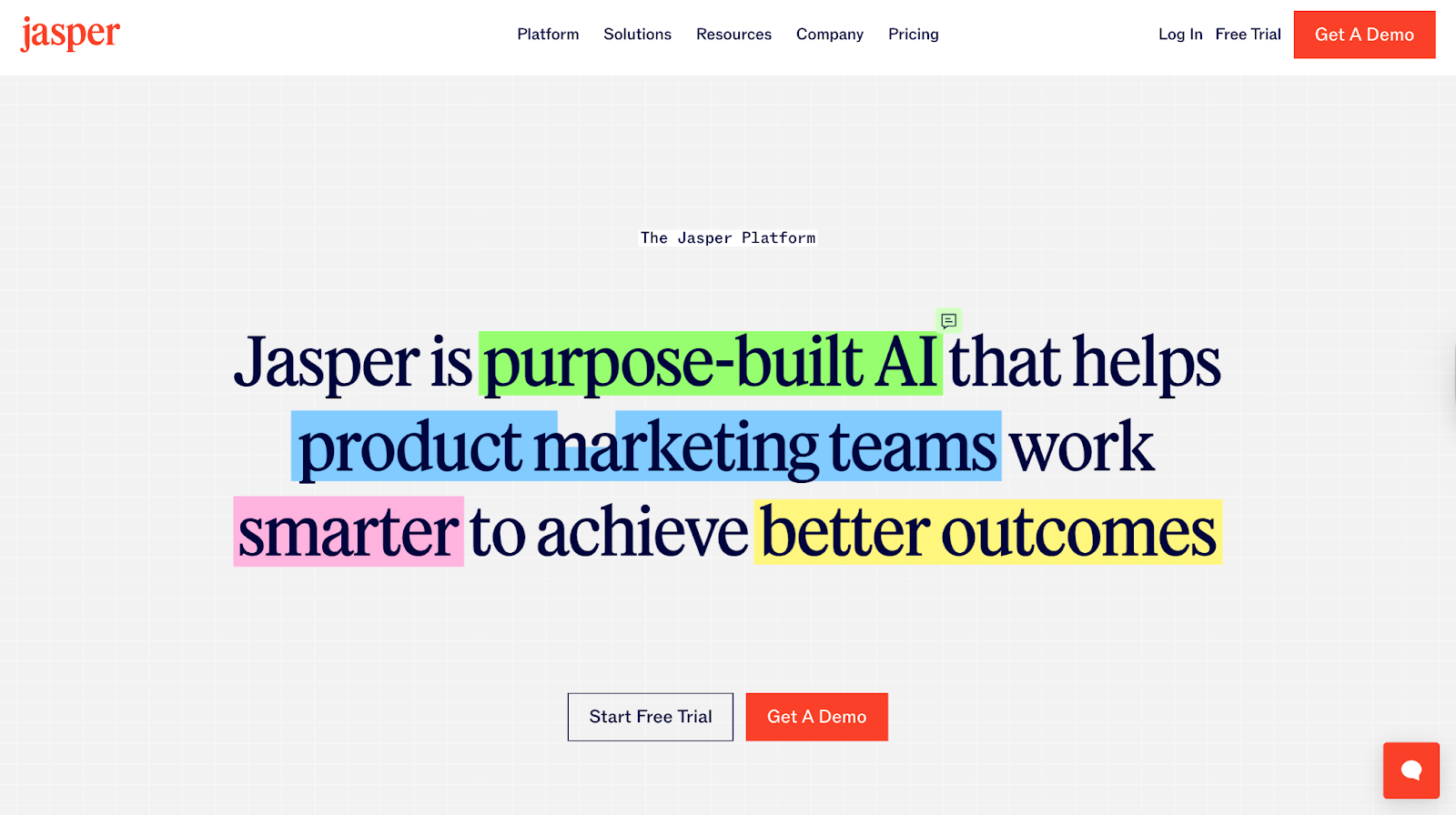
13. Jasper AI (best for long-form marketing content)

Jasper AI specializes in generating blog posts, ad copy, and marketing emails using AI. It’s trained on marketing frameworks and tones, making it a solid choice for brands that want polished, conversion-focused writing at scale.
Pricing: Plans start at $59/month.

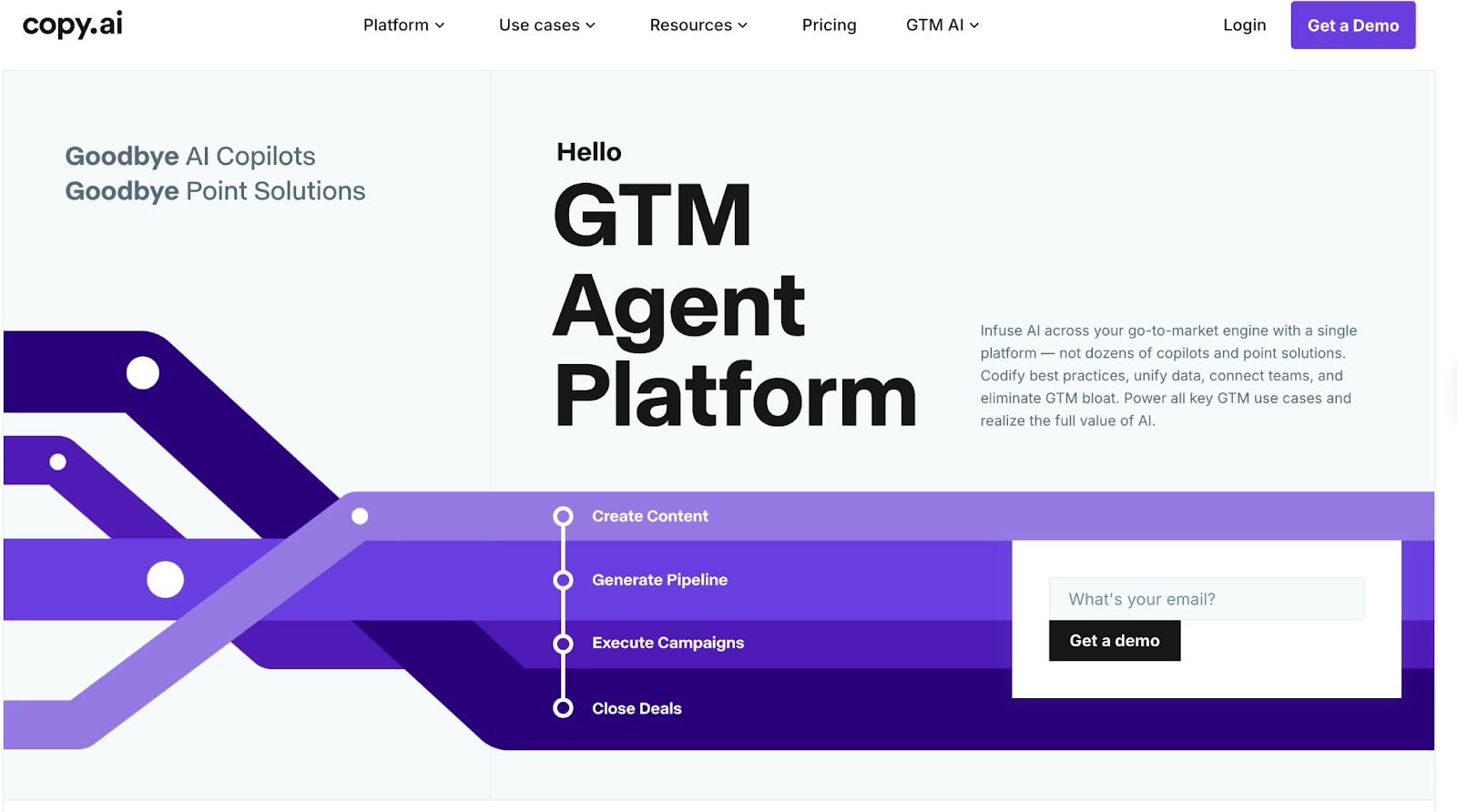
14. Copy.ai (best for quick copywriting)

Design & Creative Tools

Great marketing requires visuals that capture attention, and design tools make it easy for anyone even without design skills to create professional-looking graphics and campaigns.

15. Canva (best for quick, versatile designs)

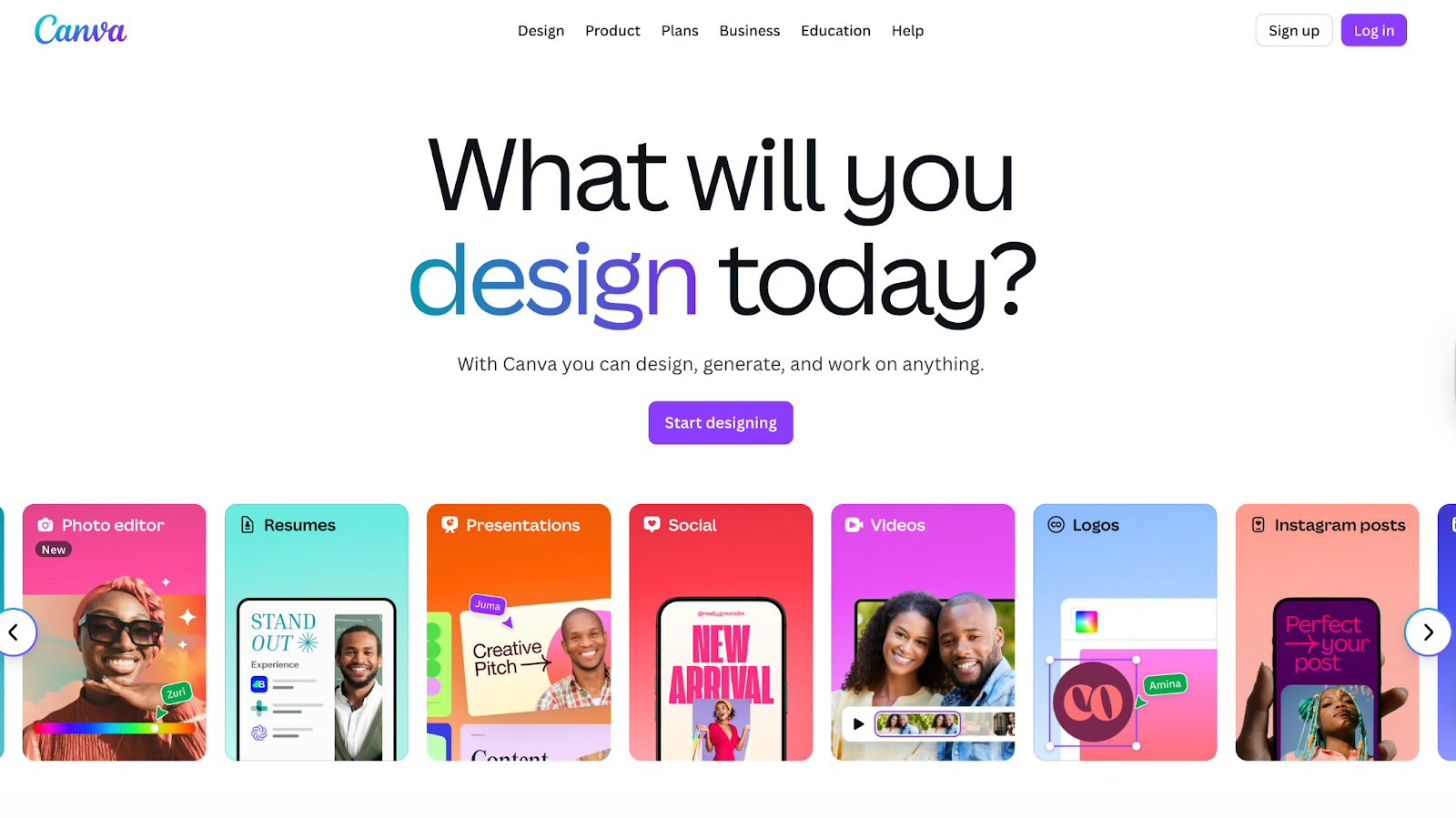
Canva is one of the most popular design tools, offering templates for social media, presentations, ads, and more. It is so beginner-friendly that anyone could work around the already existing templates and create a masterpiece. Its drag-and-drop interface makes it simple for non-designers, and the free version is robust enough for most small business needs.

Pricing: Free plan available; Canva Pro starts at $12.99/month.

16. Figma (best for collaborative design)

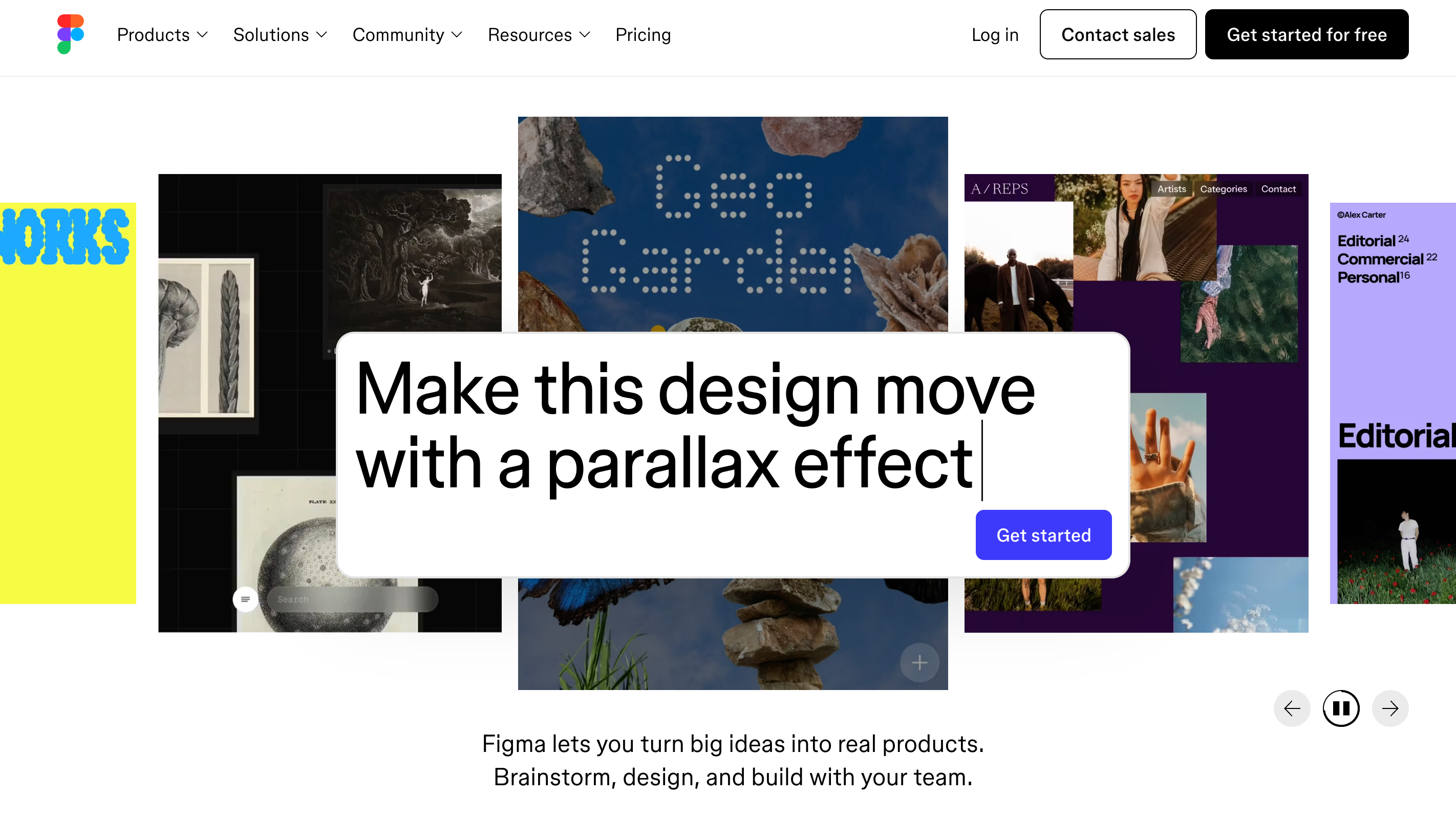
Figma is a design tool built for collaboration. Teams can create, edit, and comment on designs in real time, making it perfect for marketers working with designers or agencies. It’s especially useful for UI/UX projects and campaign mockups.
Pricing: Free plan available; paid plans start at $5/month depending on the collab, dev or dull seat..

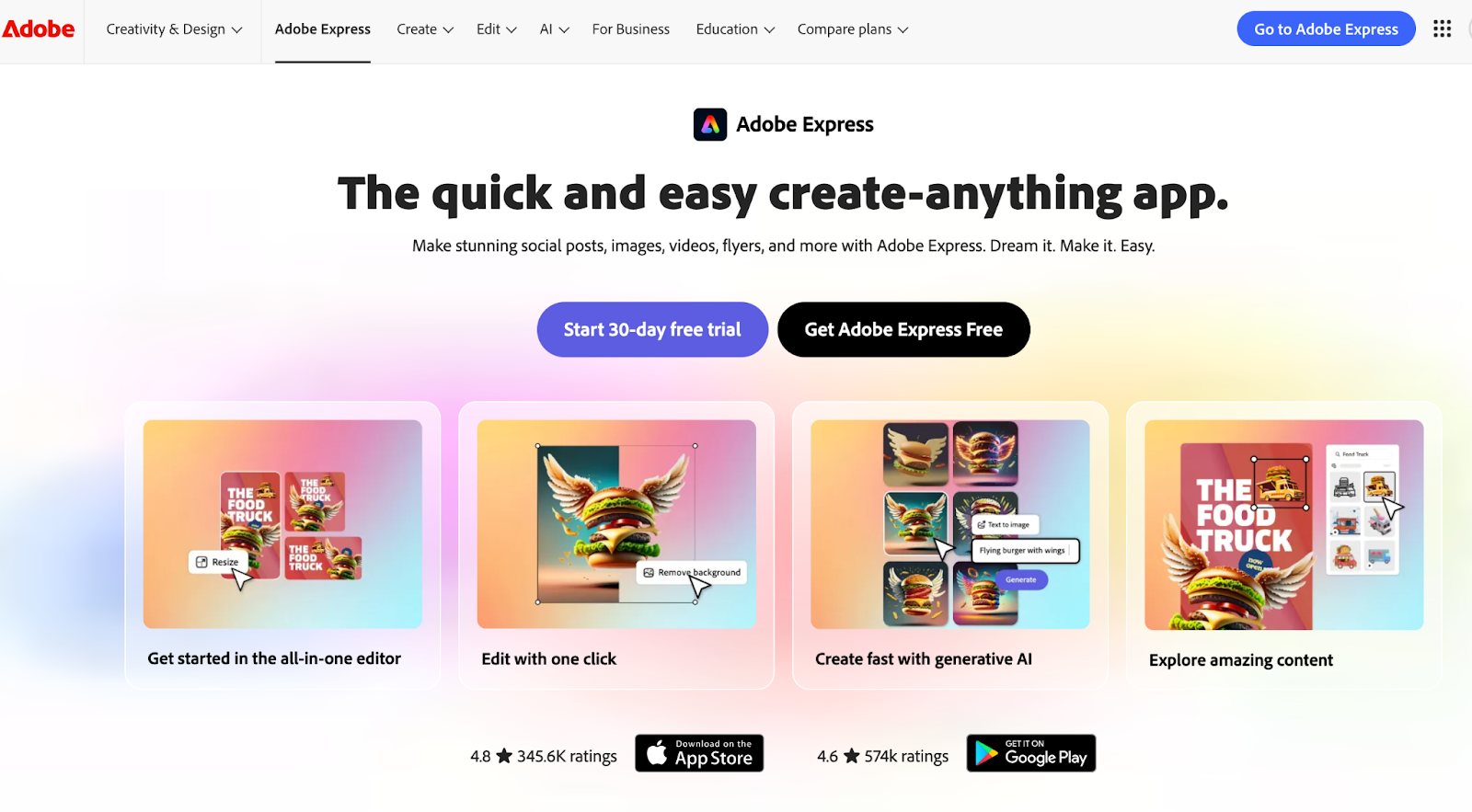
17. Adobe Express (best for professional-grade templates)

Paid Ads & PPC Tools

Running paid ad campaigns requires precise targeting, careful budgeting, and clear tracking to make sure every dollar counts. Paid Ads and PPC tools simplify campaign management, measure ROI, and help businesses reach the right audiences faster.

18. Google Ads (best for search engine campaigns)

Google ads

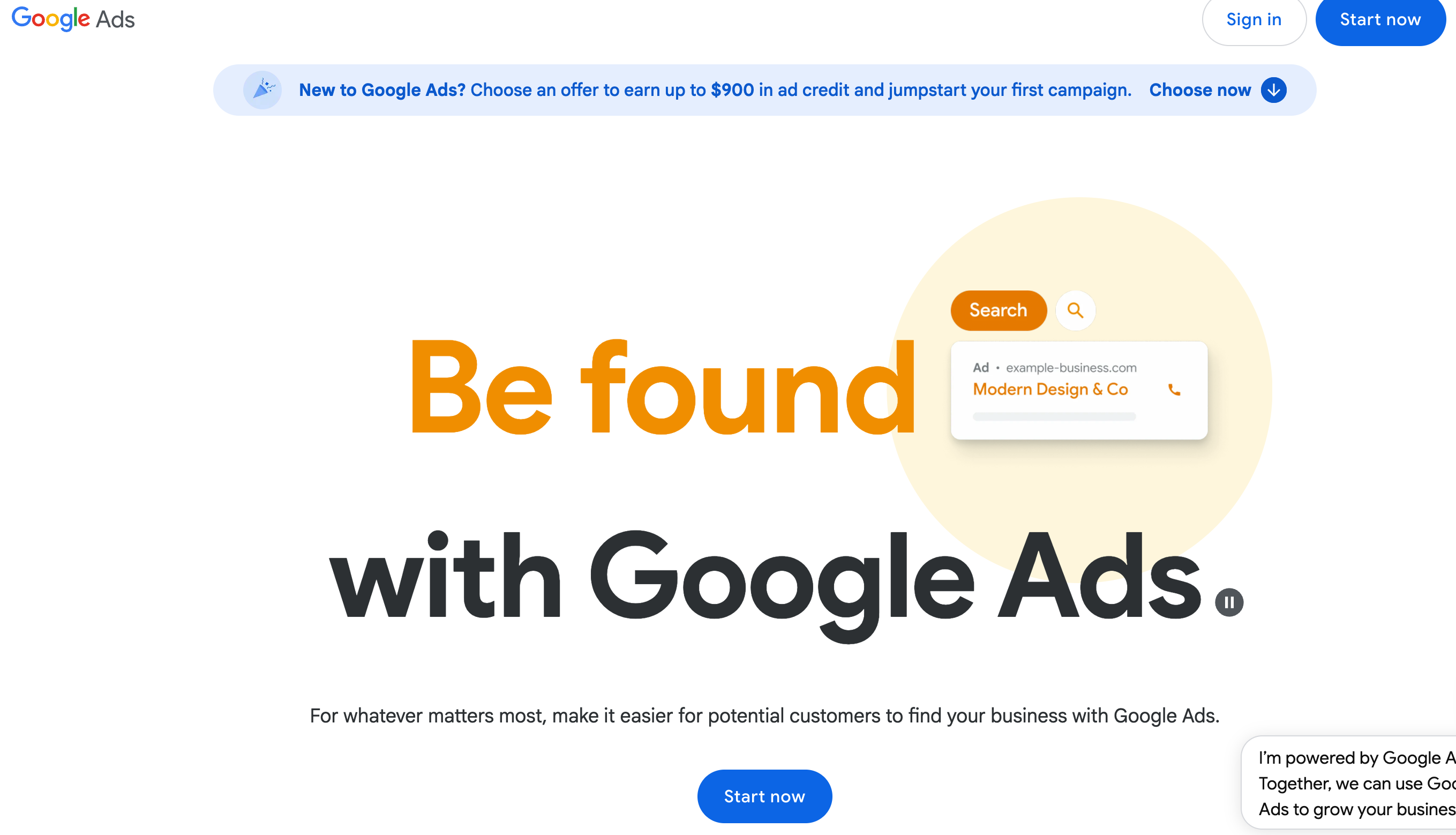
Google Ads is the most widely used platform for pay-per-click advertising. It allows businesses to bid on keywords and display ads at the top of search results, reaching customers at the exact moment they’re searching for solutions. Its strength is intent-driven traffic, though competition for popular keywords can make costs high.
Pricing: Pay-per-click model, no fixed monthly fee.

19. Meta Ads Manager (best for social ad targeting)


Pricing: Flexible budget; pay-per-click or impression.

Collaboration & Project Management Tools

With so many moving parts in digital marketing, project management tools help teams stay organized, collaborate smoothly, and ensure campaigns launch on time.

20. Trello (best for visual task management)

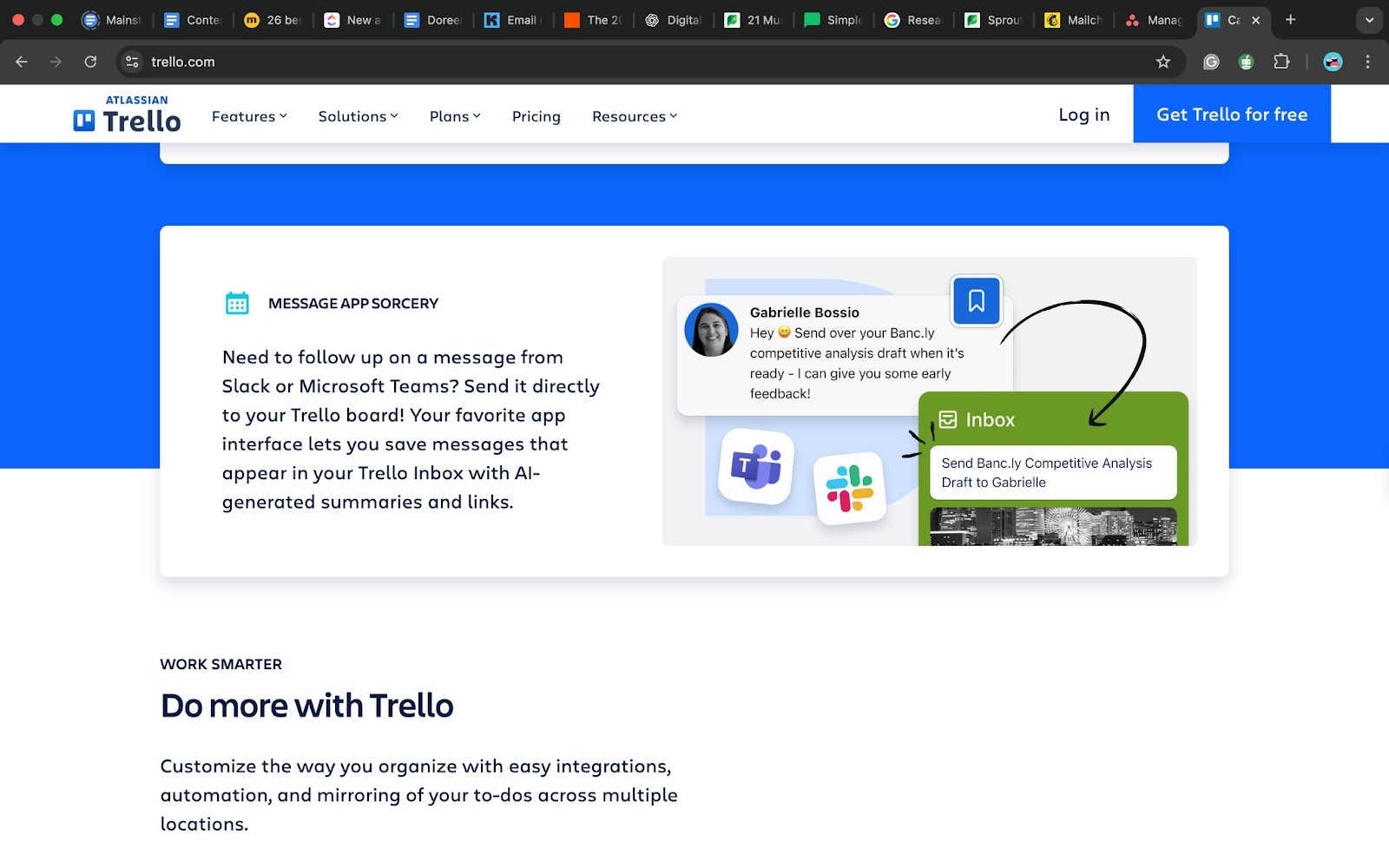
Trello uses boards, lists, and cards to organize tasks in a highly visual way. It’s simple, flexible, and perfect for small teams that want to manage campaigns, brainstorm ideas, or track workflows without overwhelming features.
Pricing: Free plan is available; paid plans start at $5/month per user.

21. Asana (best for structured workflows)

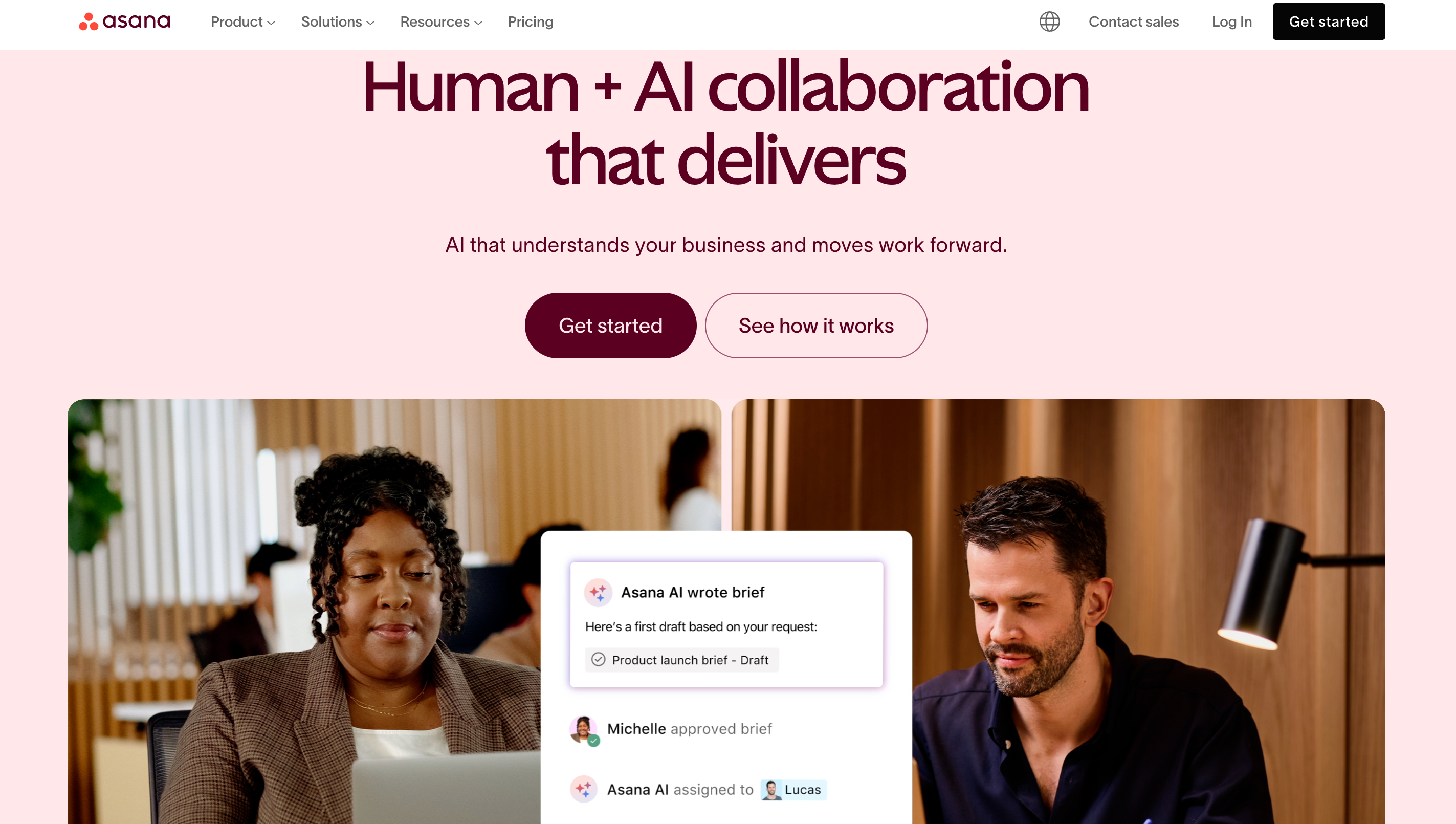
Asana is more than just a to-do list. It’s a collaboration tool that helps teams stay organized and finish big projects on time. You can use it to see how tasks connect (called dependencies), view everything on a clear timeline, and start new projects quickly with ready-made templates. This makes it perfect for marketing or creative teams that handle tons of campaigns and deadlines at once.

Asana integrates with more than 200 applications, including Google Workspace, Slack, and Microsoft Teams, eliminating the need to switch between different programs. 

You can add custom fields to track what matters most to your team, and use workload tools to see who’s busy and who has time to help. Automation saves time by handling small, repetitive jobs automatically. Plus, Asana now includes smart AI helpers that can spot delays, suggest next steps, and keep projects running smoothly.


Pricing: Free plan available; paid plans start at $10.99/month per user.

Tips to Get the Most Out of Marketing Tools

Using digital marketing tools effectively goes beyond just signing up. To maximize results, review analytics regularly and adjust strategies based on real data. Automate repetitive tasks like emails, scheduling, and reporting to free up more time for creativity and strategy. 

Combine tools for a full stack. For example, you can pair analytics with email automation or project management with social scheduling to create a more powerful marketing system.

At the end of the day, marketing tools are there to make life easier, not harder. Start small; choose two or three that address your biggest needs, like audience growth, time savings, or better content, and expand as you grow.

Looking for an all-in-one digital marketing solution built for creators? Mainstack lets you host digital products, track analytics, and manage engagement, all from one simple dashboard.

Business
How to Join the Mainstack Affiliate Program
Learn how to join Mainstack's affiliate program in minutes. Step-by-step guide covering requirements, application process, approval tips, and how to earn
Mainstack Editorial Team
November 20, 2025
10 min read
Read more
Button ArrowButton Arrow

Every day, people are monetising at scale and generating revenue globally- not because they launched a business, but because they started sharing links. While you’re still planning your next move, others are already earning from products that aren’t even theirs.

The window is wide open right now. The first set of affiliates is getting in early, securing the audience, and grabbing attention that’ll look unreal in a few weeks. You can either watch the numbers grow or be the one getting paid from them.

You already know how powerful Mainstack is - now imagine earning every time someone buys from it. No products to create. No barriers. Just your voice, your reach, and a link that makes you money.

Here’s how to start:

Step 1

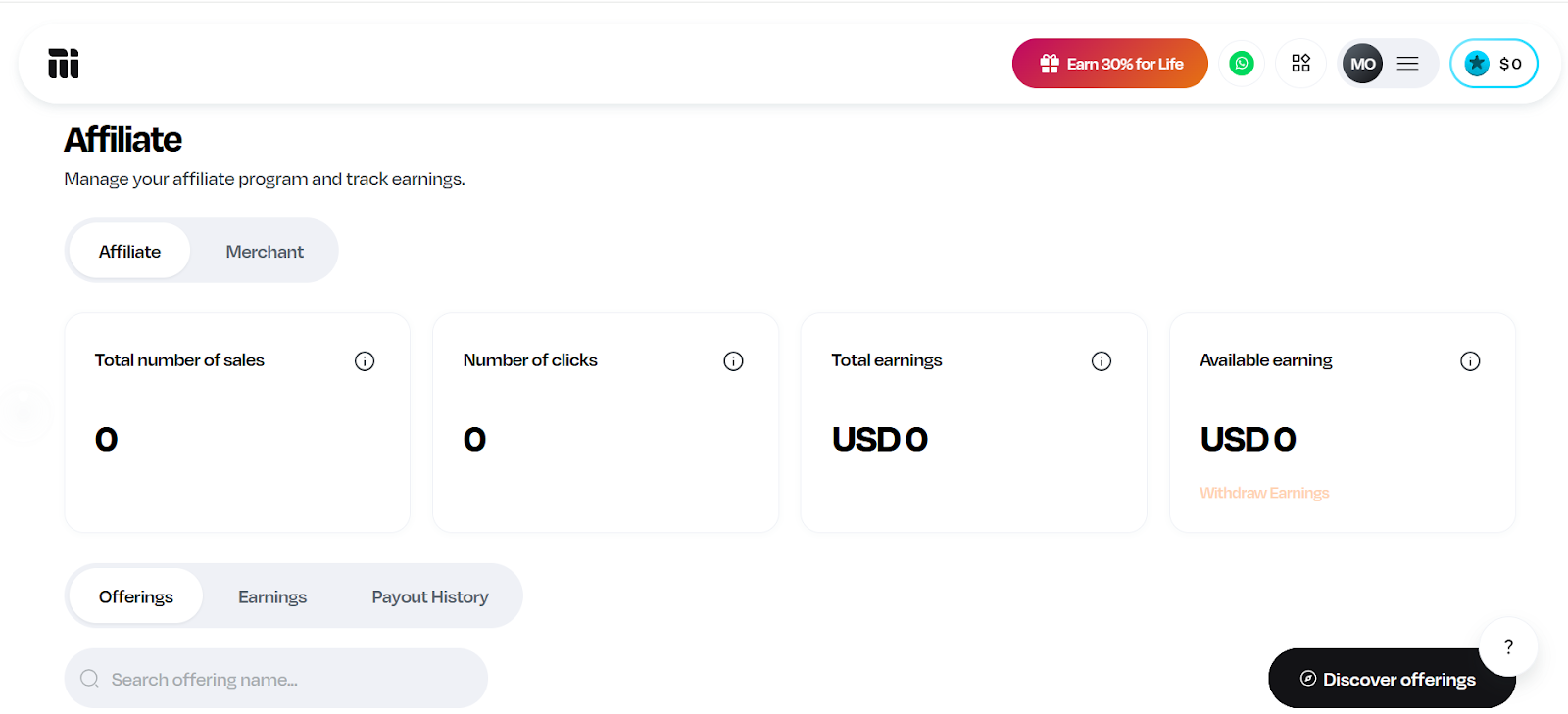
From your Mainstack dashboard, click your display picture and select Affiliate Program.

Step 2

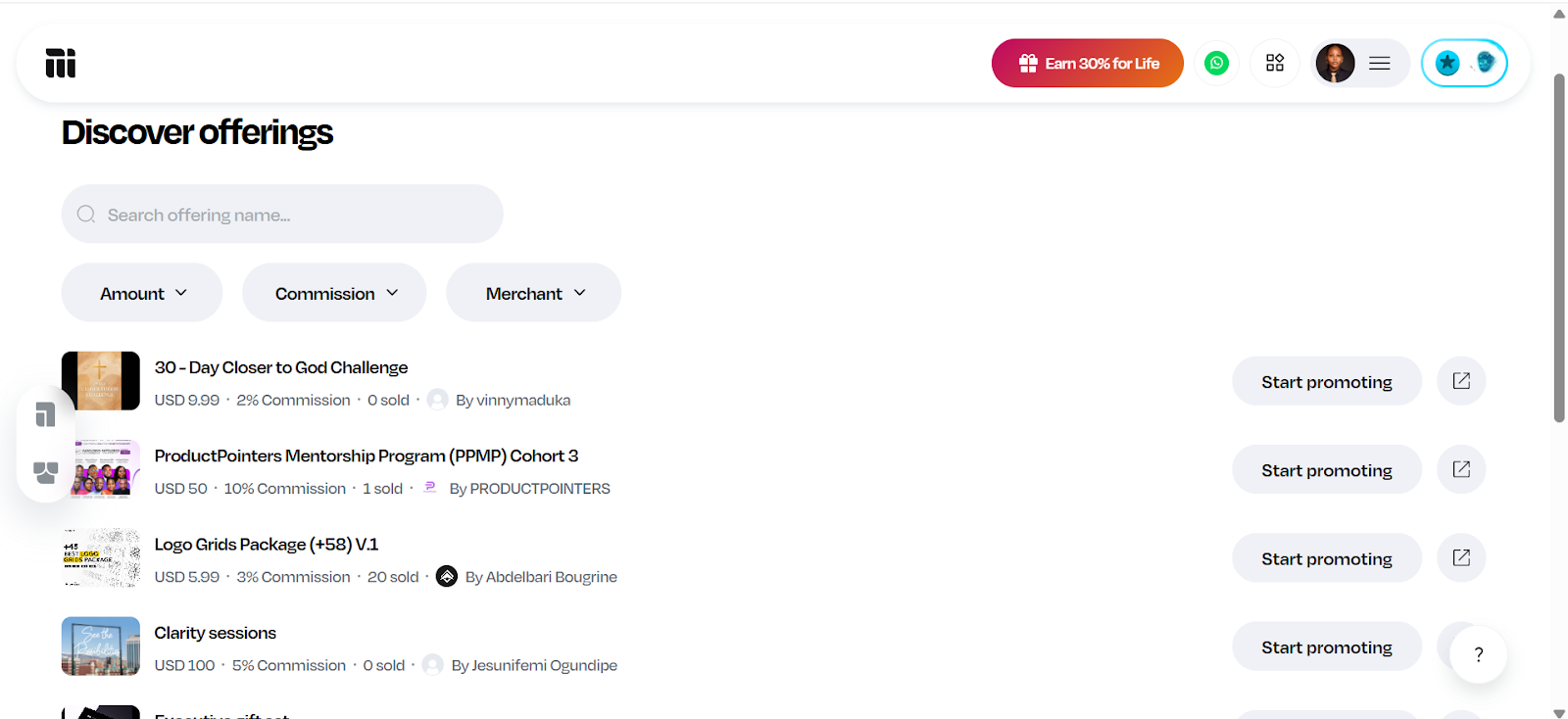
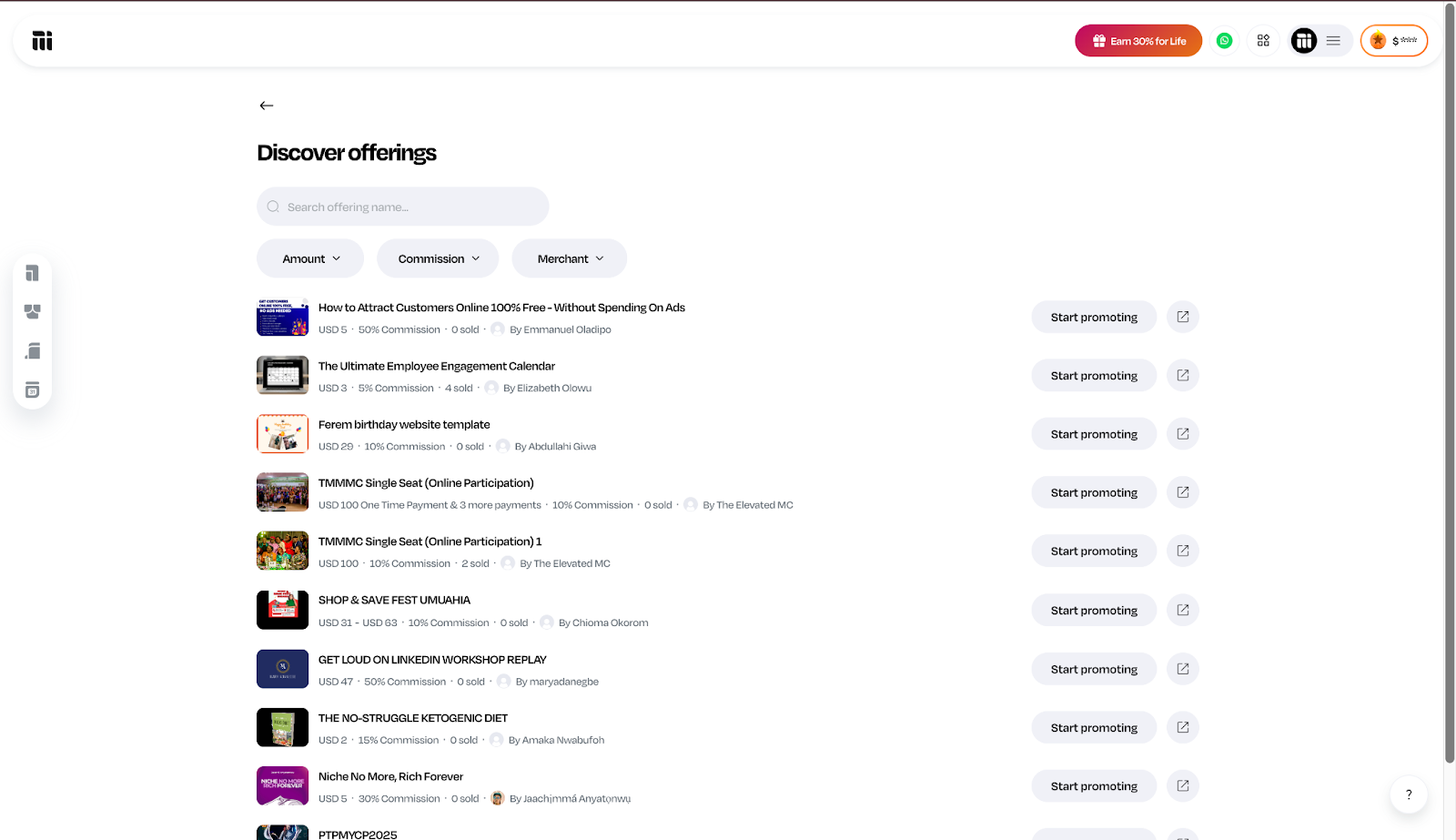
On the affiliate dashboard, click the “Discover Offerings” button. You’ll see a list of products from different merchants that you can promote to earn commissions. 


Step 3

Browse through the available products. You can filter them by amount, commission rate, or merchant.

Step 4

Once you find a product you’d like to promote, click on it to view more details and walk through its offer page.

Step 5

Choose an offer and click ‘become an affiliate’ which gives you access to share your unique affiliate link.

From the moment a sale comes through, you earn. Mainstack pays you directly - fast, clean, and in your preferred method. 

While others are waiting to “start earning online,” you could already be collecting.
The only thing between you and your next payout is a few clicks.

GET STARTED HERE