Who Is a Digital Creator? (And How to Make Money as One)
Picture this: you're deep in a YouTube rabbit hole watching someone talk about a niche you didn't even know existed, and halfway through you notice the comments are full of people asking where to buy their course.
And then it hits you: that person is getting paid for this. Not just a little. Sometimes life-changingly well. This, among other things, represents the opportunity being a digital creator presents. But, who exactly is a digital creator, and more importantly, could you be one?
Let’s find out.
What is a Digital Creator?
A digital creator is someone who produces and distributes value-driven content or products in digital form (and builds a business around it). That could mean writing, stock photos/video, design assets, code, photography presets, or any asset that translates into something people want to consume, use, or learn from online.
Are Digital Creators and Influencers the Same Thing?
A creator owns their asset while influencers often sell access to their audience.
An influencer's value is tied to their audience size and the attention they command. A brand pays them to post, the post goes up, the deal ends, and the influencer's income resets. There's nothing inherently wrong with that model, but it's fundamentally a transaction. The moment the follower count dips or a platform algorithm shifts, their leverage shifts with it.
A creator's value lives in what they've built — the ebook that keeps selling months after it was created, the course someone discovers a year after it launched, the newsletter list that nobody can take away from them. One model is built on visibility, the other is built on value.
It’s important to note that these two categories aren't mutually exclusive. A digital creator can have a huge following and work as an influencer for brands, in the same way that an influencer can build a digital product and start generating passive income.
This is why you don't need a massive following to be a successful digital creator. All you need is something worth buying and an audience that trusts you, even if that audience starts small.
What Are the Different Types of Digital Creators?
"Digital creator" is a wide umbrella. Here's how to think about the main categories and where you might naturally fit.
1. Content-Led Creators
These are the bloggers, YouTubers, podcasters, and newsletter writers whose primary output is content and whose audience grows around it. Think of a finance blogger who monetizes through sponsorships and a paid newsletter — or a tech podcaster earning through ads and an exclusive listener community. The content is the product, and everything else grows around that. The best example of this is probably Wisdom Kaye. He never sold digital products; all he did was show up on TikTok in incredibly styled outfits for long enough that the sponsorships and brand deals became inevitable.
2. Product-Led Creators
These creators build and sell digital products — ebooks, templates, Lightroom presets, music beats, fonts, spreadsheets, UI kits. They create products once and sell them repeatedly, making this a business with low overhead, which is infinitely scalable, and completely owned by the person who made it.
3. Knowledge and Service-Led Creators
These are the coaches, course creators, consultants, and community builders. They monetize expertise directly through online courses, paid workshops, one-on-one coaching, or membership communities. They are knowledge-based creators turning what they know into something people pay for. Alex Hormozi, for example, has built an empire around teaching people what it takes to establish a successful business.
How Do Digital Creators Make Money?
One of the biggest advantages of being a digital creator is that your income doesn't have to come from a single source. Unlike a traditional job where your earnings are tied to one employer, creators can stack multiple revenue streams on top of each other, each one building on the last.
Here are the main ways digital creators make money.
1. Selling Digital Products
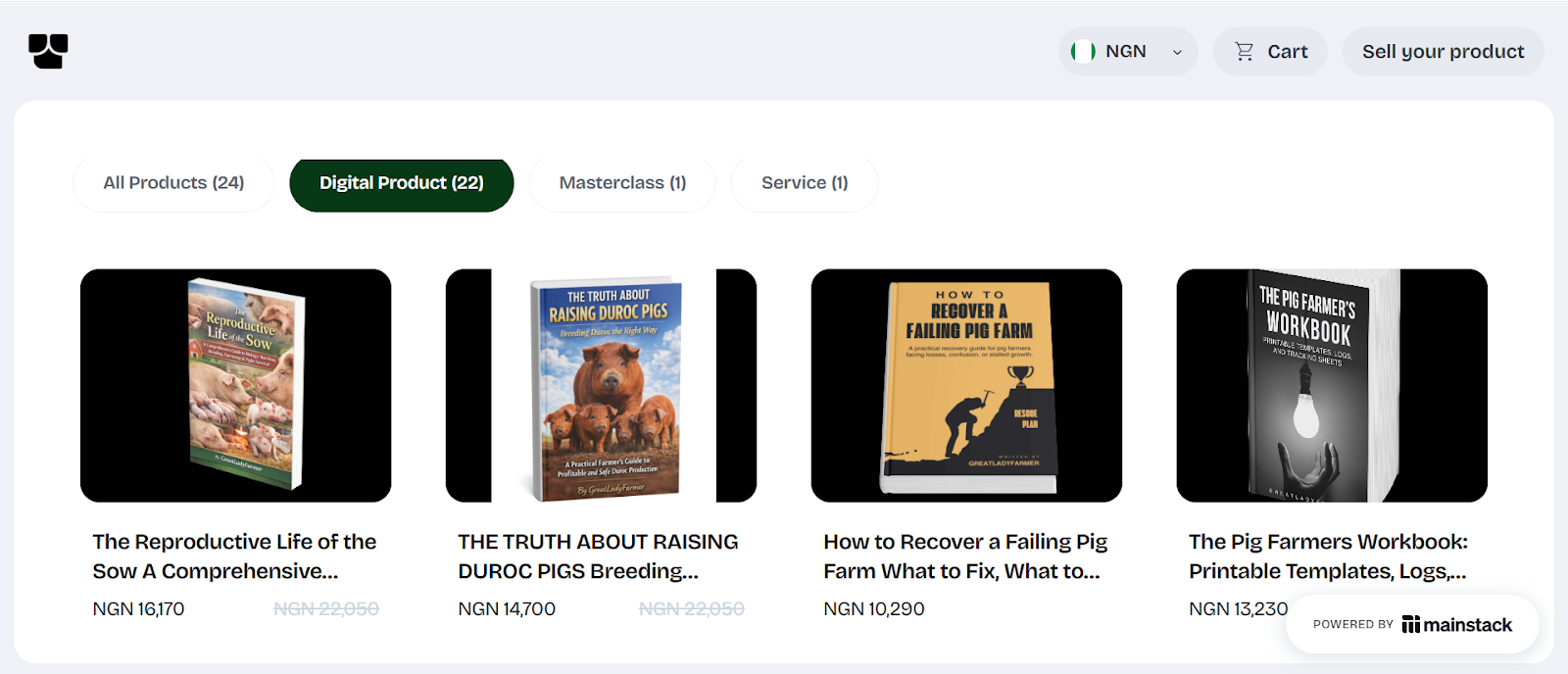
Ebooks, templates, presets, courses, music, digital art, software tools — products you create once and sell repeatedly. This is arguably the most scalable income stream available to creators because there's no inventory, no shipping, and no ceiling on how many units you can sell. A well-positioned digital product can generate income while you sleep, travel, or work on your next project, and with a platform like Mainstack, your digital product storefront can be live and selling in a matter of hours."
2. Brand Partnerships and Sponsorships
Brands pay creators to showcase their products to engaged, niche audiences — and the market for this is bigger than most people realize. You don't need millions of followers to access it either. Micro-creators with audiences between 10,000 and 100,000 followers are increasingly attractive to brands because of their higher engagement rates and specific audience demographics. If your audience trusts you, brands will pay to reach them.
3. Memberships and Subscriptions
This product model enables you build reliable monthly income by offering exclusive content, community access, or premium resources to paying members. Even a few hundred paying members at a modest monthly price can create life-changing income stability.
4. Paid Newsletters and Exclusive Content
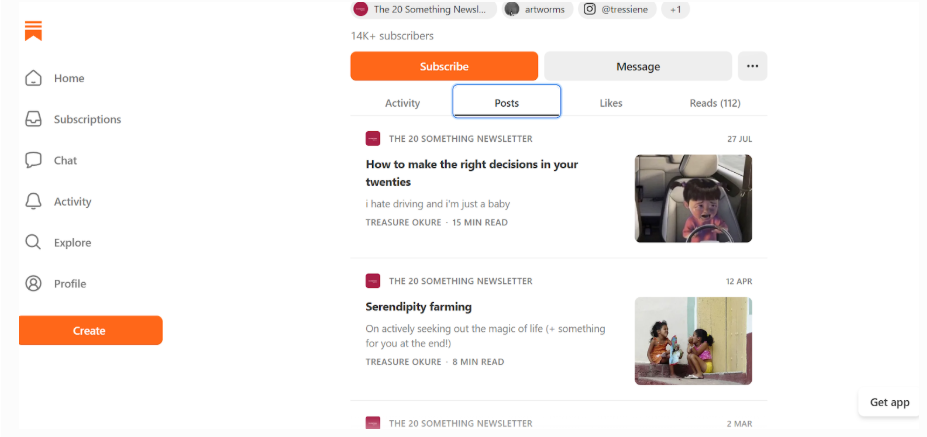
An email list is one of the most powerful monetization channels available to creators, and also one of the most underrated. Unlike social media, your email list is yours. No algorithm can throttle your reach, and no platform can suspend your access to your audience. A paid newsletter with even 500 dedicated subscribers at a modest monthly price can generate meaningful recurring revenue, which only compounds as your list grows.
5. Affiliate Marketing
Affiliate marketing is one of the quieter income streams in a creator's toolkit, but it's consistent. All you need to do is, sign up on affiliate platforms like Mainstack’s, browse the affiliate marketplace, recommend products you know your audience will find useful, and earn a commission every time someone makes a purchase through your link.
It's not a primary income stream for most creators, but a layer on top of everything else.
6. Coaching, Consulting, and Done-For-You Services
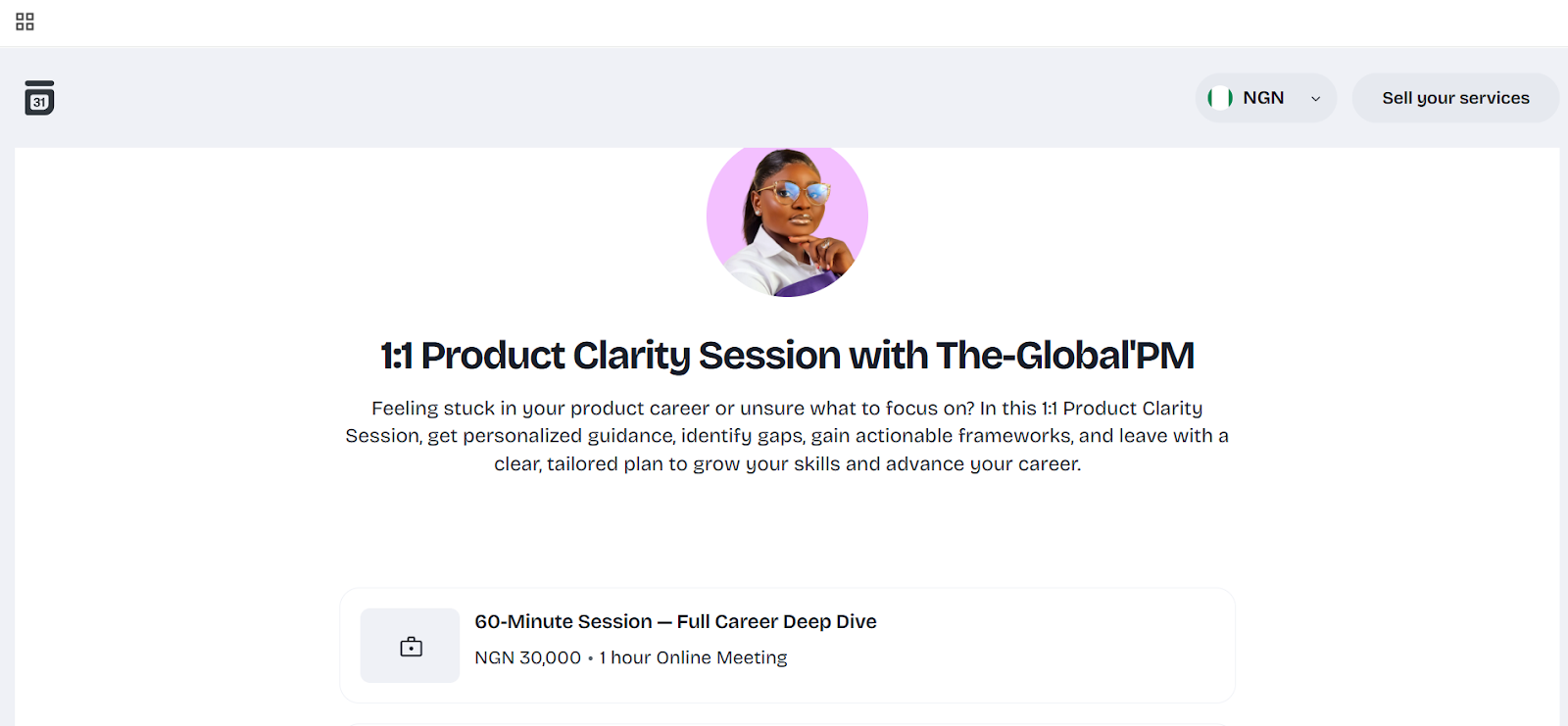
There's a growing market for expertise that doesn't fit into traditional education. People are willing to pay for direct access to knowledge. So, if you've developed genuine expertise in your niche, there are people out there willing to pay for direct access to it, and you can utilize Mainstack's hosted courses and bookings features to set up your first paid session or host a course without having to stitch five different tools together.
How to Become a Digital Creator — A Practical Starting Guide
Pick a niche: Find the overlap between what you know, what you enjoy, and what people are actively searching for help with.
Choose a primary platform: Focus on one to two platforms to avoid spreading yourself too thin.
Define your content format: This is how you'll deliver every idea, lesson, or piece of content you put out, so choose a format that comes most naturally to you.
Build a system for consistency: Batch create your content, keep a content bank you can always turn to for ideas, and set a posting schedule you won’t find hard to maintain.
Set up your creator home base: Create a central hub to host your products/offers. Preferably on a platform like Mainstack, where your products are made accessible to your audience, and they can pay you directly.
Launch your first monetized offering: Start with one product, and build from there.
Track, Analyze, and Optimize Your Sales Strategy: Take note of the content pieces that drive the most engagement, your top-selling products, and the part of your sales funnel with the highest drop-off rate. These patterns show you the parts of your sales strategy that need to be reworked.
Your Creator Journey Starts Now
Becoming a creator is a viable career path in today’s digital economy. Whether through digital product creation, brand partnerships, or affiliate product sales, creators have countless opportunities to turn creativity into income.
The key lies in consistency, authenticity, and adaptability: a carefully chosen niche, consistently published content, and a simple offer tied to a real problem is enough to generate recurring revenue.
If you’re ready to share your voice with the world, the digital space offers endless possibilities to grow, connect, and thrive.
Ready to start earning as a digital creator? Set up your Mainstack storefront, launch your first offer, and start turning your skills into income today.
Sources
mainstack.com